
- By Kamakshi Bishnoi
- Fri, 10 Apr 2026 08:06 PM (IST)
- Source:JND
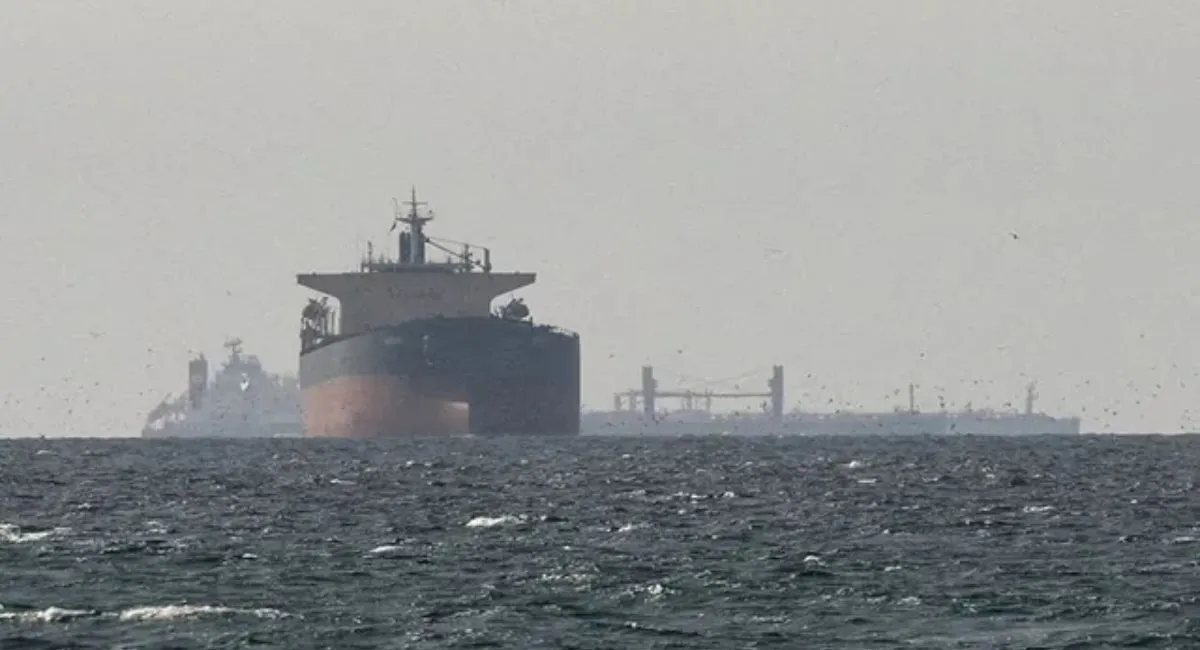
Due to increasing tensions in the Middle East, significant operational changes have been made in the Strait of Hormuz, which is one of the most important maritime corridors in the world. Reports indicate that new procedures for vessels transiting the Strait will include controlled vessel movement, alternate routing for vessel transit and may include introducing crypto-based tolls for vessels transiting the Strait.
Ships Will Be Limited in Movement
The Strait of Hormuz remains largely closed due to tensions in Lebanon. According to the Tasnim news agency, the Iranian Revolutionary Guard has issued a new maritime map for ships to avoid landmines laid in the waterway. It also said that only a maximum of 15 ships will be allowed to pass through Hormuz daily during the ceasefire.
While about 140 ships passed through daily before the war, only one oil tanker and six cargo ships, including an Indian ship, passed through in the first 24 hours of the ceasefire. Iran's Deputy Foreign Minister Saeed Katibzadeh said that shipping through Hormuz would return to normal in accordance with international rules only after the US aggression ends and Israeli attacks on Lebanon stop.
According to the Associated Press, Ghalibaf said that the US president had considered Iran's 10-point proposal as a basis for negotiations, but its conditions were broken before the talks even began. According to him, the first condition was a ceasefire in Lebanon, and the second was non-violation of Iranian airspace, while a drone had intruded over the city of Lar in Fars province and was shot down.
The third condition was recognition of Iran's right to enrich uranium, which the US now denies. He said that the basis on which negotiations were to take place has been broken, so a bilateral ceasefire or talks are no longer tenable.
What Has Changed in Hormuz?
Heightened tensions between Iran and Western nations have led to stricter security protocols in the Strait:
- Ship movements are now tightly controlled and monitored
- Vessels are increasingly travelling in scheduled convoys
- Shipping companies are using alternative routes to bypass high-risk zones
One of the most significant changes is that some of the tolls charged to ships are being paid in digital currencies (such as Bitcoin) instead of cash. Some digital payments are being used to circumvent the traditional banking system while assisting in facilitating international trade transactions, adding another layer of complexity to international trade.
The Strait of Hormuz is vital to global energy supply:
- Nearly 20 per cent of the world’s oil passes through it
- It is a key route for energy exports to Asia, Europe, and the Americas
- Any disruption can significantly impact global oil prices
The new restrictions have had a ripple effect:
- Shipping costs and risks have risen
- Insurance premiums have increased
- Many companies are opting for longer, safer routes
- Global oil markets remain under pressure
Global Responses
Concerns raised by the US and its partners are based on whether these actions are in violation of maritime law and how they could affect the worldwide supply chain. On the other hand, Iran argues that these actions are necessary to protect its sovereignty and security interests.
Analysts warn that if tensions continue:
- The global energy crisis could spread
- Global economic pressures may increase
- The Strait could become an ongoing high-risk area
ALSO READ: Ukraine President Zelenskyy Confirms Downing Iran's Shahed Drones Before Ceasefire In Middle East
Meanwhile, in a new development late last night, Israel also accepted Lebanon's offer for talks. This appears to be accelerating efforts to restore peace in West Asia. Before the upcoming peace talks in Islamabad, US President Donald Trump had asked Israeli Prime Minister Benjamin Netanyahu to halt attacks on Lebanon. Iran had made it clear that no agreement could be reached without Lebanon's involvement and, for this reason, closed the Strait of Hormuz.
According to the New York Times, amid growing global pressure, Trump also advised Netanyahu to reduce attacks in Lebanon. According to the report, Trump spoke to Netanyahu over the phone and said that reducing attacks in Lebanon is essential to making the ongoing talks with Iran successful. Netanyahu then directed his cabinet to begin direct talks with Lebanon as soon as possible. A statement issued by his office said that this decision was taken after Lebanon had repeatedly demanded talks.