
- By Ajeet Kumar
- Wed, 29 Jul 2026 03:40 PM (IST)
- Source:JND
- Thousands in Hong Kong live in tiny "coffin homes."
- Severe housing inequality affects low-income residents.
- Government plans new laws, boosts public housing supply.
When people hear "Hong Kong," their minds often fill with images of gleaming skyscrapers, luxury high-rise apartments, golf-course villas, and branded waterfront residences. Yet this glittering facade hides a starkly different reality for thousands of the city’s poorest residents, some of the most vulnerable people living in one of the world’s most expensive cities.
Hong Kong's "Coffin Houses"
— Ajeet Kumar (@Ajeet1994) July 29, 2026
Video: Reuters pic.twitter.com/MsS1odpdM9
According to a report by The Guardian, in a single subdivided apartment of roughly 46 square metres (about 500 sq ft), as many as 30 people sleep in purpose-built plywood bunk beds, each fitted with its own sliding door. These cramped compartments are colloquially known as “coffin homes.” Two rows of 16 bunks line the space, leaving room for even more occupants.
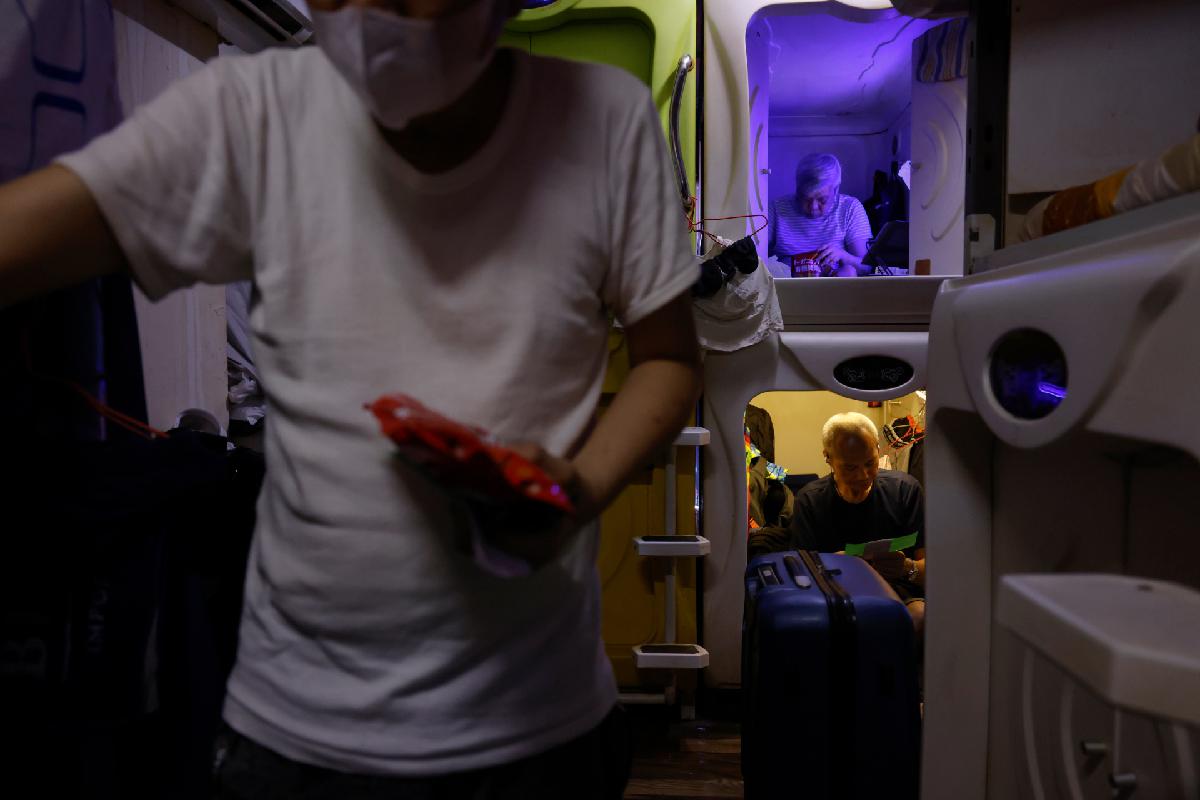
(Residents live in "coffin" homes, with each compartment measuring approximately three feet by six feet, in Hong Kong | CREDIT: REUTERS)
Shockingly, each resident is confined to roughly 1.4 square metres (around 15 square feet) — an area that five average-sized adults could barely cover while standing shoulder to shoulder. In this claustrophobic environment, couples share a single bunk with quiet resignation. Charging stations hang from wooden boxes above their heads. Cigarettes, lighters, and other daily essentials sit within arm’s reach as exhausted residents try to unwind after long days of work.
Who resides in Hong Kong Coffin Houses?
These tiny wooden pods, barely large enough to sit up in, represent one of the most extreme manifestations of Hong Kong’s severe housing inequality. Despite the city’s wealth, many low-income workers, elderly residents, and others struggling on the margins have few better options.
ALSO READ: Not India Or The US; This Country Has The Most Expensive Petrol At Rs 380+ Per Litre
"It’s very stuffy. One or two fans aren’t enough. It’s unbearable. The air doesn’t circulate to the outside, and I can’t open the windows because if I do, rats come in since it’s right next to the drain," Kwok Kwai, 65, told Reuters.
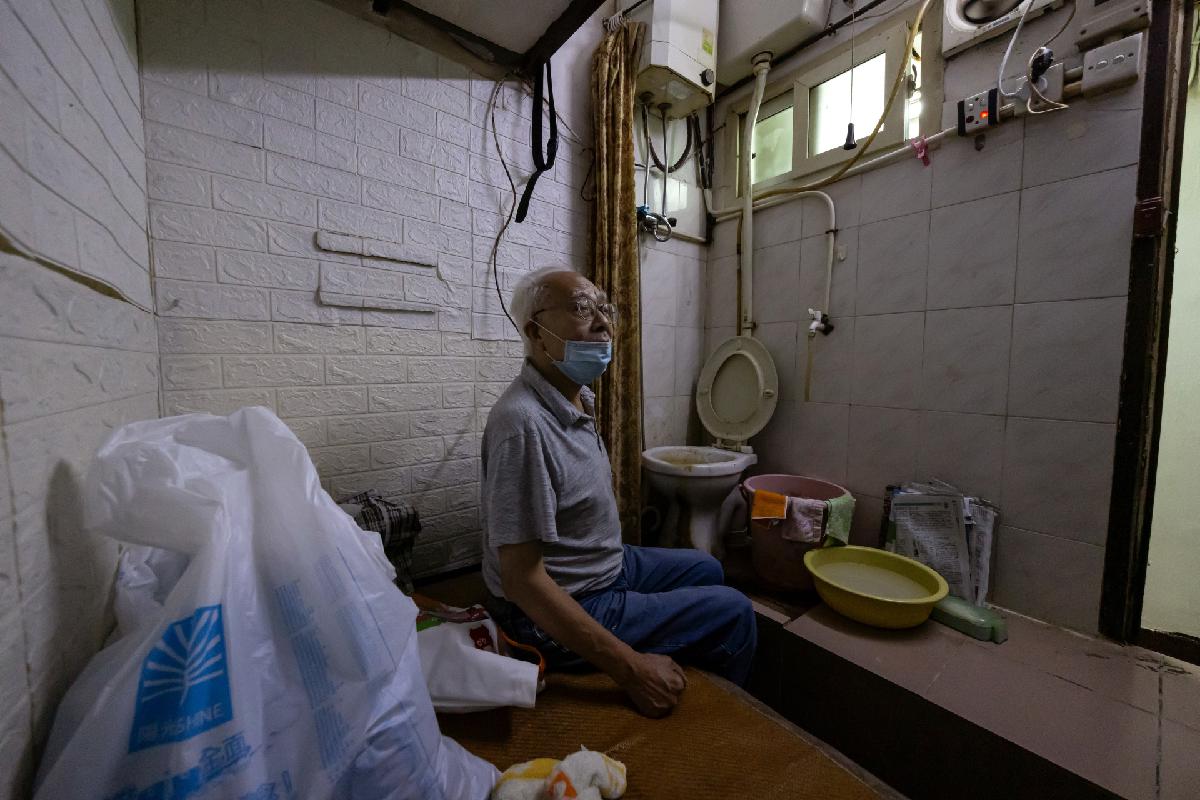
The report underscores that the majority of them who reside in such coffin houses are retirees, working poor, drug addicts and people with mental illnesses, mostly those unable to keep pace with the spiralling cost of housing in Hong Kong.
“It’s so small here; it’s really inconvenient to live in,” said retired 60-year-old Xiao Bo, who told news agency Reuters, eating home-made dumplings off a folding table in a tiny space adorned with pink wallpaper and a rack of colourful tote bags.
“Because the beds are wooden, there are a lot of bedbugs here,” said 80-year-old Leung Kwong Kuen, adding, “Insecticide is useless,” in eradicating them.
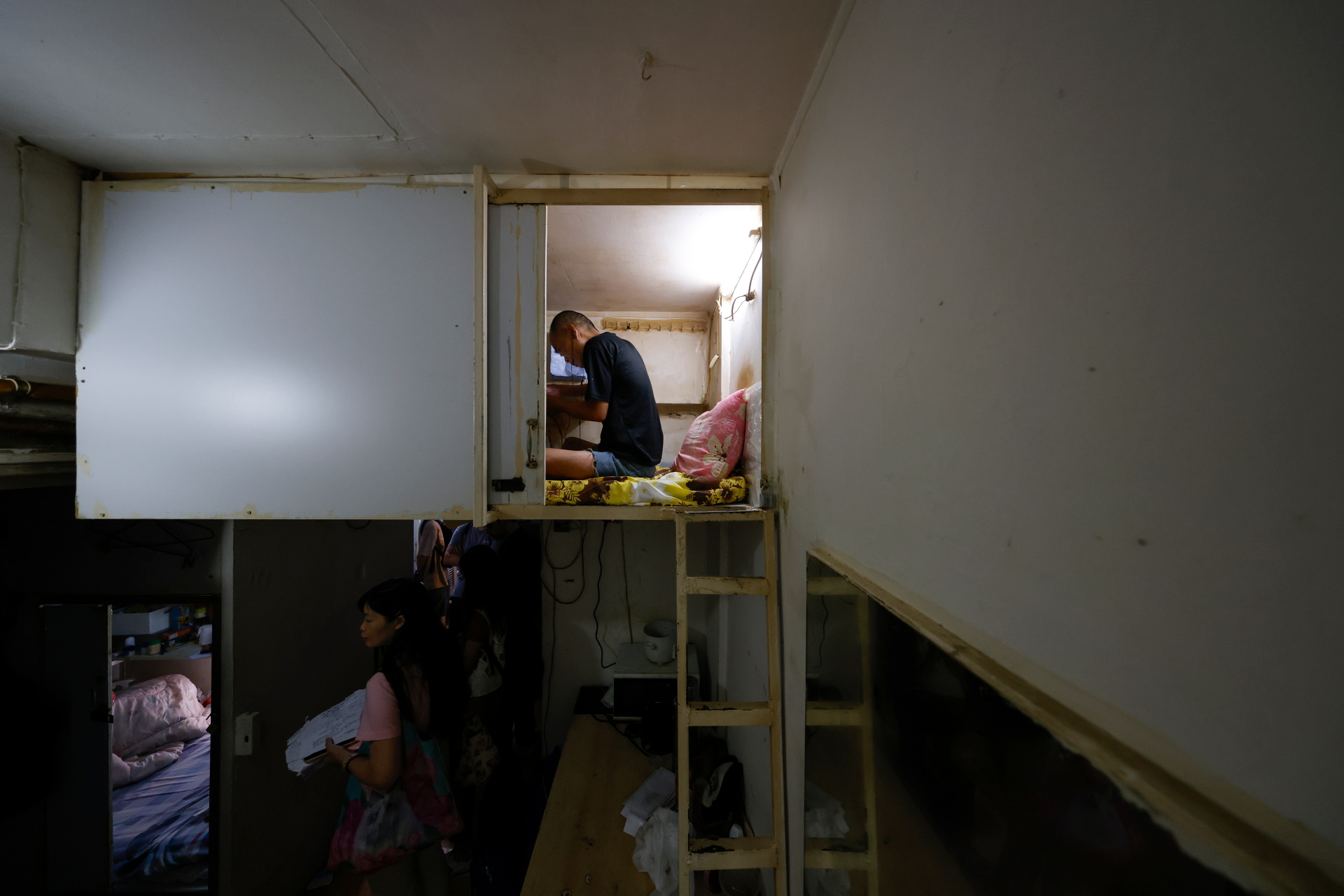
(A resident rests in his upper-level "coffin" home in Hong Kong | CREDIT: REUTERS)
As per the Reuters report, more than 2,00,000 people in Hong Kong live in sub-divided flats like hers, often cloaked in a musty odour and plagued by bedbugs during sweltering summers. The former British colony, ranked as the world's most unaffordable city for a 14th consecutive year by survey company Demographia, has one of the world’s highest rates of inequality.
ALSO READ: Explore Hong Kong's Ancient 'Villain Hitting' Ritual to Banish Bad Luck
High rent
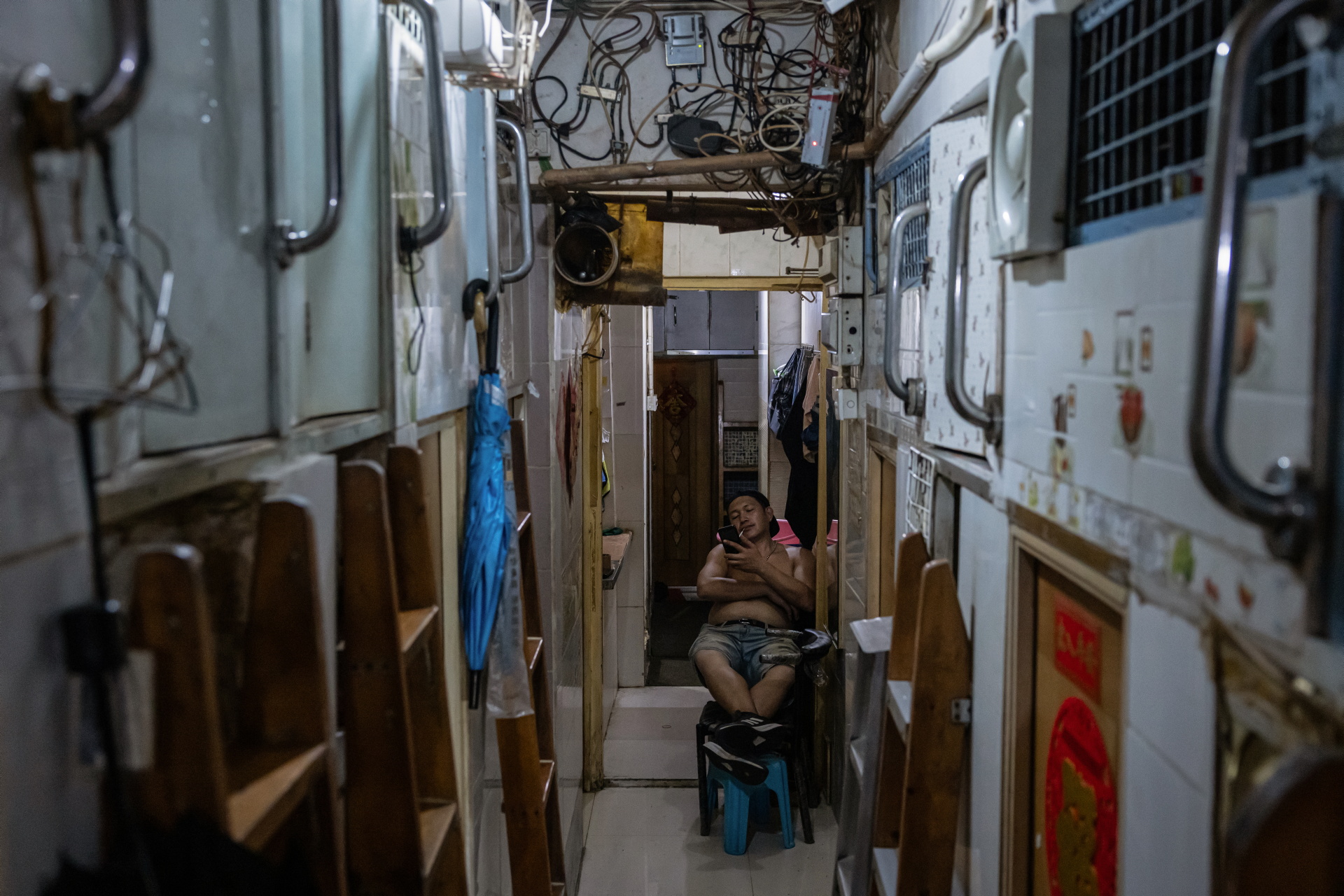
For so-called “coffin” homes, each roughly the size of a single bed, the rate is even higher, at HK$140, exceeding a rate of about HK$35 for private homes. “All I hope for is to quickly get into public housing,” said Wong Chi-kong, 76, who pays HK$2,900 ($370) for a space smaller than 50 sq ft (5 sq m). His toilet sits right beside his bed and under the shower head.
“That’s all I ask for. Amen,” added Wong, who stores all his belongings on the other side of the bed to keep them from getting splashed whenever he takes a shower.
(REUTERS)
Yet some may consider these people to be among the more fortunate, as tens of thousands of so-called “coffin” homes fall outside the scope of the new laws. These windowless spaces are still more cramped, but just big enough, at 15 sq ft (1.4 sq m) to 18 sq ft (1.7 sq m), for people to sleep in and store a few personal items. “The most important thing is having a roof over my head, not worrying about getting sunburnt or rained on,” said Sum, who gave only his last name.
"Shame of Hong Kong"
About 1.4 million of Hong Kong’s population of about 7.5 million live in poverty, with the number of poor households rising to 619,000 in the first quarter of 2024, to account for about 22.7% of the total, says non-profit organisation Oxfam. SoCO called for the new regulations to extend to “coffin” homes. “This kind of bed homes is the shame of Hong Kong,” said its deputy director, Sze Lai-shan.
Hong Kong planning new laws for housing space
In October 2024, Hong Kong vowed to adopt new laws setting minimum space and safety norms for sub-divided flats, where each resident lives in an area of about 65 sq ft (6 sq m) on average, or half the size of the parking space for a sedan. Authorities plan to boost the supply of public housing to shorten waiting times from as much as 5-1/2 years now, saying they have identified more than enough land to build 308,000 public housing units in the next decade.
(With inputs from Reuters)