
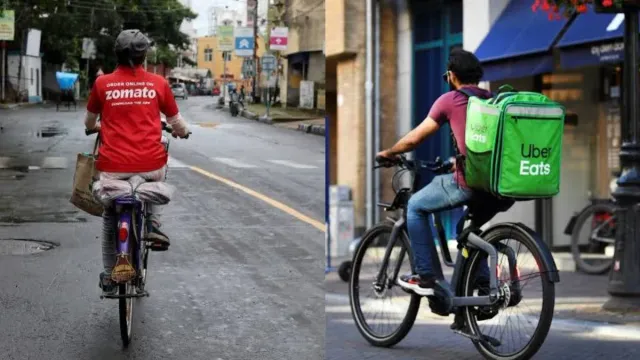
- Australia mandates A$31.30 hourly pay for gig workers.
- Indian gig workers earn average of Rs 138 per hour.
- New Australian standards include mandatory injury insurance coverage.
Gig workers now contribute a significant share of the global economy. Unlike traditional employees, they do not receive a fixed salary; instead, their earnings are tied to individual orders and are typically calculated based on order value and delivery distance. However, growing debates worldwide focus on the adequacy of their compensation and the challenging conditions they face while working long hours in extreme weather, scorching sun, heavy rain, and freezing winters.
In India, a gig worker earns an average of Rs 138 per hour, according to a report published by ET HR World via news agency IANS on July 28 this year.
Australian gig workers to get insurance cover
In contrast, Australia has just approved new minimum standards requiring food and grocery delivery workers to be paid hourly rates above the national minimum wage and covered by injury insurance while on the job, Reuters reported on Tuesday.
Australia mandates $22.11 per hour to gig workers
According to the latest pay standards announced by the Fair Work Commission (FWC), gig workers will be paid at least A$31.30 ($22.11 or nearly Rs 2,100 ) an hour, above Australia's minimum wage of A$26.44, while remaining responsible for maintaining third-party insurance for vehicles used for deliveries.
Recommended For You
As per new provisions, companies will be required to provide "a reasonable minimum level of cover" for personal accident insurance, although the order did not specify a minimum level of coverage. The order takes effect on August 17 and is expected to benefit about 250,000 workers.
ALSO READ: Health Risks, Traffic Violations: Why Govt Asked Swiggy, Zomato To Remove 10-Minute Delivery Claims
Under the order, workers will be paid a minimum hourly rate for "engaged" time, covering the period between accepting a job and completing the delivery.
The order follows the International Labour Organisation's decision in June to adopt the first binding employment standards for gig workers, potentially giving them rights around pay, safety and social benefits. Those standards still require ratification by governments.
The Transport Workers Union (TWU) called FWC's order "a landmark moment for the Australian gig economy." "Gig workers in Australia were left outside of our workplace systems for far too long. From Monday, they will be entitled to an absolute world-leading set of standards that we will build on over time," TWU National Secretary Michael Kaine said in a joint statement with Uber Eats and DoorDash.
Uber Eats and DoorDash, which have been diversifying beyond restaurant deliveries, said the new rules would show that stronger worker protections and the flexibility valued by gig workers can go hand in hand.
Unions and workers have long pushed for reforms covering gig workers, who are typically classified as independent contractors rather than employees and therefore excluded from many workplace protections.
Australia's parliament passed laws in 2023 and 2024 under the centre-left Labour government that gave gig workers greater rights to negotiate minimum pay and conditions. The laws empowered the Fair Work Commission to set standards for pay and insurance.
Indian gig workers still getting an average of Rs 138 hourly
In contrast, the IANS report underscored India’s gig workforce may reach 2.1 crore by 2030, but the conditions exposed by then Aam Aadmi Party leader Raghav Chadha revealed a grim picture. Average earnings stood at Rs 138 per hour for gig workers compared to Rs 54 per hour for comparable formal and informal workers.
As per the Nearly 54 per cent of current gig workers reported they were not in paid employment before joining gig platforms. The analysis, based on a survey of 2,250 gig workers, found that said full‑time gig workers earn up to 2.5 times more than comparable formal and informal roles.
Monthly net earnings varied by sector, with home services workers earning Rs 70,000-80,000, while ride‑hailing drivers earned Rs 37,000-39,000 and delivery workers earned Rs 22,000-23,000 monthly, the report added.
(With inputs from Reuters)