
- By Prateek Levi
- Sat, 02 May 2026 07:11 PM (IST)
- Source:JND
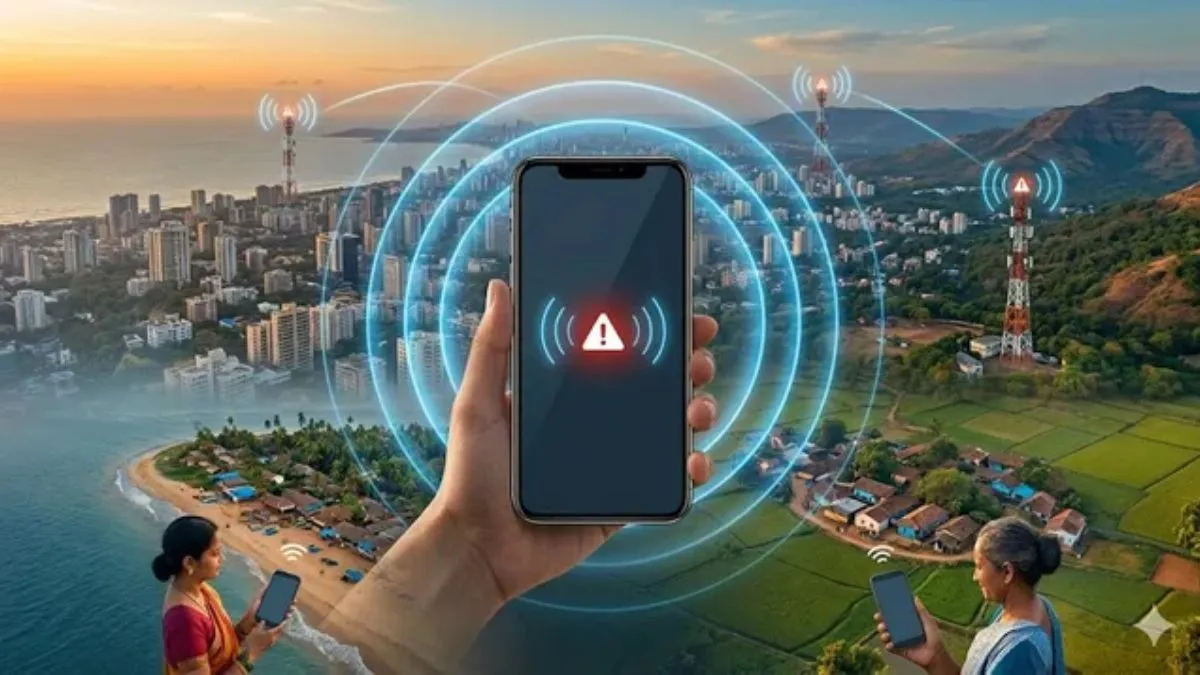
India’s emergency communication system just went through a major real-world test. The National Disaster Management Authority conducted a nationwide trial of its Cell Broadcast Alert System on May 2, and as expected, phones across multiple regions lit up with loud alerts and flash messages.
If your phone suddenly beeped or showed a warning, it wasn’t a glitch or a threat. It was part of a planned test.
ALSO READ: Amazon Prime Day 2026 Set For July With Big Deals Ahead: What To Expect
What Exactly Happened
The initiative is being rolled out by the Department of Telecommunications under the Ministry of Communications, in collaboration with the NDMA. At the core of this system is SACHET, an alert platform developed by Centre for Development of Telematics.

Unlike regular SMS alerts, this system uses cell broadcast technology. That means messages are pushed instantly to every mobile phone in a specific area, all at once, without relying on network traffic.
Why This System Matters
In real emergencies, traditional communication channels often fail or get overloaded. Cell Broadcast alerts bypass that problem completely.
Whether it’s a natural disaster like an earthquake or tsunami, or a man-made situation like a gas leak, this system is designed to deliver warnings within seconds. It works even when networks are congested, making it far more reliable in critical moments.
Why You May Get Multiple Alerts
If you received the alert more than once, that’s normal. Authorities are currently testing across different telecom networks and towers, which can trigger repeated notifications on the same device.
Also, there’s nothing you need to do. These are test messages only, and no response is required.
How To Control These Alerts
You’ll only receive these messages if test alerts are enabled on your phone. You can check or turn them off by heading to:
Settings > Safety and Emergency > Wireless Emergency Alerts > Test Alerts
What Happens Next
This is still a testing phase. The goal is to assess how reliable and fast the system is before a full-scale rollout.
ALSO READ: Amazon Ramps Up 10 Minute Delivery Race With Massive India Push
Once officially launched, the system will automatically send alerts during real emergencies, reaching people in affected areas almost instantly. It’s a quiet but significant upgrade to how disaster warnings will work in India going forward.