
- By Konark Tyagi
- Mon, 27 Jul 2026 03:07 PM (IST)
- Source:JND
Samsung Galaxy Z Fold8 Review: Samsung has unveiled its next generation of folding phones at the Galaxy Unpacked London event. The lineup now consists of the clamshell Galaxy Z Flip8, the all-new wide-format Z Fold8, and the Z Fold8 Ultra, which carries forward the familiar tall-and-narrow shape the Fold line has used since the very first model.
For seven generations, the Fold unfolded into something that was never quite a tablet and never quite a book — just a taller, squarer rectangle without a name of its own. That shape isn't going anywhere; it's now the Ultra's job to carry it forward. What's new is that Samsung has built a second, genuinely different Fold alongside it — a wider 4:3 canvas designed around a different idea of what the screen is for. After going hands-on with both, I think the standard Fold8 is the more interesting device of the two — even if the Ultra is still the one built for people who want the old Fold to just get better at being what it already was.
ALSO READ: Poco M8 Power India Launch Confirmed For August 4, 8,000mAh Battery Officially Teased
A New Shape, Built Around How You're Actually Holding It
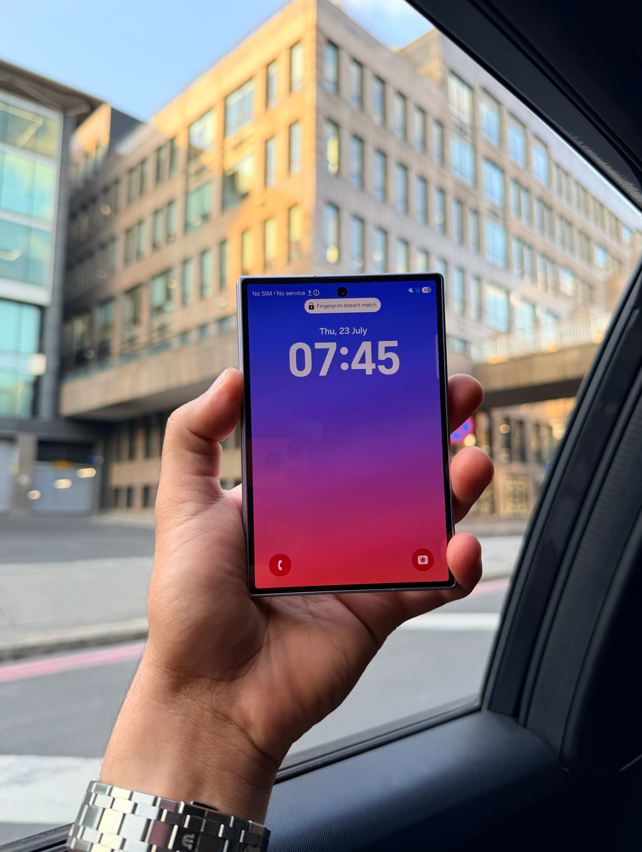
Folded, the Z Fold8 keeps a tall, phone-like 10:16 cover screen for the quick stuff — messages, social feeds, short-form video. Unfold it and the aspect ratio flips entirely, to 4:3. That's the headline change, and it's not subtle in the hand. The device opens into a noticeably wider canvas that suits games and film in a way the old squarer Fold display never quite did.
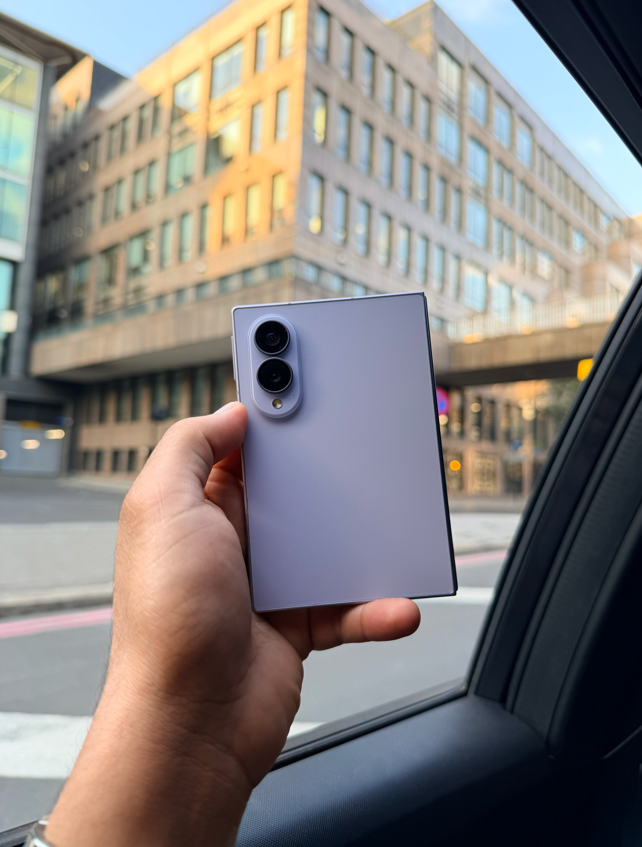
The detail that actually shows some design thinking is what happens when you rotate that same 4:3 panel: it becomes a genuinely comfortable reading shape, closer to a paperback than a tablet. Books, long articles, comments alongside video — Samsung is betting people reach for that shape more often throughout the day than they reach for edge-to-edge widescreen video.
Samsung has clearly gone back and rebuilt its own apps around this ratio, too. Instagram now lets you read comments while scrolling reels side by side on the unfolded screen, and YouTube's layout has been reworked the same way. It's the strongest signal yet that Samsung isn't treating the new aspect ratio as a hardware afterthought — the software ecosystem is being pulled along with it.
Lighter, Thinner, and Somehow Still Durable
At 201 grams, this is the lightest Z Fold Samsung has ever shipped, and that's without sacrificing battery: it packs a 4,800mAh cell, up in a body that's thinner than any previous Fold.
The battery gets there via Samsung's new silicon-carbon technology, which finally lands on a Fold-series device here, giving higher energy density in a slimmer footprint than the older lithium-ion chemistry allowed.
The bigger engineering story, though, is the new "Flex Titanium" structure — a titanium alloy film paired with a titanium plate. It's what actually lets Samsung make the phone thinner and lighter without the durability trade-off you'd expect. Samsung says it's designed to absorb impact, keep the crease less visible over time, and rebalance the hinge mechanics, display tension, and magnetic force so the fold itself opens with less resistance. A new shape is the easy part; making a hinge and display survive years of that shape opening and closing is the harder engineering problem, and it's clearly the one Samsung spent its time on here.
The hinge itself is the part that actually surprised me in hand. It opens with noticeably less resistance than past Folds, and the reworked magnetic force means it doesn't feel like you're fighting the phone to get it flat — it settles into place rather than needing a firm push at the last few degrees. Closing feels the same way: less snap, more glide.
The crease is the other place the new structure shows up, and right now it's barely visible unless you're looking for it under direct light. That's a genuine improvement over past-generation Folds straight out of the box. The caveat is that "out of the box" is doing a lot of work in that sentence — crease depth on foldables tends to worsen gradually with repeated folding over months of daily use, and Samsung's claims about reduced crease visibility are about the rate of that wear, not a promise that it won't happen at all. I wasn't able to test that during a hands-on session, so how well the Flex Titanium structure holds up after a year of real folding is the open question here, not something this review can answer yet.
Power comes from Qualcomm's Snapdragon 8 Elite Gen 5, so none of this thinness comes at the cost of everyday performance.
Performance That Doesn't Feel Like An Afterthought
Foldables have historically had to compromise somewhere to hit a slim, light target, and performance is usually the first thing to give. The Z Fold8 doesn't feel like that phone. The Snapdragon 8 Elite Gen 5 is paired with up to 16GB of RAM and up to 1TB of storage, and everyday use — jumping between split-screen apps, dragging windows around the 4:3 canvas, switching from folded to unfolded mid-task — stays smooth without the stutter you sometimes get on foldables juggling two live displays.
Samsung says the thinner titanium alloy layer freed up internal volume for a larger vapor chamber, which should help sustained performance during longer sessions — gaming on the wider unfolded screen, or exporting video — rather than just benchmark-run numbers. I didn't get enough hands-on time to stress-test thermals properly, but nothing I ran got warm enough to throttle noticeably, and app switching on the new 4:3 layout never felt like it was waiting on the chip.
Where The Ultra Picks Up Instead
If the standard Fold8 is built for discovery and content, the Ultra is Samsung's answer for people who wanted the old Fold to just get sharper at being a productivity tool. It keeps the familiar taller proportions, and leans hard into output: an 8-inch main display, a 200MP main camera that now supports HDR at full resolution, a new 50MP ultrawide, 8K video through a new APV codec, and Cine LUT color tools aimed at real editing workflows. At 4.1mm unfolded, it's Samsung's slimmest Fold body yet, backed by a 5,000mAh battery and a new dual-path charging setup.
And then there's the Flip8, which makes the same underlying point in miniature — 180 grams, 6.1mm thick, with a FlexWindow rebuilt as an AI-native interface rather than a widget shelf, letting you trigger multi-step actions straight from the cover screen instead of unfolding for every small task.
Put the three together and the strategy is obvious: this isn't a lineup split by price anymore, it's split by intent. One Fold tuned for discovery and content, one tuned for maximum output, one tuned for quick, on-the-go use — the same underlying folding technology pointed at three different reasons to actually reach for it.
The Cameras Are Good, Not The Point
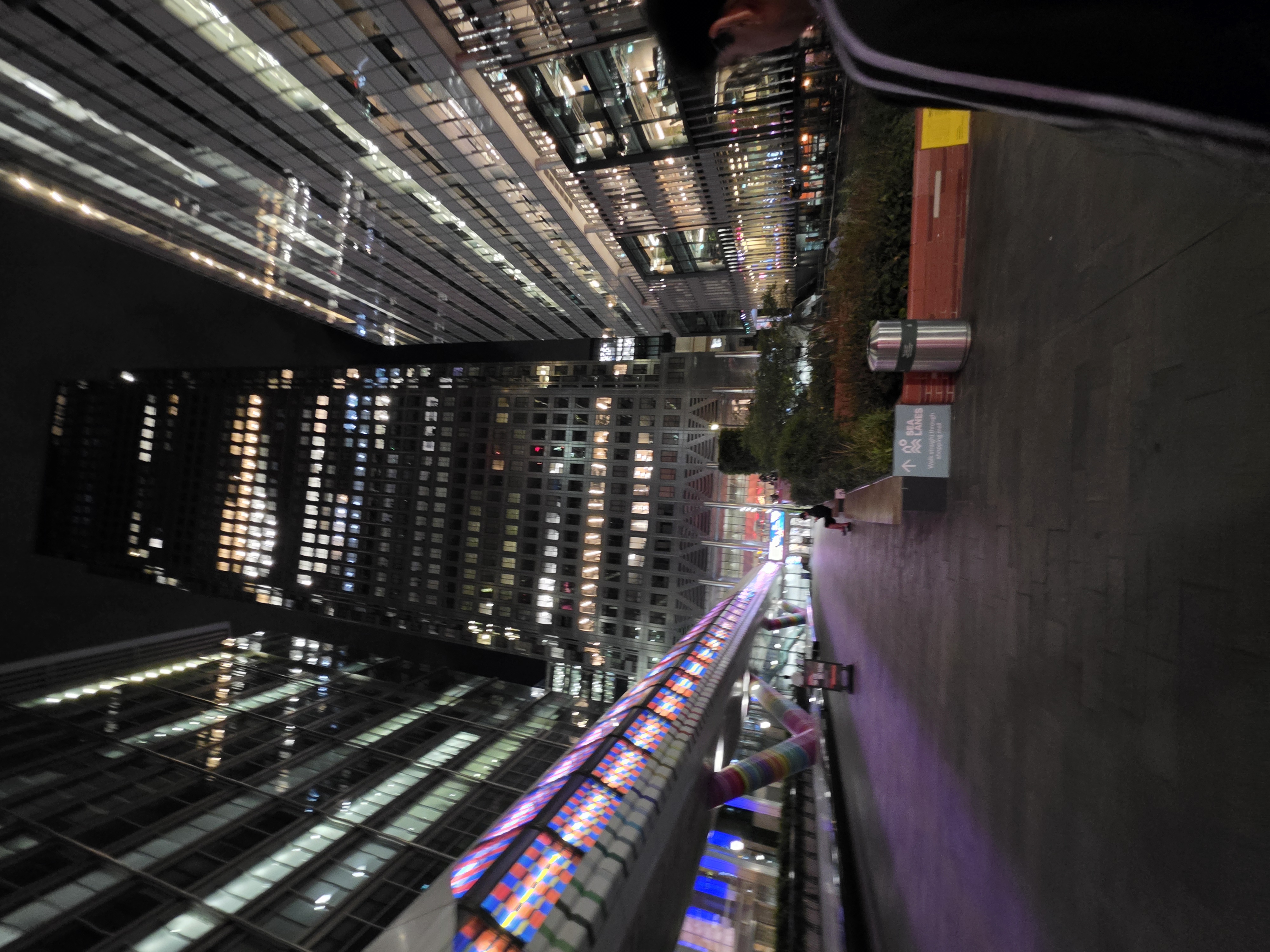
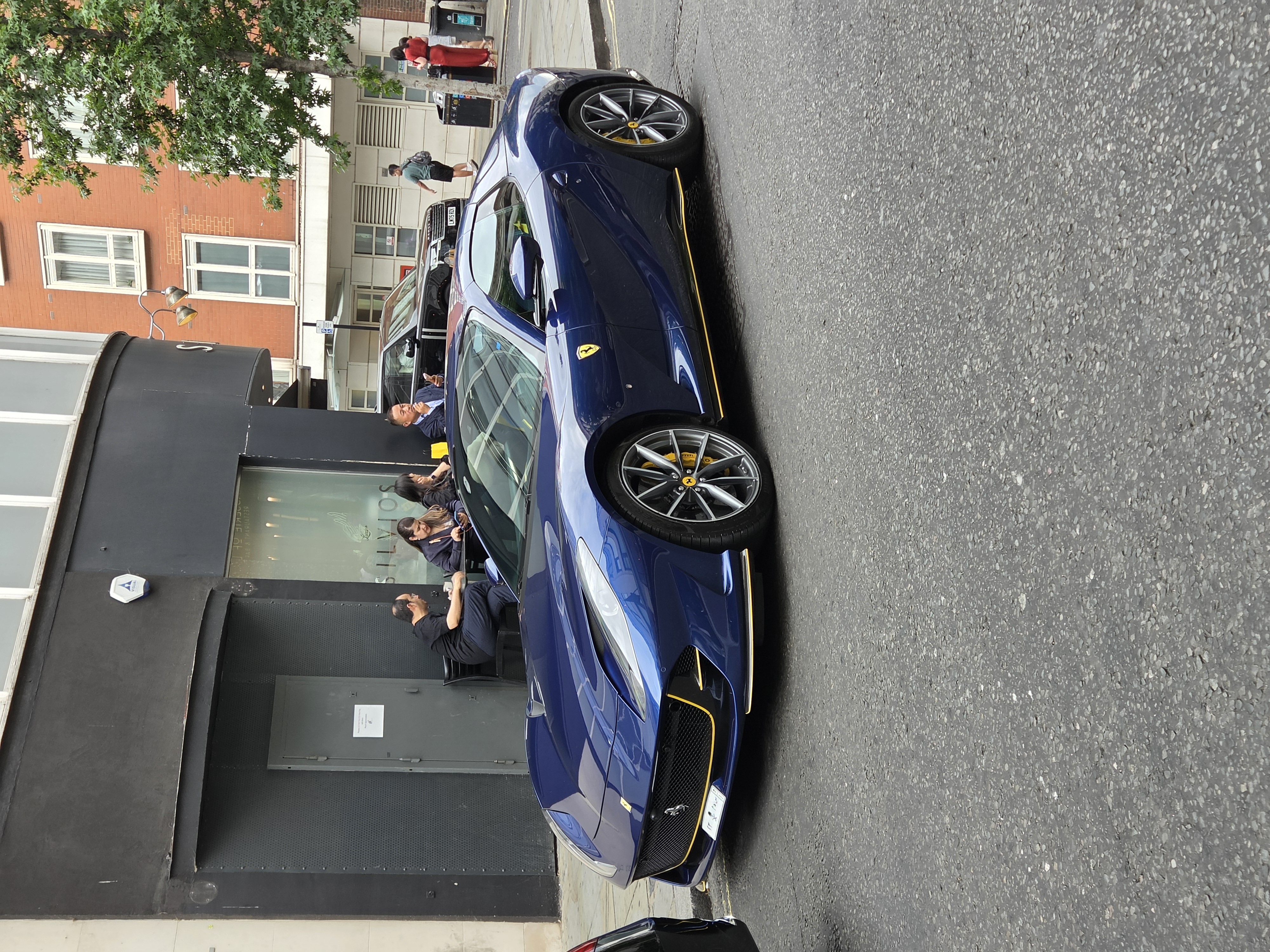
Camera specs on the standard Fold8 are unchanged from a headline-numbers perspective — a 50MP main wide sensor paired with a 50MP ultra-wide, plus a 10MP selfie camera on the cover screen — but the way you actually use them changes with the new shape. The 4:3 unfolded display makes the main screen a genuinely useful viewfinder for wider group shots and landscape framing in a way the old tall Fold canvas never was, and shooting selfies or video calls off the cover screen benefits from the same wide framing.
This isn't the camera system Samsung is pushing as the reason to buy the Fold8 — that job belongs to the Ultra, with its 200MP main sensor and full-resolution HDR. The standard Fold8's setup is competent and consistent rather than flagship-chasing, and daylight shots I took held detail well, with the ultra-wide holding up better than most ultra-wide sensors in this class. Low light is where I'd want more time with the phone before passing final judgment.


The Trade-Off Worth Naming Honestly
A squarer 4:3 panel doesn't solve foldables' long-running letterboxing problem — it just relocates it. Widescreen film, standard 16:9 video, square social posts: something is still going to leave black bars somewhere. Samsung hasn't eliminated the aspect ratio problem so much as picked which formats get the best-optimized experience, betting that reading, browsing, and immersive content matter to more people, more of the time, than edge-to-edge video ever did.
Samsung Galaxy Z Fold8 Specs
-Weight: 201g
-Processor: Snapdragon 8 Elite Gen 5 for Galaxy
-RAM / Storage: Up to 16GB RAM / up to 1TB storage
-Battery: 4,800mAh, silicon-carbon anode
-Structure: Flex Titanium (titanium alloy film + plate)
-Cover screen: 10:16 aspect ratio, AMOLED
-Unfolded screen: 4:3 aspect ratio, AMOLED
-Main camera: 50MP wide + 50MP ultra-wide
-Cover selfie camera: 10MP
-Software: One UI 9, based on Android 17
-Colours: Available in multiple finishes at launch
-Price: Rs. 1,79,999 (256GB, as tested)
Pros And Cons
Pros
-Lightweight, durable titanium construction
-4:3 unfolded screen genuinely suits reading and media, not just marketing copy
-Snapdragon 8 Elite Gen 5 keeps performance strong despite the thinner body
Cons
-Expensive
-Letterboxing hasn't gone away for certain video formats, just moved
-The 4:3 ratio won't suit anyone who prioritises edge-to-edge widescreen video
ALSO READ: Poco M8 Power India Launch Confirmed For August 4, 8,000mAh Battery Officially Teased
Rating: 9/10
From my hands-on time, the Z Fold8 feels like the more experimental of Samsung's three new foldables — and the more convincing one. The Ultra is the safer upgrade for anyone who just wanted last year's Fold to get better. The Fold8 is Samsung finally admitting the old shape was a placeholder, and building something with an actual point of view instead.