- By Prateek Levi
- Wed, 22 Apr 2026 08:30 PM (IST)
- Source:JND
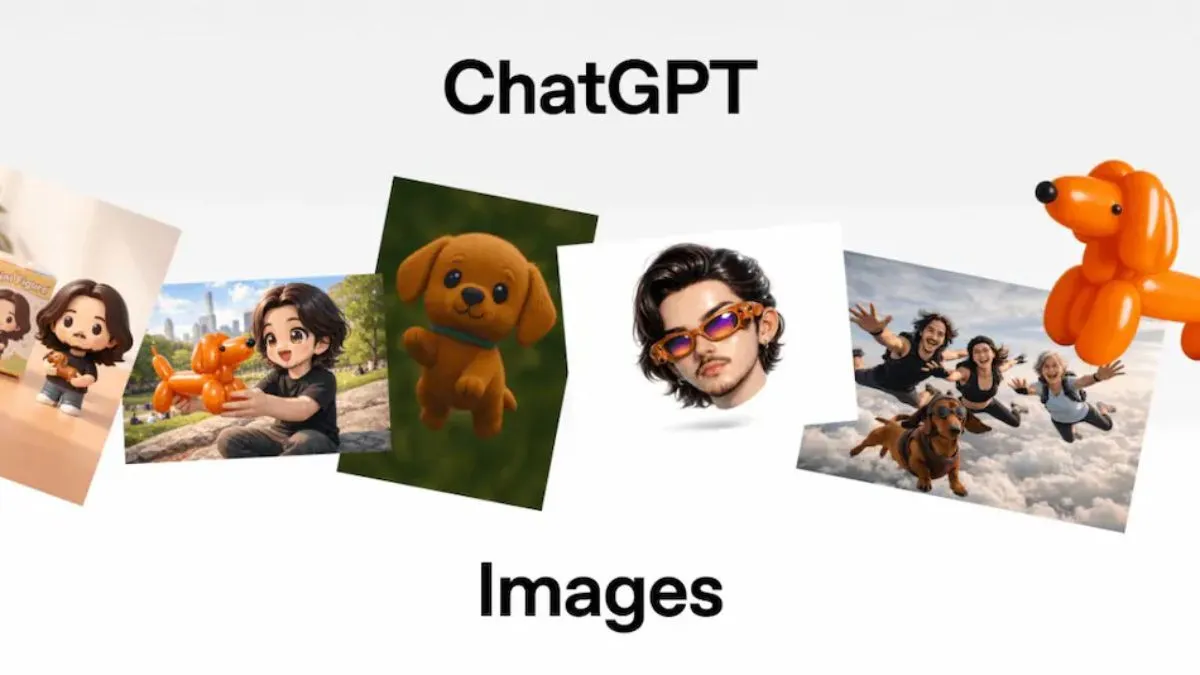
OpenAI is updating its image generation stack with ChatGPT Images 2.0, and this one feels less like a visual upgrade and more like a usability fix.
The focus this time is not just on making images look better, but on making them actually usable. That means better control, cleaner outputs, and fewer surprises when you enter detailed prompts. The rollout has already started across ChatGPT, Codex, and the API.
ALSO READ: Redmi K Pad 2 With 8.8 Inch 3K 165Hz Display And Dimensity 9500 Launched
Availability And Who Gets What
The model is now available to all users, but not everyone gets the full experience.
Advanced features like reasoning backed generation are limited to ChatGPT Plus, Pro, and Business users. Developers, meanwhile, can plug into the model through the gpt image 2 API, with pricing tied to output quality and resolution.
Where The Upgrade Actually Shows
If you have used earlier image models, the biggest pain point was consistency. You could describe something clearly and still get results that missed key details.
That is exactly what OpenAI is trying to fix here. ChatGPT Images 2.0 is better at following instructions, especially when the prompt involves multiple elements. Think UI layouts, posters with text, or structured diagrams. These were areas where older models struggled.
Text And Language Finally Get Attention
One noticeable improvement is text rendering. The model can now generate non English text more accurately, including languages like Hindi, Bengali, Chinese, Japanese, and Korean.
That opens up use cases beyond simple visuals. You can now create things like localised posters or infographics where language is part of the design, not just an afterthought.
More Consistent Visual Output
OpenAI is also pushing consistency across styles. Whether you are going for photorealistic images, cinematic scenes, pixel art, or manga, the outputs are expected to stay closer to what you asked for.
There are also visible improvements in lighting, texture, and overall composition, which should make outputs feel less patchy.
Output And Flexibility
The model supports up to 2K resolution right now, with higher resolutions still being tested. It can generate up to eight images in one go, while keeping elements like characters and objects consistent across variations.
Aspect ratio flexibility is another small but useful change. You can go from ultra wide formats to tall layouts without needing workarounds.
Reasoning Changes The Workflow
This is where things get interesting. When paired with a reasoning enabled ChatGPT model, Images 2.0 can do more than just generate visuals. It can pull in information, verify context, and then create images based on that combined understanding.
That makes it more useful for real tasks like design drafts or educational visuals, not just creative experiments.
Still Not Perfect
OpenAI is upfront about the limitations. The model can struggle with tasks that need precise physical accuracy, like complex puzzles or objects from unusual angles. Very dense or repetitive details can also trip it up.
And while diagrams and labelled visuals are better, they are not always perfect and may still need a manual check.
What This Actually Means
ChatGPT Images 2.0 is not just about making prettier images. It feels like a shift toward making image generation more predictable and practical.
If it works as intended, this could move AI visuals from something you play around with to something you actually rely on.