- By Prateek Levi
- Tue, 07 Apr 2026 04:28 PM (IST)
- Source:JND
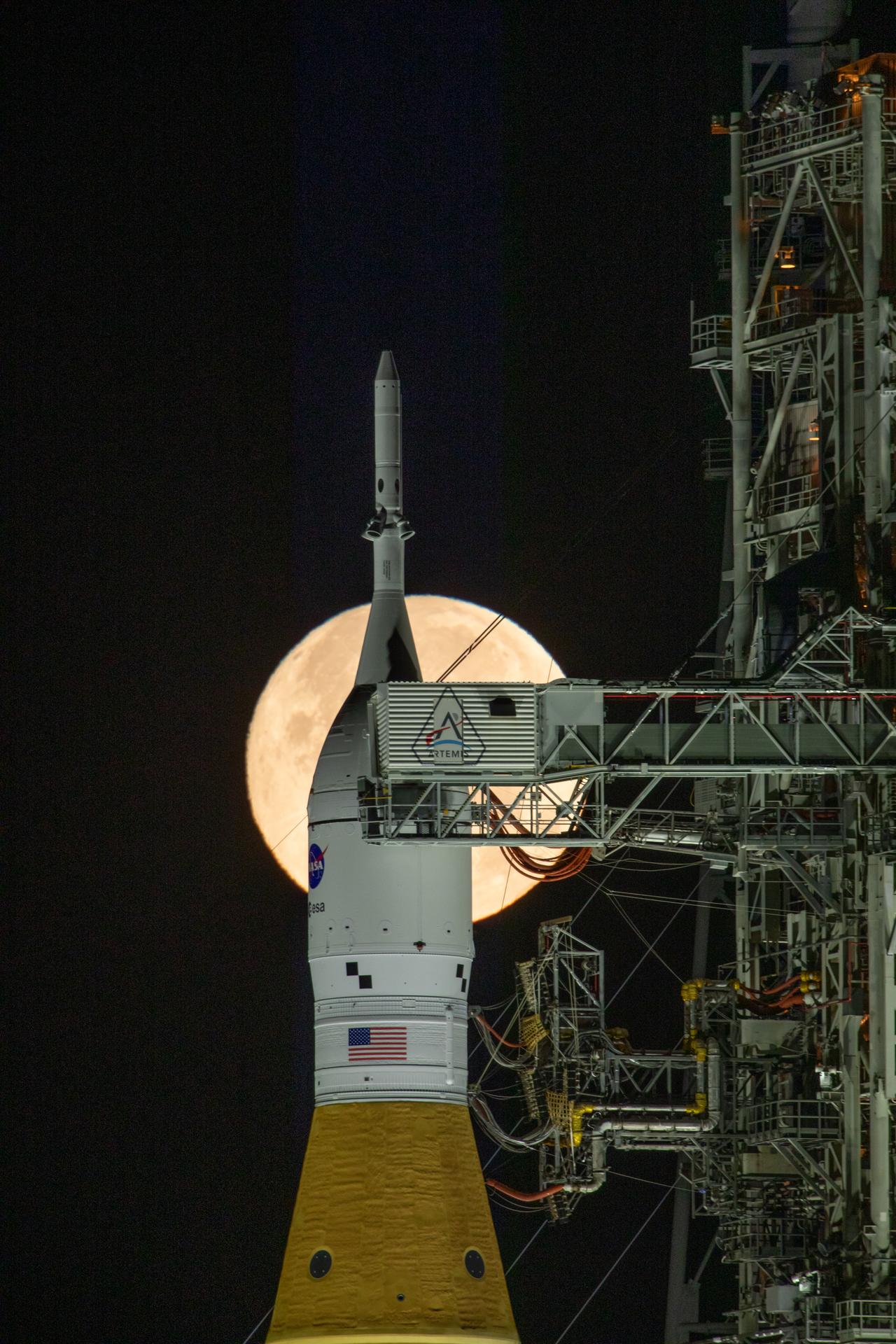
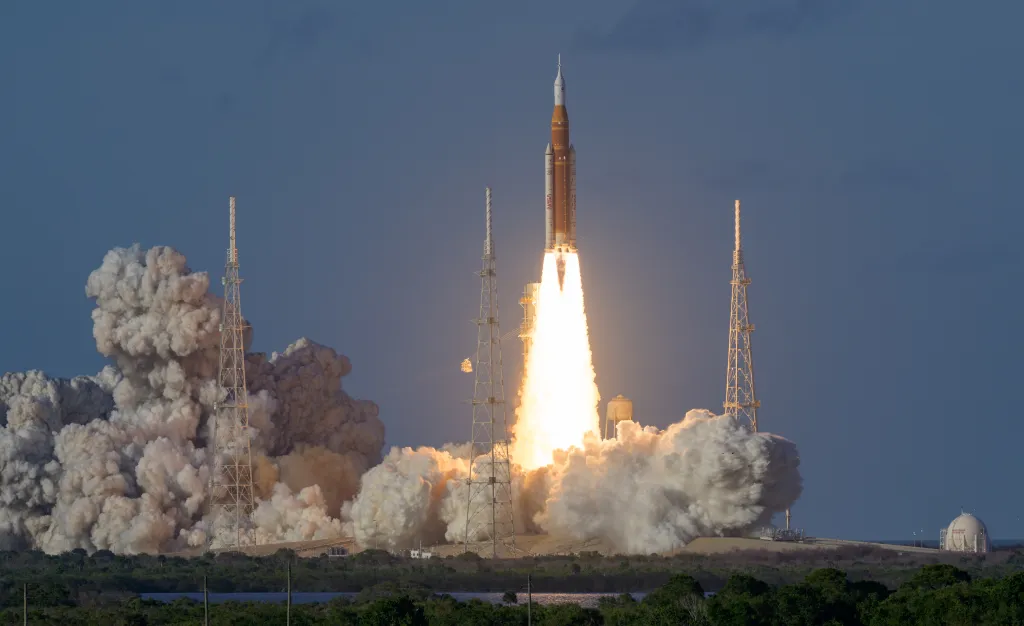
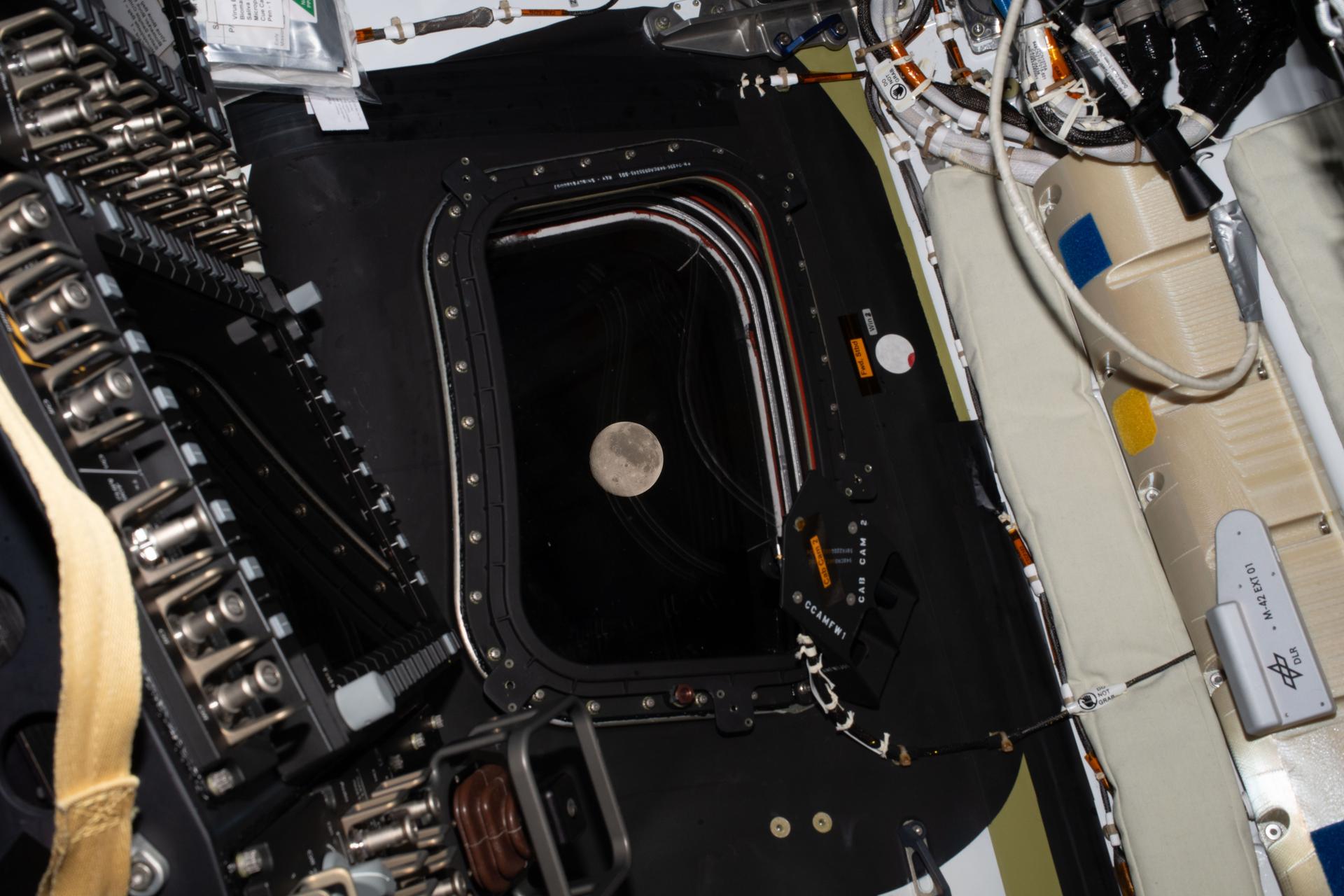
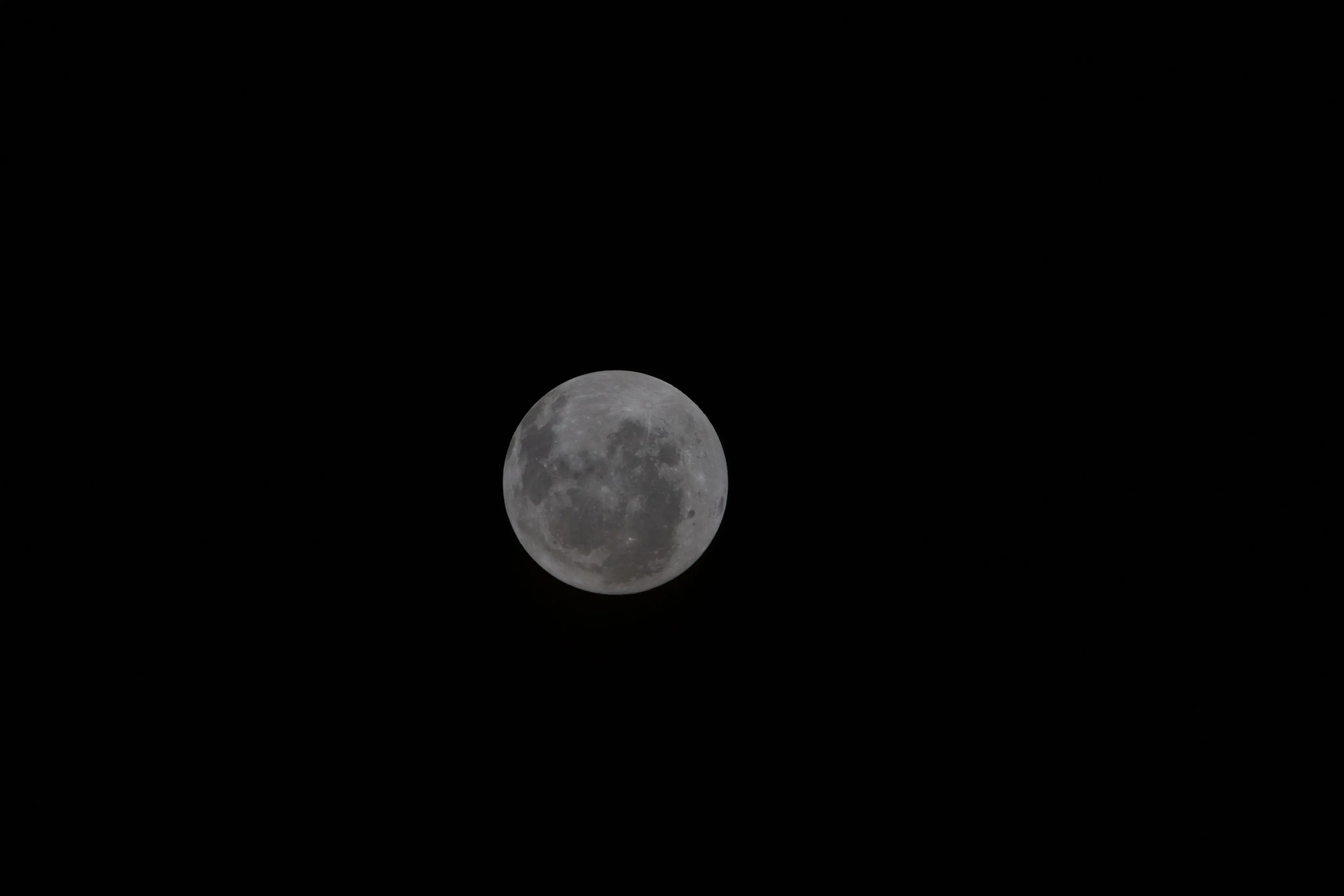
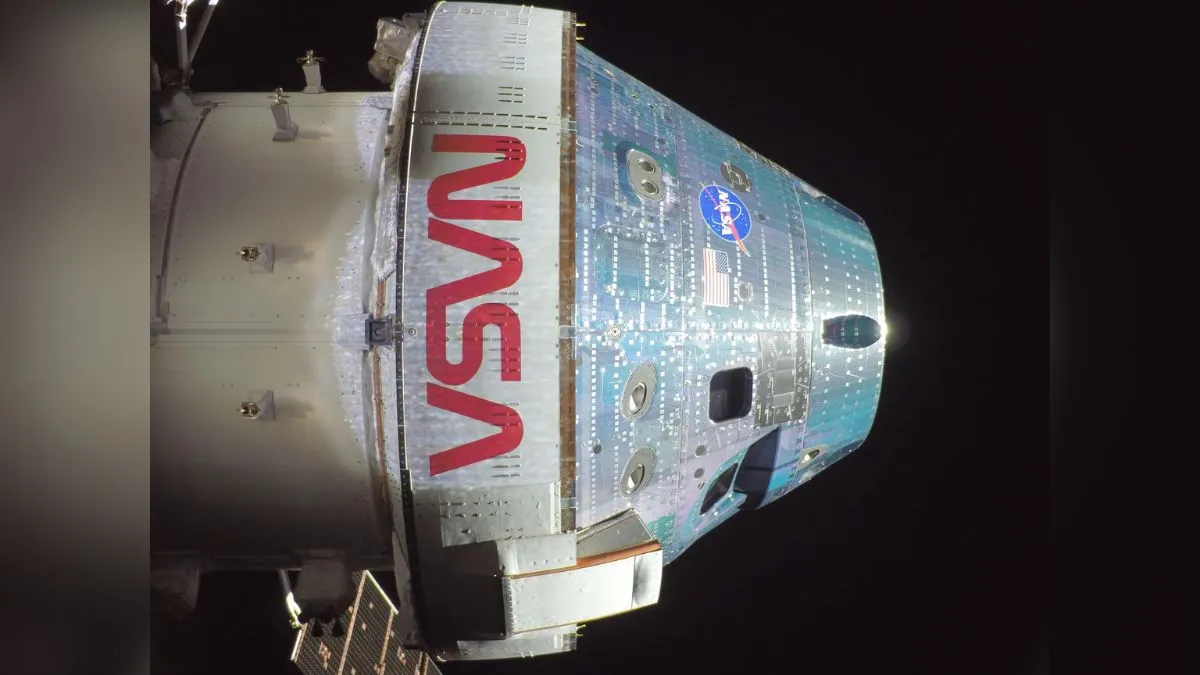
NASA's Artemis II just completed its lunar flyby, and this expedition was quite significant in the sense that it marked many firsts this time, making this a historic mission. This was a historic mission in many ways, as this is the first time after 50 years that marked the humans' return to the moon's orbit. Before this, its predecessor mission, Artemis I, was launched; it did the same thing but was unmanned. This time the case was different. Apart from this, the crew also set the record for farthest distance travelled from the earth. The crew was onboard the Orion spacecraft, which was launched via NASA's latest Space Launch System (SLS). The crew also witnessed the unlit surface of the moon and a rare solar eclipse. NASA has called this achievement “humanity's first return to the Moon since Apollo 17 in 1972.”
The Crew
The flyby conducted by NASA with its Orion spacecraft had onboard astronauts Reid Wiseman, Victor Glover, and Christina Koch, along with CSA (Canadian Space Agency) astronaut Jeremy Hansen. The historic expedition which is being touted as the return to the moon started at 1:56 PM EDT (11:26 PM IST).
How Was The Flyby Conducted?
For the launch NASA used its latest heavy rocket launcher, SLS (Space Launch System), to deploy the Orion spacecraft, which took the crew from Earth closer to the Moon. There the spacecraft entered its sphere of influence, a place where the Moon's gravity is stronger than the Earth's gravitational pull. Then the spacecraft had to circle the far side of the moon, which has not been explored yet, and then after orbiting it, the spacecraft began heading towards Earth from the other side.
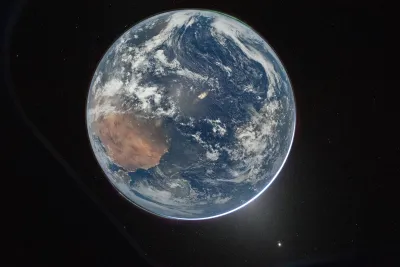
While the expedition was in full swing, it broke many records, like the farthest distance travelled. Previously, Apollo 13 had travelled a distance of 248,655 miles with humans onboard; with Artemis II, the new record stands at 252,756 miles when calculated from Earth. The crew also took pictures from the spacecraft and photographed impact craters, surface cracks, ancient lava tracts and ridges on the far side of the moon that have evolved over millions of years.
The crew also witnessed another phenomenon unfolding in front of their eyes, and that was a solar eclipse which was almost an hour long. This eclipse was caused by the alignment of the Orion spacecraft, the Sun and the Moon, and this gave the crew a chance to witness the unlit surface of the Moon and the Sun's corona that surrounded the Moon's edge. They also witnessed six light flashes that were created because of meteoroids that hit the surface of the moon.
Another thing that made this expedition historical was the fact that this was the first time astronauts were allowed to take their own smartphones in the spacecraft, and with approval, four units of the iPhone 17 Pro Max made it to space for the first time.
What's an Earthset?
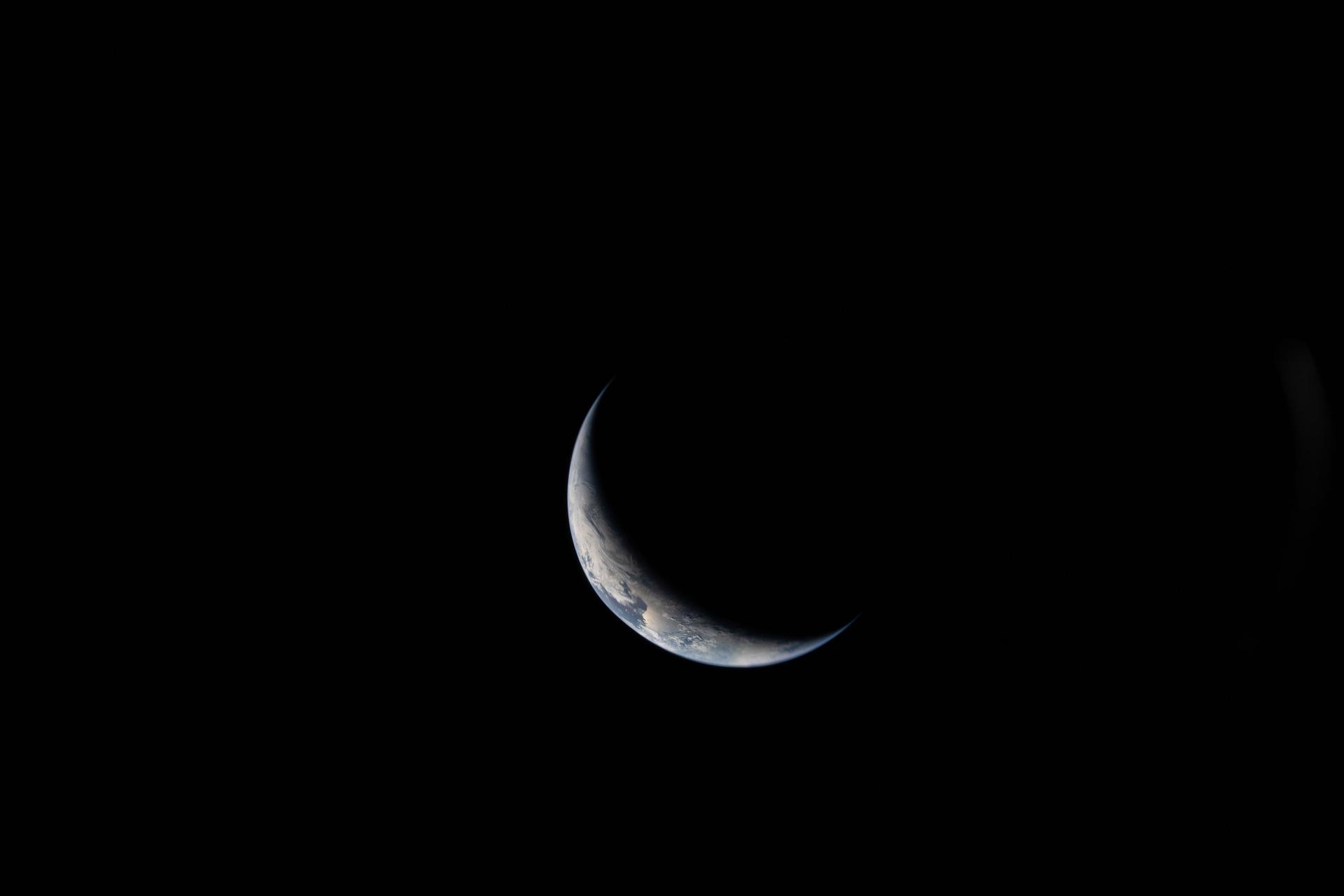
While at the spacecraft, the astronauts witnessed another mesmerising phenomenon called the 'earthset', and it's exactly what you are thinking. Like the sunset, when the sun drops below the earth's horizon, this phenomenon describes when the earth falls below the horizon of the lunar surface, but this is only happening because the spacecraft is moving, because the moon is essentially tidally locked and the earth would appear to be still from its surface. Similarly, the crew also witnessed the Earthrise while the spacecraft came from the other side of the Moon.
What Next?
Now the scientists are at it with the photographic evidence that has been captured from the far side of the moon, and soon collation and discussion over these observations will begin. This was a historic mission in many ways, and most importantly, data captured from the expedition will help in furthering deep space exploration.
ALSO READ: Google Pixel 10a Gets A Japan Exclusive Twist With Isai Blue Colourway Launch