
- By Prateek Levi
- Sat, 04 Apr 2026 04:27 PM (IST)
- Source:JND
Microsoft is pushing deeper into the AI race, and this time it’s not just about chatbots. The company has rolled out three new models aimed at doing real, everyday tasks faster—turning speech into text, generating lifelike voices, and creating sharper images.
Microsoft Brings New AI Tools Into The Mix
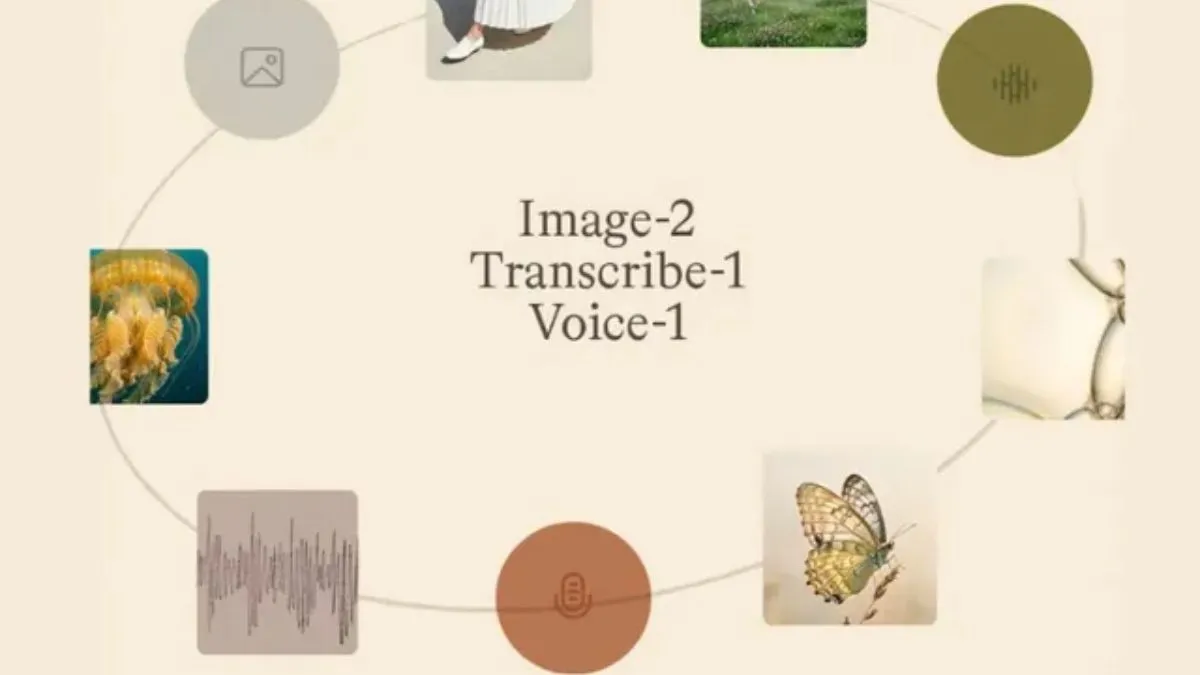
In its latest update, Microsoft introduced MAI-Transcribe-1, MAI-Voice-1, and MAI-Image-2. All three are already available through Microsoft Foundry and the MAI Playground, and they’re gradually making their way into products like Copilot, Bing, and PowerPoint.
A Transcription Model That’s Built For Accuracy
MAI-Transcribe-1 is focused on speech-to-text, supporting 25 commonly used languages. Microsoft says it performs at a top-tier level, based on internal testing using the FLEURS benchmark. The company even claims it edges past tools like Gemini 3.1 Flash and GPT-Transcribe when it comes to error rates.
That said, the bigger pitch here is efficiency. Microsoft is positioning it as a model that doesn’t just perform well but also keeps costs in check for developers and businesses using its cloud platform.
Making AI Voices Sound Less Like AI
Then there’s MAI-Voice-1, which is all about making synthetic speech feel more natural. Instead of flat, robotic audio, this model aims to capture tone, emotion, and subtle variations in speech.
It also brings voice cloning into the mix. With just a few seconds of audio, users can create a custom voice that stays consistent across longer recordings. Microsoft says safeguards are in place, though this is clearly a space where concerns around misuse still exist.
One interesting bit, speed. The model can reportedly generate up to a minute of audio in just a second. It’s also expected to power features like Copilot Audio Expressions and Copilot Podcasts.
Better Images, Less Waiting
On the visual side, MAI-Image-2 builds on Microsoft’s earlier work. The focus this time is on cleaner outputs, better lighting, more realistic textures, and clearer text within images.
Microsoft says it worked closely with creatives while developing the model, which shows the direction it’s taking here: making AI tools actually useful for designers and content teams, not just experimental.
ALSO READ: Inside Anthropic’s Claude Code Leak: How A Simple 'Human Error' Triggered A Massive AI Breach
The model is already being picked up by enterprise players like WPP, and like the others, it’s being integrated across Microsoft’s ecosystem.
Where This Fits In The Bigger AI Push
Taken together, these launches feel less like flashy demos and more like practical upgrades. Microsoft is clearly focusing on tools people can plug into their workflows right away, whether that’s transcribing meetings, generating voiceovers, or creating visuals on demand.
And while the company is making bold claims about outperforming competitors, the real test will be how these models hold up once more developers and businesses start using them at scale.