
- By Prateek Levi
- Fri, 08 May 2026 01:02 PM (IST)
- Source:JND
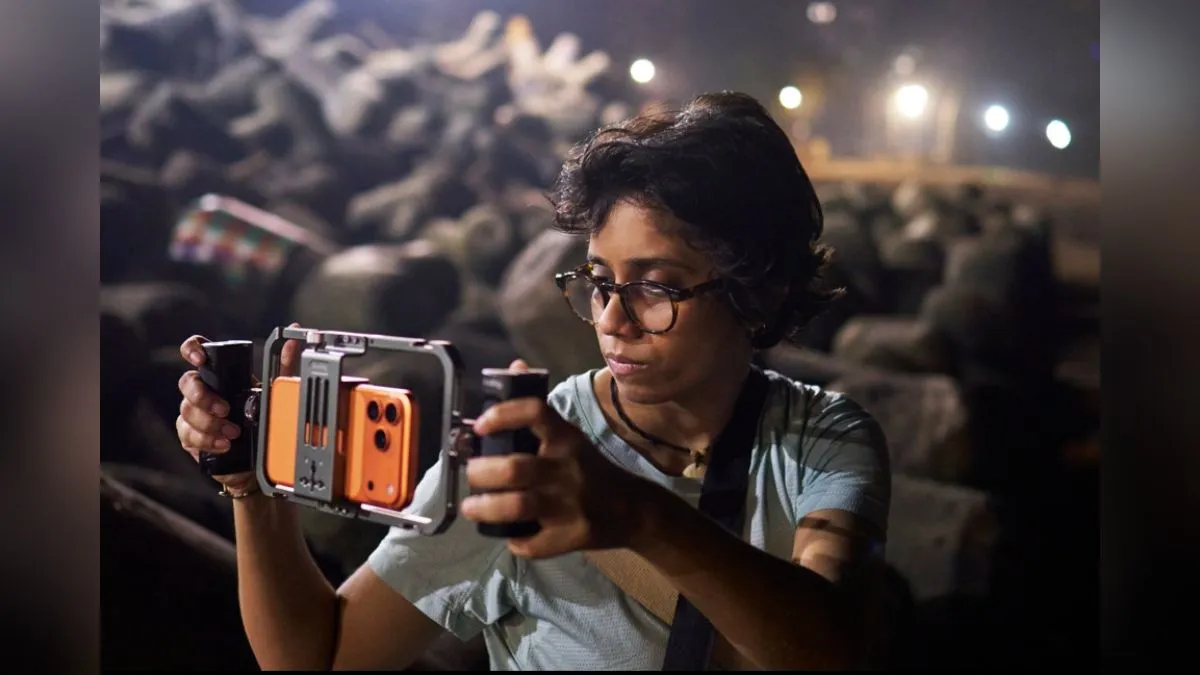
The latest edition of MAMI Select: Filmed on iPhone brings together four emerging filmmakers who are using the iPhone 17 Pro Max to tell deeply personal and visually distinct stories. The shift here is not just about technology but about access and creative freedom.
From Mumbai’s late-night streets to Kerala’s surreal landscapes, Goa’s beaches, and a quiet Bengali household, each film explores a very different world. What connects them is how they are shot and how that choice is shaping the storytelling itself.
“Filmmaking today is about vision, and iPhone makes it possible for anyone with a strong voice to create something meaningful,” says writer-director Sriram Raghavan, whose 2018 feature, Andhadhun, is one of the most decorated Indian films of the past decade.
A New Kind of Film Language Emerging
Mentored by filmmakers like Chaitanya Tamhane, Dibakar Banerjee, and Geetu Mohandas, the creators leaned heavily on the iPhone 17 Pro Max along with the MacBook Pro with M5 and iPad Pro with M5 to build their films.
“The possibilities an iPhone opens up—in terms of choreography, movement, and ease of access—are redefining the art form,” says Tamhane. “It helps push the idea of what a film can be.”
The results show how fluid and experimental these films feel. There is less restriction, more movement, and a clear willingness to try things that would normally require bigger budgets.
From Boxing Rings to Mumbai Nights
Shreela Agarwal’s journey stands out. After stepping away from filmmaking to pursue boxing and winning gold at a national level, an injury brought her back to cinema.
Her film 11.11 captures a quiet, intimate story set against Mumbai’s nightlife. Shooting in low-light conditions pushed the limits of the iPhone 17 Pro Max, especially with ProRes RAW and its ability to recover detail in darker scenes.
“We tested iPhone 17 Pro Max in a very unique way,” says Agarwal.
For her, the biggest shift was practical. “You don’t need those massive lights that independent filmmakers could never really afford anyway.”
Capturing Dreams, Chaos, And Emotion
Ritesh Sharma uses cinematic mode to blur the line between reality and imagination in his story about a young girl in Goa. His approach leans heavily on sound and atmosphere.
“I felt like a moving studio,” he says.
Robin Joy takes things further with action-heavy sequences in Kerala, relying on action mode to stabilize shots in unpredictable conditions.
“iPhone 17 Pro Max changed the way we’re approaching it. I can just lock and go.”
His film includes complex visual effects that were completed faster using AI tools on a MacBook Pro.
Zooming Into Emotion And Silence
Dhritisree Sarkar’s film explores isolation and internal trauma. Using the iPhone’s zoom capabilities, she captures intimate, almost uncomfortable close-ups that reflect the character’s emotional state.
“The trauma isn’t on the outside. It lies within.”
Her approach also highlights how accessible filmmaking has become.
“I felt like I had a story to tell, and I had an iPhone," she says. “When no one else will tell my story, why shouldn’t I?”
A Larger Shift in Motion
According to MAMI Mumbai Film Festival director Shivendra Singh Dungarpur, the impact is already visible.
“The fact that these films have been captured with iPhone has inspired hundreds of people to go out there and start making short films,” he says. “It’s creating a new generation of filmmakers.”
That shift may be the real story here. Not just better cameras or new tools, but a growing sense that filmmaking is no longer limited to those with access to expensive gear.