
- By Prateek Levi
- Tue, 12 May 2026 11:35 PM (IST)
- Source:JND
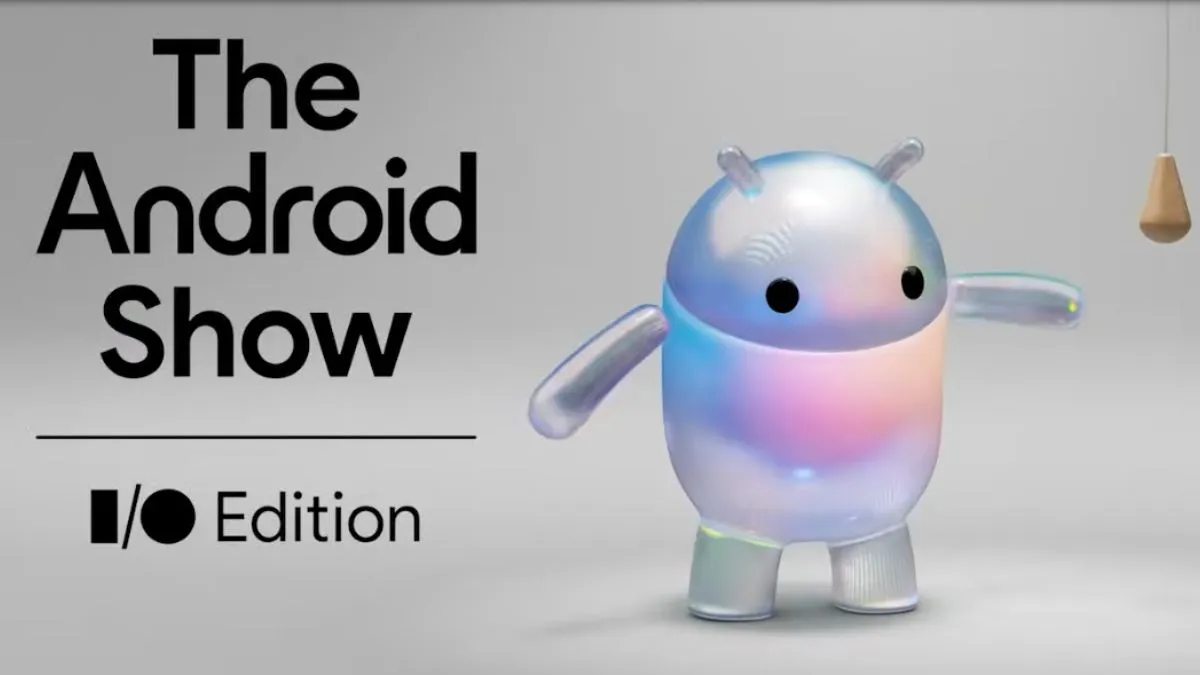
Google The Android Show I/O Edition: Google just showcased The Android Show: I/O Edition on Tuesday. The Mountain View-based tech giant is doing a virtual event for the second time consecutively, in which it has shared new upgrades that will show up in operating Systems (OS) across Android devices. This virtual showcase although it is just an intro event, and the main event is slated to take place on May 19, 2026. During the showcase that aired on YouTube, the tech giant revealed and previewed some features that will make their way to the latest Android upgrade this year. So let's dive in and take a deeper look at what was revealed at the showcase tonight.
ALSO READ: GTA 6 Third Trailer Could Be Just Around The Corner As Sony Pushes PS4 Users To Get On A PS5
All The Major Announcements
Google may have hosted The Android Show: I/O Edition before its main developer conference, but the event still packed in a long list of Android announcements. Most of these features had already appeared through beta builds and leaks over the past few months, but this was the first time Google properly demonstrated how they would actually work on devices.
One of the biggest announcements was Quick Share getting AirDrop interoperability support. This means Android users will soon be able to share files directly with iPhones much more easily. Google had teased the feature earlier this year, but the company has now confirmed that it will first roll out with the Pixel 10 series before expanding to select Samsung, Oppo, OnePlus, Vivo, Xiaomi, and Honor smartphones later this year.
For Android phones that do not support the feature natively, Google is also adding a QR-code-based sharing system. Users will be able to generate a QR code and instantly send files to iPhones through the cloud. The company also revealed plans to bring Quick Share support inside third-party apps like WhatsApp.
Gemini Is Taking Over Chrome on Android
Google also confirmed that Gemini AI features are finally making their way to Chrome on Android next month. Similar tools were earlier introduced on Chrome desktop, and now mobile users are getting the same experience.
Powered by Gemini 3.1, users will be able to ask questions about webpages, summarise long articles, compare websites, and get explanations for complicated topics without leaving the browser. Google is also adding more agentic features, meaning Gemini can now take actions instead of just answering queries.
During the showcase, Google demonstrated Gemini adding recipes to Keep, creating Calendar events, and finding specific information inside Gmail. Another major addition is “auto browse,” an AI agent that can navigate websites, fill forms, handle shopping tasks, and even complete bookings for users. However, Google confirmed that auto browse will not launch in India initially.
The company also introduced “Nano Banana,” a feature that can generate personalised visuals and customise images directly from the web.
Android Auto Gets a Massive Visual Upgrade
Android Auto is receiving one of its biggest redesigns in years. Google is bringing edge-to-edge Maps integration and the Material 3 Expressive design language to compatible infotainment systems. This means larger visuals, smoother animations, expressive fonts, and refreshed wallpapers across the interface.
The standout feature here is Immersive Navigation in Google Maps. It introduces a more vivid 3D driving view that highlights buildings, overpasses, terrain, traffic lights, lanes, and stop signs in real time to reduce confusion while driving.
Google also announced that Android Auto will soon support YouTube and similar video apps for the first time. Users will be able to watch up to 60fps full-HD videos while parked in supported vehicles later this year. Brands confirmed to support this include BMW, Ford, Genesis, Hyundai, Kia, Mahindra, Mercedes-Benz, Renault, Škoda, Tata, and Volvo.
Once the vehicle starts moving, supported apps will automatically switch from video playback to audio-only mode. Android Auto is additionally getting Dolby Atmos support in select vehicles alongside Gemini-powered AI tools.
Gemini Intelligence Is Expanding Beyond Pixel and Samsung
Google used the event to further push Gemini Intelligence, its new AI suite for Android. Previously limited to the Samsung Galaxy S26 series and Pixel 10 lineup, the company is now expanding these features to more Android devices.
The new AI system can handle multistep tasks such as booking spin classes, finding course material inside Gmail, planning trips through images, or adding grocery items from Notes directly into shopping carts. Gemini will also be able to understand what is currently visible on a user’s screen or stored in photos instead of requiring manual prompts every time.
Another interesting addition is AI-generated widgets. Through a new “Create My Widget” feature, users can simply describe the widget they want, and Gemini will generate it automatically. Google showed examples of widgets that could suggest weekly high-protein meal plans or create personalised dashboards connected to Gmail and Calendar.
Google is also introducing Rambler, a Gemini-powered tool that cleans up speech-to-text conversions by removing filler words such as “um,” “ah,” and “like.”
Android Gets New Social and Camera Features
Google is bringing several new emojis to Android while redesigning some older ones as well. These changes will first arrive on compatible Pixel devices.
The company also introduced Screen Reactions, a feature designed for creators and social media users. It lets users record themselves and their phone screen at the same time, allowing reactions and commentary to appear directly on the video.
Google additionally announced a partnership with Meta to improve Instagram uploads on flagship Android smartphones. Features such as Ultra HDR capture, built-in video stabilisation, and Night Sight support will soon work directly inside Instagram uploads.
Googlebook Is Google’s New Laptop Category
Apart from Android announcements, Google also unveiled Googlebook, a completely new category of AI-focused laptops. The devices are being developed with Acer, Asus, Dell, HP, and Lenovo, and are expected to launch later this fall.
Google says these laptops are designed around Gemini Intelligence from the ground up. They combine the Chrome browser, Google Play Store, Android integration, and AI features into one ecosystem.
One of the headline features is Magic Pointer. Users can wiggle the cursor to activate Gemini-powered contextual suggestions directly on screen. Google demonstrated using it to create meetings from emails or compare images instantly.
Googlebook laptops will also support Quick Access, allowing users to browse and insert files stored on their Android phones directly from the laptop’s file browser without manual transfers. Another feature called “Create Your Widget” lets users generate custom desktop widgets using natural language prompts connected to apps like Gmail and Calendar.
Google says the laptops will feature premium materials, multiple form factors, and a new Glowbar design element shown during the live event.