
- By Anushka Shalya
- Thu, 30 Jul 2026 05:07 PM (IST)
- Source:JND
You must have noticed that whenever a devotee visits a temple, the priest applies a tilak or tika on their forehead after their prayers. This simple Hindu tradition has been followed through many generations. If you observe Hindu gods and goddesses, they are also depicted wearing a tilak or Tripundra on their foreheads. But have you ever wondered about the spiritual significance of applying a tilak on the forehead?
Let's understand its meaning and importance in Hindu traditions.
What Is A Tilak And Why Hindus Apply It?
Tilak is a sacred mark made using substances such as sandalwood paste (chandan), sacred ash (vibhuti/bhasma), kumkum or turmeric. It is applied to the forehead, usually between the eyebrows.
According to Hindu philosophy, this spot is associated with the Ajna Chakra, also known as the third-eye chakra, which represents wisdom, intuition, clarity, and inner consciousness. It is believed that applying a tilak at this spot helps awaken these qualities, balance one's energy, and promote spiritual awareness.
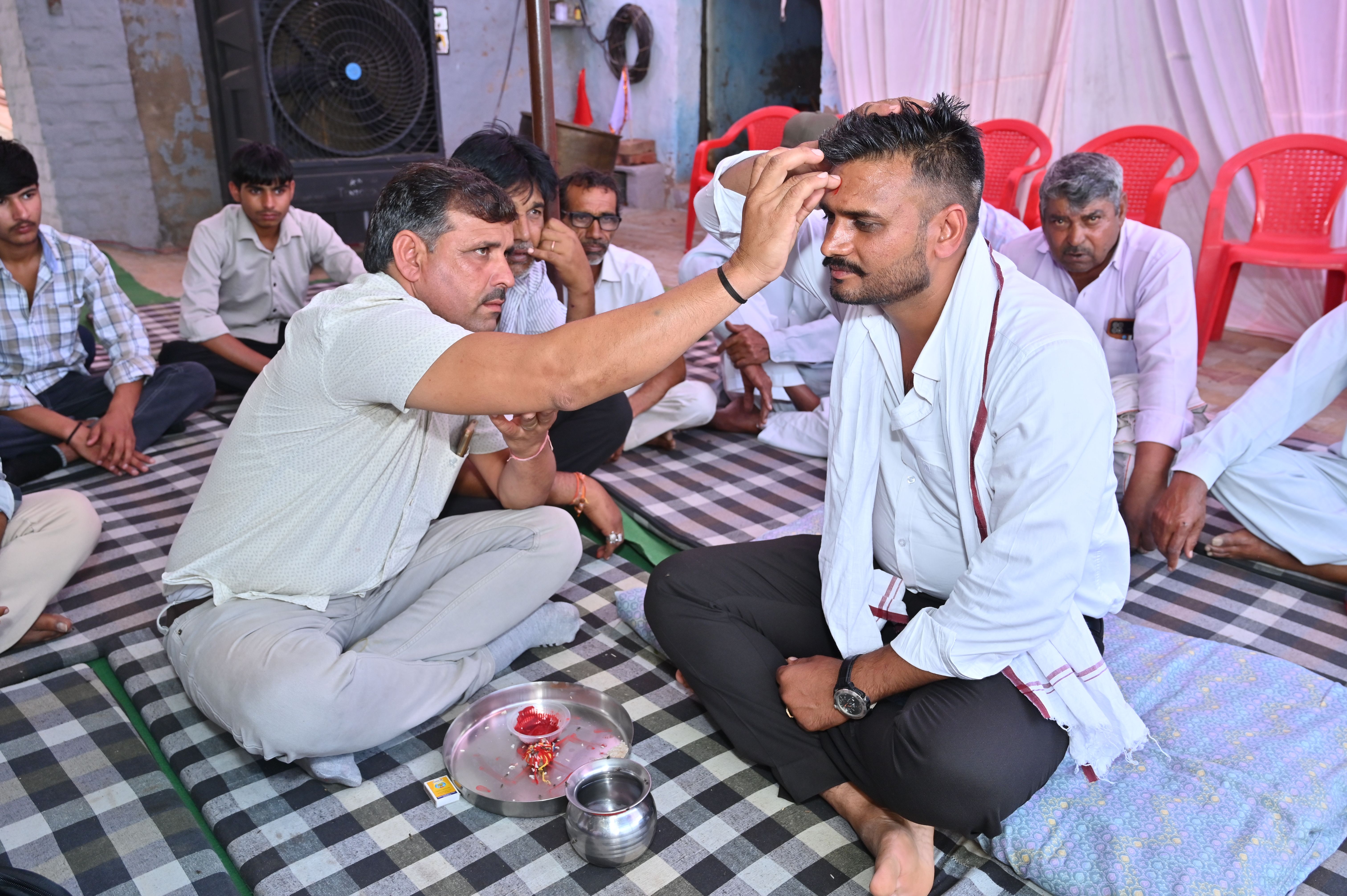
Tilak is applied on the forehead, usually between the eyebrows (Image: Pexels)
ALSO READ: Why Is Touching Books And People With Feet Considered Inauspicious?
Types Of Tilak
If you notice carefully, there are different types of tilak applied on the forehead. Each has its own spiritual importance.
1. Vaishnav Tilak: Devotees of Lord Vishnu or Lord Krishna apply Vaishnav Tilak on their forehead as it symbolises surrender and love. It is typically U-shaped and often features a red line or dot in the centre, representing Goddess Lakshmi.
2. Tripundra Tilak: It is generally applied by devotees of Lord Shiva. It consists of three horizontal lines made with sacred ash (bhasma), often accompanied by a red dot. It symbolises detachment from worldly desires and reminds a devotee that everything in life is temporary.
3. Shakta Tilak: The Shakta Tilak is usually a single red dot or a vertical mark made with kumkum. It symbolises the divine feminine energy and fertility and is generally applied during the worship of the Goddess.
Spiritual Significance Of Applying Tilak
Applying tilak on the forehead holds immense spiritual importance. Here's how:
Improves Concentration
When tilak is applied on the forehead, it activates the third chakra, helping improve focus, mental clarity, and inner awareness. It encourages devotees to direct their attention inward and balance their spiritual practices with daily responsibilities.
Protection And Purification
According to Hindu beliefs, a tilak is a mark of protection and purity. It is believed to act as a protective shield against negative energies and evil eyes. Applying it after taking a bath, it is believed to purify the body, mind, and aura before worship.
Promotes Calmness
Another reason many people apply sandalwood (chandan) tilak is because of its natural cooling properties. It is believed to calm the mind, reduce stress, and create a sense of inner peace.
ALSO READ: Why Do Hindus Perform Parikrama Around Temples? The Spiritual Meaning Explained
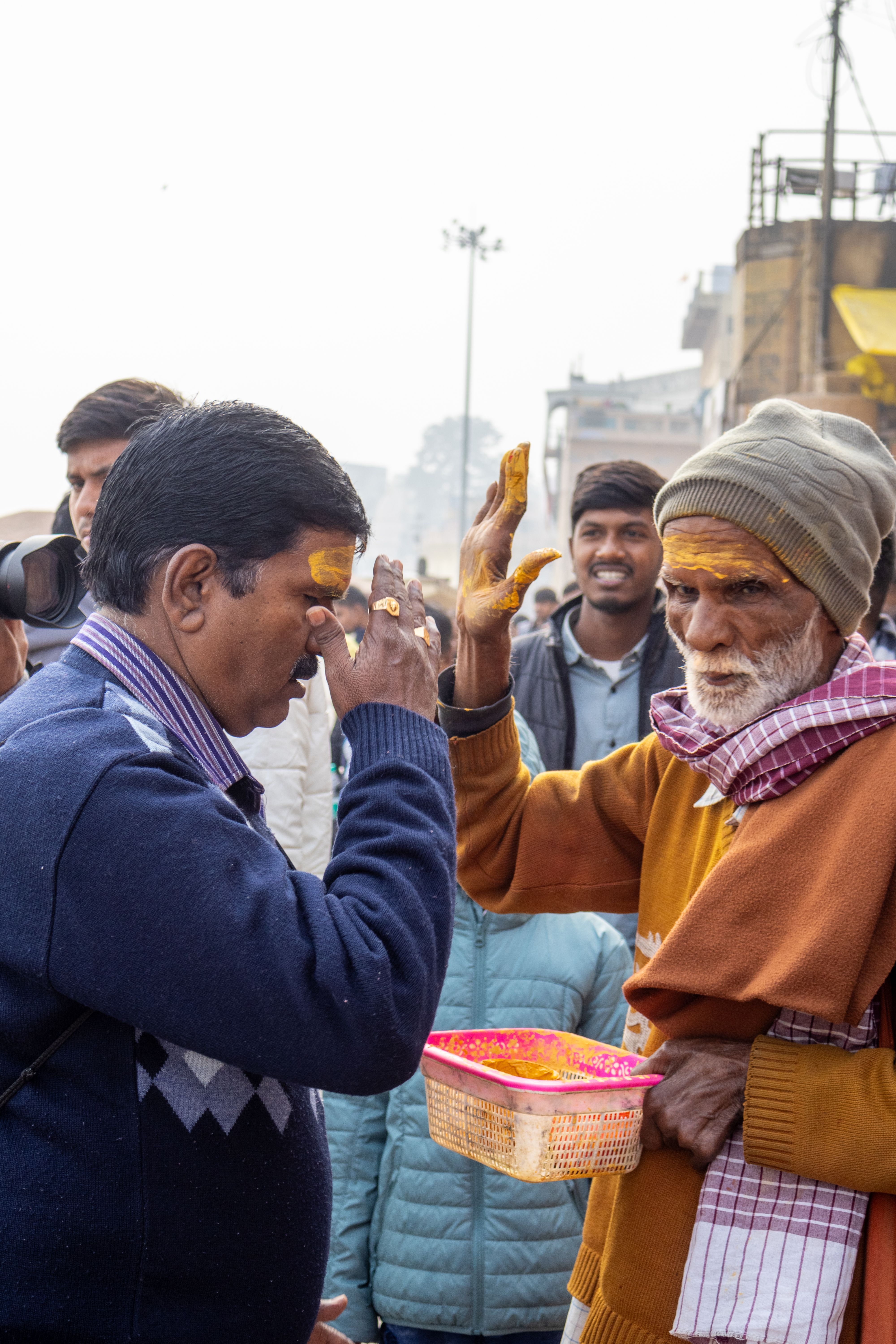
People apply sandalwood (chandan) tilak because of its natural cooling properties (Image: Pexels)
Who Can Apply Tilak?
Anyone can apply a tilak. It is not restricted to priests or temple workers. If you observe, in many Indian households, parents apply tilak on the foreheads of their children before school, or devotees apply it before beginning work.
Tilak is not a claim of moral superiority but a reminder of personal responsibility and one's commitment to living with faith, discipline, and righteousness.
Applying Tilak on the forehead is more than tradition. It is a sacred habit that is believed to calm the mind, shield against negativity, and bring a person closer to the divine.