
- By Anushka Shalya
- Fri, 31 Jul 2026 04:49 PM (IST)
- Source:JND
Sawan 2026: The holy month of Sawan, also known as Shravan, has begun in North India, where millions of devotees worship Lord Shiva and pray for peace, prosperity and spiritual growth. During this month, people observe fasts, perform Rudrabhishek, chant powerful Shiva mantras and engage in various spiritual activities to strengthen their connection with the divine.
Although Shravan is celebrated across India, its dates differ from one region to another, often creating confusion among devotees. This difference is because North India follows the Purnimanta lunar calendar and South and Western India follow the Amanta lunar calendar. As a result, devotees observe the same sacred traditions at different times.
Sawan Calendar Dates In North India
In North India, states like Rajasthan, Uttar Pradesh, Madhya Pradesh, Punjab, Himachal Pradesh, Uttarakhand, Chhattisgarh, Bihar and Jharkhand follow the Purnimanata Lunar calendar. For devotees in these states, Sawan 2026 is expected to be observed on the following dates:
Event | Date |
Sawan Month Begins | July 30, 2026 |
First Sawan Somwar Vrat | August 3, 2026 |
Second Sawan Somwar Vrat | August 10, 2026 |
Third Sawan Somwar Vrat | August 17, 2026 |
Fourth Sawan Somwar Vrat | August 24, 2026 |
Sawan Month Ends | August 28, 2026 |
Sawan Calendar Dates In South India
In South India, the states like Andhra Pradesh, Telangana, Goa, Maharashtra, Gujarat, Karnataka and Tamil Nadu follow the Amanta Lunar Calendar. For devotees in these states, Sawan 2026 is expected to be observed on the following dates:
Event | Date |
Sawan Month Begins | August 13, 2026 |
First Sawan Somwar Vrat | August 17, 2026 |
Second Sawan Somwar Vrat | August 24, 2026 |
Third Sawan Somwar Vrat | August 31, 2026 |
Fourth Sawan Somwar Vrat | September 7, 2026 |
Sawan Month Ends | September 11, 2026 |
ALSO READ: Shiv Chalisa Lyrics In Hindi And English: Know Benefits And Best Time To Chant During Sawan 2026

Lord Shiva is also known by the names 'Ashutosh' and 'Bholenath' (Image: Facebook/lordshivaandspirituality)
What To Offer On The Shivling On Each Sawan Somwar?
The four Mondays of Sawan are considered highly auspicious for worshipping Lord Shiva. Each Sawan Somwar has its own importance and is an opportunity to pray with devotion, seek inner transformation, and strengthen spiritual connection with Lord Shiva.
First Sawan Somwar Vrat- Pure water, bilva (Bel) leaves and white flowers, which symbolise peace, good health, and the removal of negativity.
Second Sawan Somwar Vrat – Milk and white flowers as they are believed to symbolise purity and peace.
Third Sawan Somwar Vrat – Honey and yoghurt (Curd) are offered while performing panchamrit abhishek. These offerings symbolise sweetness and nourishment.
Fourth Sawan Somwar Vrat – Sugar, ghee and fruits are offered with gratitude, while praying for prosperity, harmony, and overall well-being.
Apart from these offerings, devotees can also offer the following throughout the month of Sawan:
- Sandalwood paste
- White flowers
- Dhatura and Bhang
- Coconut
- Seasonal fruits
- Akshat (unbroken rice)
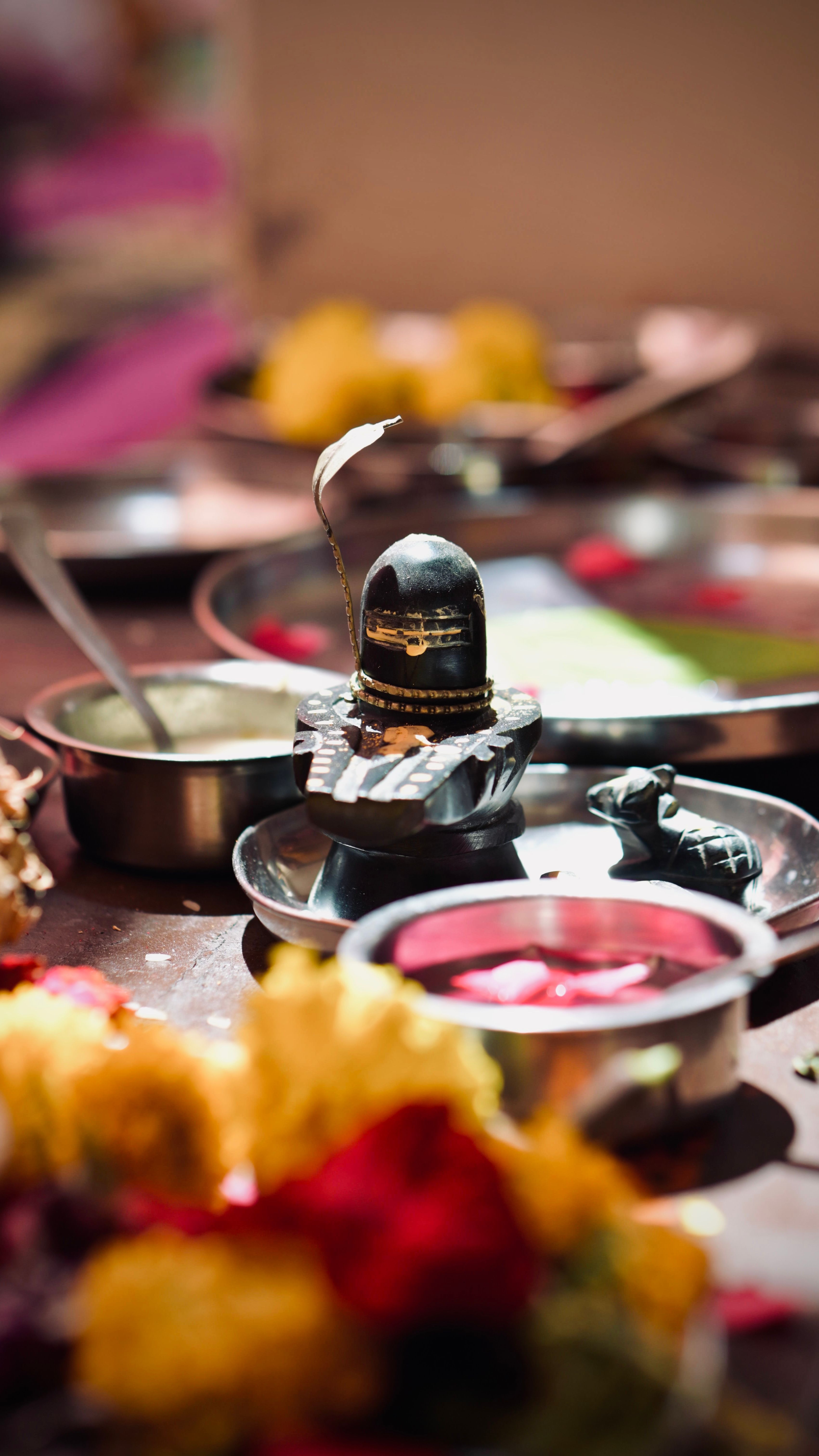
The four Mondays of Sawan are considered highly auspicious for worshipping Lord Shiva (Image: Pexels)
ALSO READ: Sawan 2026: Why Women Wear Green Bangles During The Holy Month?
It is advised that though Tulsi leaves are considered auspicious in many Hindu rituals, they are generally not offered to Lord Shiva. Instead, Bilva leaves (Bel patta) are considered the traditional and most sacred offering.
Lord Shiva is also known by the names 'Ashutosh' and 'Bholenath' is the only deity who is easily pleased. Even a simple offering made with love, humility, and devotion is considered more valuable than elaborate rituals performed without sincerity.