- By Anushka Shalya
- Wed, 26 Aug 2026 09:47 AM (IST)
- Source:JND
On 28th August, the last solar eclipse will take place. Chandra Grahan holds immense importance in Hinduism. This time, the eclipse is coinciding with Raksha Bandhan. Many people are confused about the Sutak period affecting Raksha Bandhan celebrations. Will the Lunar Eclipse be visible in India? And for how long will it be visible?
Let’s understand in detail when the last lunar eclipse of the year is visible and its effect on Raksha Bandhan.
What Is A Lunar Eclipse?
From an astronomical perspective, a lunar eclipse occurs when Earth moves between the Sun and the Moon, causing Earth's shadow to fall across the Moon.
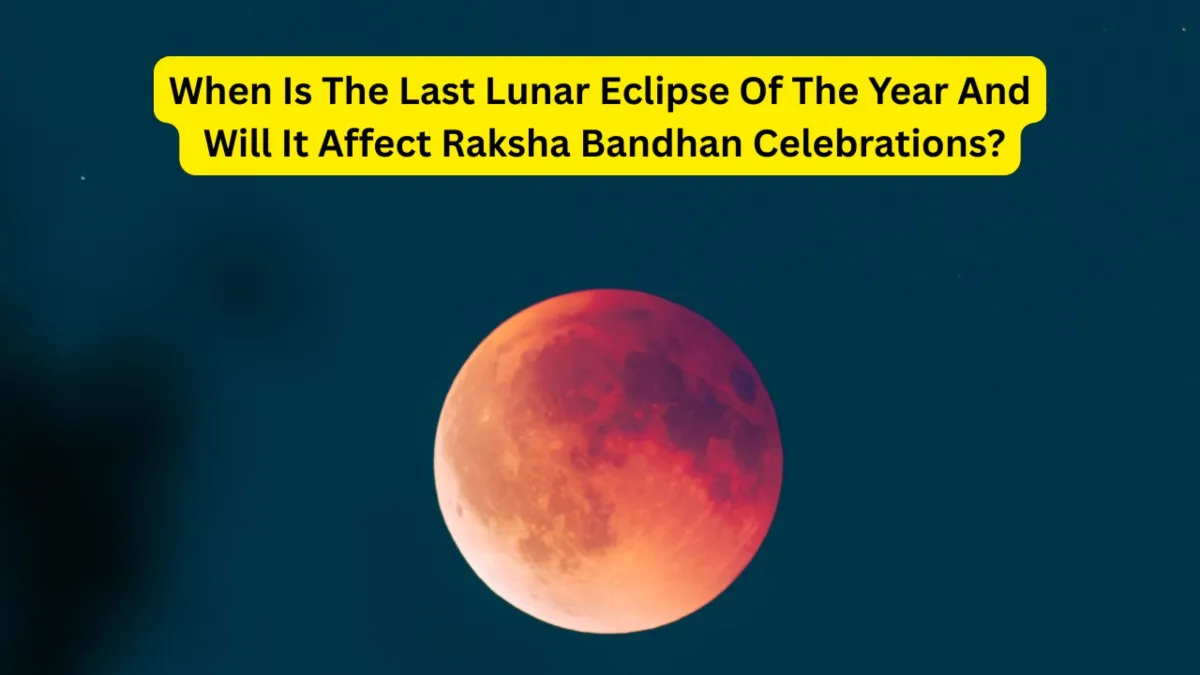
The lunar eclipse on August 28, 2026, will nearly cover 96.2% of the Moon's surface. It means most of the Moon will pass through Earth's central shadow, but the entire lunar disc will not be covered. The complete eclipse, including the penumbral phase, will last around 5 hours and 35 minutes.
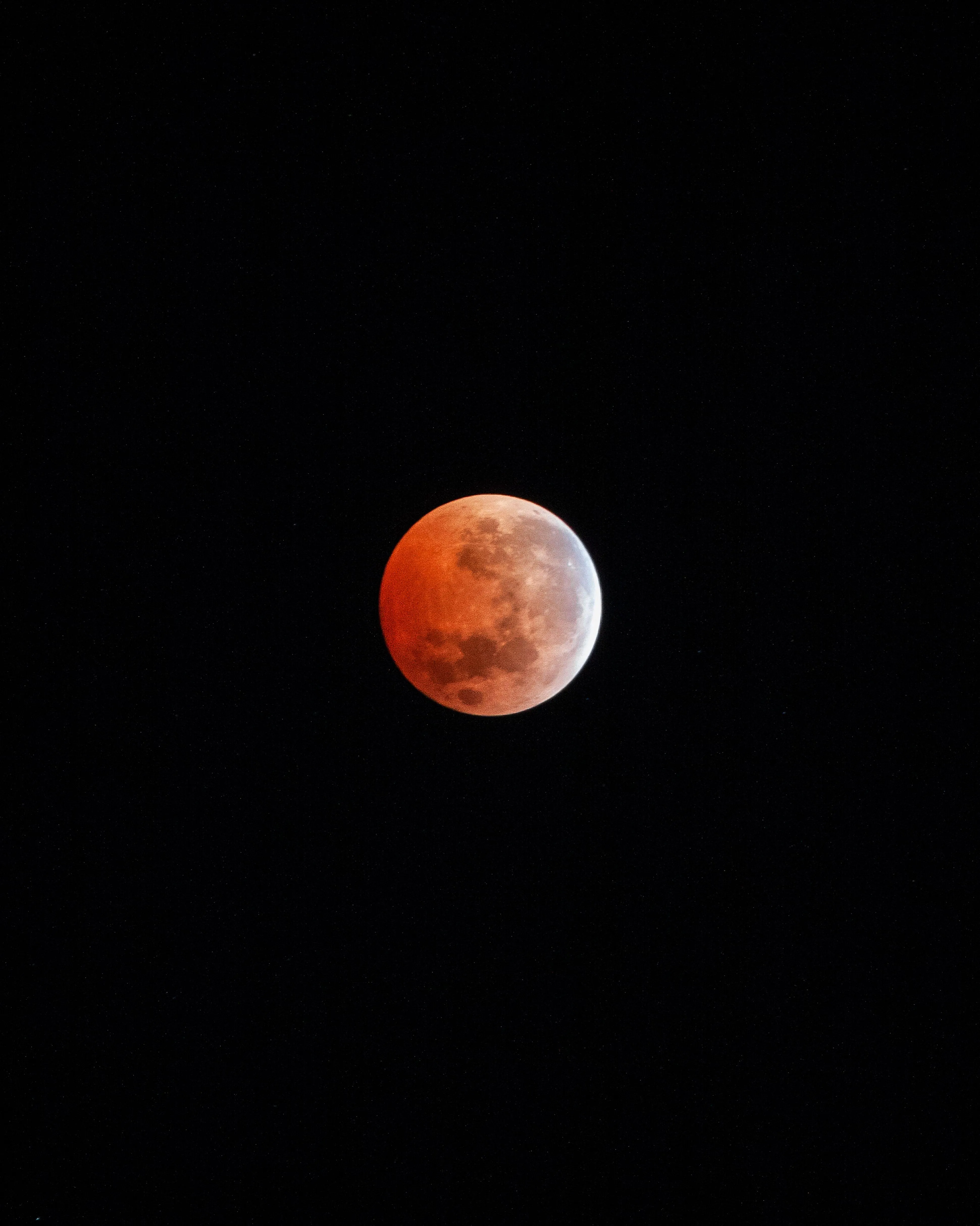
The lunar eclipse on August 28, 2026, will nearly cover 96.2% of the Moon's surface (Image: Pexels)
Chandra Grahan 2026: Date And Time In India
The Chandra Grahan will take place in India on August 28, 2026. This year, it coincides with Raksha Bandhan. According to Drik Panchang, the timings of the Chandra grahan are:
| Event | Time |
| Penumbral eclipse begins | 6:55 AM |
| Partial lunar eclipse begins | 8:04 AM |
| Maximum eclipse | 9:43 AM |
| Partial lunar eclipse ends | 11:21 AM |
| Penumbral eclipse ends | 12:30 PM |
Duration of Partial Phase - 3 Hours 16 Mins 37 Secs
Duration of Penumbral Phase - 5 Hours 35 Mins 44 Secs
Will Chandra Grahan Be Visible In India?
The lunar eclipse will not be visible in India as it will happen during the day. The solar eclipse will be visible in large parts of North and South America, and some regions of Europe, including the UK, will see it around dawn.
Will The Sutak Period Be Observed In India?
The Sutak period depends on the visibility of the eclipse in a particular region. As mentioned above, the lunar eclipse will not be visible from India, so according to Panchang, Sutak restrictions will not be applicable in India.
According to Hindu beliefs, the Sutak period is the time when all auspicious works are halted, food-related customs are restricted, and temple gates are closed. During this time, people indulge in spiritual activities.
Will Chandra Grahan Affect Raksha Bandhan Celebrations?
Raksha Bandhan and Chandra Grahan are on the same day. This has led to confusion in the minds of people about whether the eclipse will affect Raksha Bandhan. Since Chandra Grahan is not visible from India, it will not affect the festival, and people can continue the celebration at the auspicious time.
ALSO READ: Raksha Bandhan 2026: Why Is Rakhi Tied On The Right Wrist? Know The Tradition

Raksha Bandhan and Chandra Grahan are on the same day (Image: Pexels)
What Should You Do During Chandra Grahan?
Since Chandra Grahan will not be visible from India, special rituals related to the lunar eclipse are not required. The following are some practices that people traditionally follow during the Chandra Grahan:
- Chanting mantras or prayers
- Meditation
- Reading religious texts
- Taking a bath after the eclipse
- Donating food or other useful items
ALSO READ: Janmashtami 2026: Why Does Lord Krishna Wear A Morpankh? Know The Mythological Significance
Therefore, in India, people don’t have to worry about Chandra Grahan and can celebrate Raksha Bandhan according to their local Panchang and family tradition.
FAQs
1. What time is Chandra Grahan 2026 in India?
According to Drik Panchang, the eclipse in Indian Standard Time is from 6:55 AM to 12:30 PM, with the partial phase from 8:04 AM to 11:21 AM and maximum eclipse at 9:43 AM.
2. Is Sutak Kaal applicable for Chandra Grahan 2026 in India?
The lunar eclipse will not be visible from India, so according to Panchang, Sutak restrictions will not be applicable in India.