
- By Dr (Prof) Sadhana Kala
- Mon, 27 Apr 2026 12:46 PM (IST)
- Source:JNM
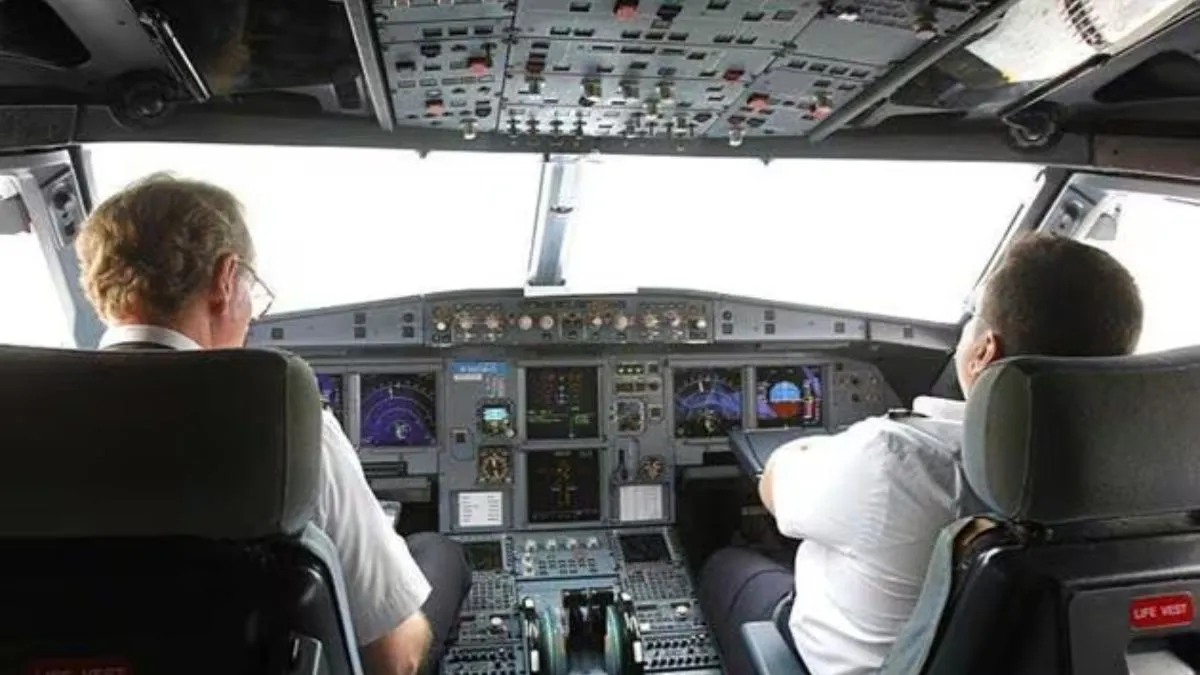
- Flying an aircraft is not simply about taking off and landing.
- Pilots combine technical expertise with mental resilience, teamwork, and an enduring dedication to safety.
- Pilots Day is an opportunity to recognise a profession that has transformed the modern world.
Every day, millions of people board aircraft with a simple expectation: to reach their destination safely, comfortably, and on time. Behind that confidence is a profession built on discipline, precision, and responsibility, the profession of flying. On Pilots Day 2026, we pause to celebrate the men and women who navigate the skies, carry families across continents, support trade, respond during emergencies, and make global mobility possible.
People often perceive pilots as glamorous figures, adorned in crisp uniforms, exuding a commanding presence, and experiencing the thrill of travel. But the reality of the profession goes far deeper. Flying an aircraft is not simply about taking off and landing. It is about mastering systems, managing risk, staying calm under pressure, and making critical decisions in constantly changing environments. Pilots combine technical expertise with mental resilience, teamwork, and an enduring dedication to safety.
Quiz
Why Pilots' Day Matters
Pilots Day is more than a symbolic celebration. It is an opportunity to recognise a profession that has transformed the modern world. Aviation has shortened distances, connected businesses, enabled tourism, reunited families, and opened educational and professional opportunities across borders. Pilots are the most important part of this network. They are trained professionals responsible for lives and livelihoods every time they step into the cockpit.
Commercial aviation alone moves billions of passengers every year. Beyond passenger travel, pilots transport medicines, vaccines, humanitarian aid, and essential cargo. During natural disasters, rescue missions and relief operations often depend on skilled aviators who can operate in difficult conditions.
Medical evacuation pilots save lives by reaching remote areas or quickly transporting critically ill patients. Military and defence pilots safeguard national interests. Agricultural pilots support farming. Test pilots help advance aerospace innovation. The role of pilots is vast, varied, and deeply valuable.
The Journey to the Cockpit
Becoming a pilot demands far more than passion for aeroplanes. It requires years of training, rigorous examinations, simulator practice, medical fitness, and continuous evaluation. Aspiring pilots must develop strong knowledge of aerodynamics, meteorology, navigation, aircraft systems, and aviation regulations. They also learn communication, crew coordination, and emergency procedures.
Even after earning their licenses, learning never stops. Pilots undergo recurrent training throughout their careers. Simulators recreate rare but critical situations such as engine failures, severe weather, or system malfunctions. This culture of constant preparation is one of aviation’s greatest strengths. Passengers may only see the smooth journey, but behind that smoothness lies countless hours of training and discipline.
The Human Side of Flying
While technology has transformed aviation, flying remains a deeply human profession. Aircraft today are equipped with advanced automation, navigation systems, and safety tools. Yet pilots continue to play the central role in judgment, leadership, and decision-making. They assess weather changes, manage unexpected delays, coordinate with air traffic control, and respond to any anomalies that arise.
Pilots also manage the emotional side of travel. A calm announcement from the cockpit can significantly alleviate the anxiety of nervous flyers. During turbulence or delays, passengers look to the flight crew for reassurance. Professionalism in the cockpit often creates confidence in the cabin.
ALSO READ: Census 2027: The Count That Counts | Opinion
However, there are sacrifices associated with being a pilot. Pilots work irregular hours, cross time zones, spend holidays away from family, and adapt to demanding schedules. Their dedication ensures the smooth functioning of the world, often at the expense of missing crucial moments at home.
India's Growing Aviation Story
Pilots Day 2026 comes at a significant time for India. The country’s aviation sector continues to expand rapidly, driven by rising incomes, stronger regional connectivity, growing tourism, and increased demand for air travel. New airports, fleet expansion, and modernisation efforts are reshaping the industry. As India strengthens its position as one of the world’s fastest-growing aviation markets, the need for highly trained pilots is greater than ever.
This growth also highlights the importance of investing in aviation education, flight training infrastructure, and safety systems. Encouraging young Indians to pursue careers in aviation can create jobs, strengthen connectivity, and support long-term economic development. For many students, the dream of becoming a pilot is no longer distant—it is a realistic and exciting career path.
Breaking Barriers in the Sky
One of the most inspiring aspects of modern aviation is the increasing diversity within the profession. More women are entering cockpits, taking command roles, and inspiring the next generation. India has often been recognised for having a comparatively strong representation of women pilots in commercial aviation, setting an example globally.
Still, there is room for progress. Expanding access to training, mentorship, scholarships, and awareness can help ensure that individuals from all backgrounds have the opportunity to pursue an aviation career. Pilots' Day is also a reminder that excellence in aviation knows no gender, geography, or social boundary.
Technology and the Future of Flying
Sustainability and innovation are shaping the future of aviation. Airlines and manufacturers are investing in fuel-efficient aircraft, sustainable aviation fuels, electric and hybrid technologies, and smarter operations to reduce emissions. Artificial intelligence and data analytics are improving maintenance and route planning.
Yet even in this future-forward environment, pilots remain essential. Technology can assist, but it cannot replace the combination of experience, situational awareness, ethics, and human judgment required in real-world operations. The pilot of the future will be both an aviator and a systems manager, highly skilled at working alongside intelligent machines while remaining the final authority in the cockpit.
A Salute to Those Who Fly
On Pilots' Day 2026, gratitude is in order. Gratitude for the captain guiding a night flight through changing weather. Gratitude for the first officer monitoring every detail with precision. Gratitude for the cargo pilot delivering urgent supplies. Gratitude for the rescue pilot flying toward danger when others are moving away.
ALSO READ: US-Iran Talks: Chronicle Of A Failure Foretold | Opinion
For passengers, a flight may be a routine journey. For pilots, every flight is a responsibility renewed. Every checklist completed, every briefing delivered, and every safe landing achieved reflects professionalism built over years of effort.
As the world becomes more connected and aviation continues to evolve, one truth remains constant: behind every successful flight is a trained professional carrying immense responsibility with skill and calm.
Today, we celebrate not just a career, but a calling.
Note: Dr (Prof) Sadhana Kala is a USA-trained robotic & laparoscopic surgeon, Uppsala University, Sweden, trained fertility specialist, Icon Endoscopic Surgeon of North India, and National Icon Endoscopic Surgeon of India. She is rated as India's Best Gynaecologist by Google.)
(Disclaimer: The views expressed in this article are the personal opinions of the author.)
You May Also Like To Watch: