
- By Aditya Sinha
- Thu, 12 Mar 2026 11:24 AM (IST)
- Source:JND
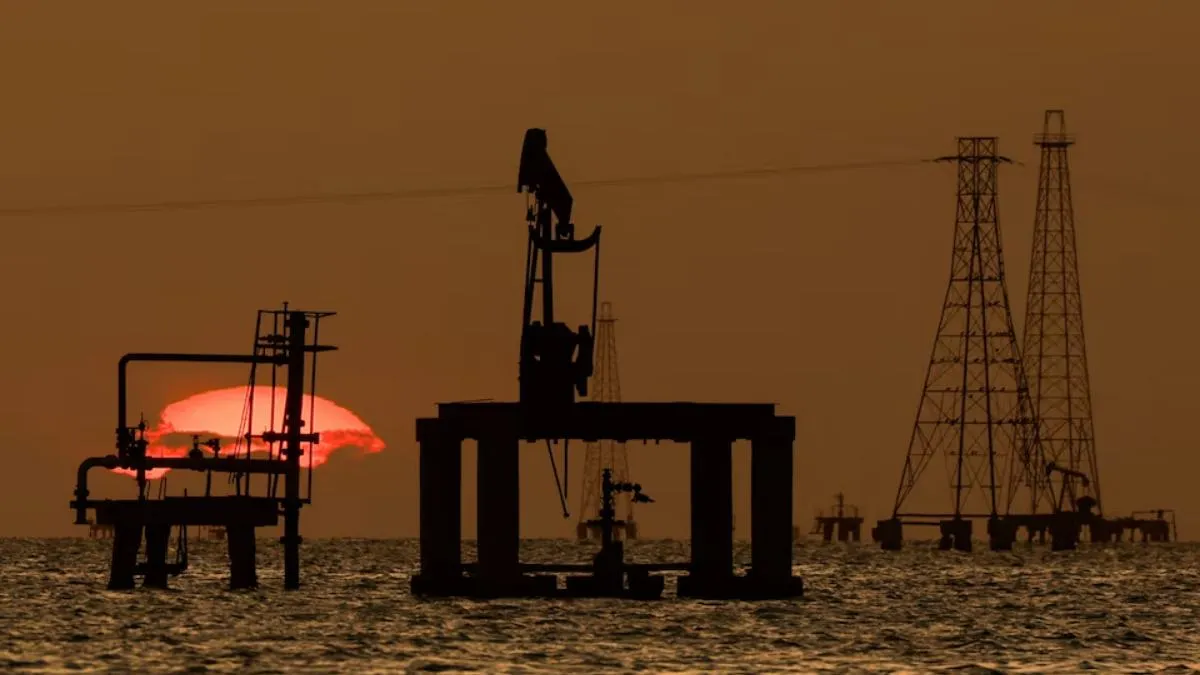
Imagine a bottle with a very narrow neck. Nearly one-fifth of all the oil and gas that moves around the world passes through that narrow neck — the Strait of Hormuz, a strip of water just 33 kilometres wide between Iran and Oman. Since the United States and Israel began strikes on Iran on February 27, that narrow neck has effectively been blocked. The consequences are now rippling across every economy on earth, including India's.
The Oil Price Rollercoaster
At the start of 2026, a barrel of Brent crude (the international benchmark for oil prices) was trading at around USD 60. By Monday, March 9, it had touched USD 119.50, an increase of nearly 100 per cent in roughly two months. The last time oil was this expensive was June 2022, few months after Russia-Ukraine war started.
Why did it jump so fast? Because roughly 10 to 11 million barrels of crude per day that normally flows out through Hormuz has been halted. Iraq, Kuwait and the United Arab Emirates have all cut production because they cannot ship their oil out. Saudi Aramco, the world's largest oil company, was forced to reroute exports through its Red Sea port of Yanbu, and even so, it can only move about 5 million barrels per day instead of its normal 7 million. In total, about 20 per cent of global oil supply has been disrupted.
ALSO READ: LPG Crisis: 40% Of Mumbai Eateries Face Shutdown, Delhi High Court Canteen Suspends Meals
By Tuesday, March 10, prices had fallen back to around USD 87-92 per barrel, partly because US President Donald Trump said the war was "very complete" and "ahead of schedule". But as analysts at ING noted bluntly: "Trump's words will only go so far. The market needs to see a resumption of oil flows through the Strait of Hormuz."
So what happens next? Analysts offer two clear scenarios. If the war ends quickly, oil could fall back to USD 65 per barrel. But if the conflict drags on and energy infrastructure in the Gulf is severely damaged, Brent crude could average USD 150 per barrel over the next six months. That is not a typo. Even under the optimistic scenario from DBS Group, Brent crude will remain at USD 75-80 per barrel through 2026, well above pre-war levels.
For India, which imports about 85 per cent of its crude oil, every USD 10 rise in crude prices adds roughly USD 12-15 billion to the annual import bill. It pushes up petrol, diesel, and cooking gas prices, raises the cost of transport, manufacturing and food. Inflation climbs. The Reserve Bank of India's room to cut interest rates shrinks.
The Gas Crisis Nobody Is Talking About
If oil has grabbed the headlines, the LNG (liquefied natural gas) story is arguably more alarming in the long run.
Qatar's Ras Laffan facility, the single largest LNG export terminal on earth, has been shut down after drone strikes. Qatar alone supplies roughly 20 per cent of all the LNG traded globally. Combined with the Abu Dhabi outage, approximately 20 per cent of global LNG supply has vanished from the market. Every single day the disruption continues, three Qatari LNG cargo ships that would normally be sailing to customers in Europe and Asia are simply not moving.
Europe is desperate for LNG to refill storage tanks emptied over winter. Asia is heading into a hot summer with rising air-conditioning demand. At least 9 LNG cargoes that were originally headed to Europe have already diverted to Asia, sparking a bidding war. Global LNG imports last week were down 26 per cent from the previous week.
Can the United States or Australia step in? Both are already operating at full capacity. There is no spare tap to turn on. Morgan Stanley estimates that if Qatar's outage lasts more than one month, the global LNG market will tip into a supply deficit. Rabobank's calculation is even tighter: roughly five weeks before the expected surplus turns into a shortage.
What This Does to Stock Markets
When oil spikes, stock markets fall, and this time has been no different. Since the war began, India's Sensex has dropped over 5,100 points, or 6.31 per cent. In the US, the S&P 500 fell 1.3 per cent on March 9 alone. Germany's DAX dropped 1.6 per cent, and London's FTSE 100 fell 1.3 per cent. Asian markets tumbled sharply on Monday morning.
The reason is straightforward. Higher oil means higher costs for airlines, factories, logistics companies, and farmers. Higher costs mean lower profits. Lower profits mean lower share prices. For India specifically, the Nifty50 and crude oil have a historically inverse relationship, when crude rises, Indian markets tend to fall.
The good news is that history suggests patience pays. Every previous geopolitical shock, wars, pandemics, financial crises, eventually passed, and markets recovered fully and then some. Analysts advise against panic-selling and against stopping monthly SIP investments, which continue to flow above Rs 20,000 crore per month even now. Sectors like banking, pharmaceuticals, defence and telecom are expected to be relatively insulated.
The bad news is that nobody knows how long this war lasts. And even when the war will be over some of the after effects of war will linger. The Strait of Hormuz has been closed before. It has never stayed closed this long.
The bottle's neck is still blocked. The world is waiting to see how much pressure builds up before someone finds a way to reopen it.
(Note: The author is a public policy analyst and the views expressed in the article are his own.)