
- By Dr (Prof) Sadhana Kala
- Fri, 24 Apr 2026 03:31 PM (IST)
- Source:JNM
Governance begins at the grassroots. While Parliament and state assemblies often dominate headlines, the real pulse of democracy can be felt in villages, where local representatives make decisions that directly affect everyday lives.
National Panchayati Raj Day is a reminder that democracy is strongest when people are not just voters but active participants in governance. The day celebrates local self-government, community leadership, and the notion that local needs and voices drive the best development.
Why April 24 Matters
The day marks the constitutional recognition of Panchayati Raj Institutions through the 73rd Constitutional Amendment Act, 1993. This landmark reform gave constitutional status to rural local bodies and laid the foundation for decentralised governance across India.
The amendment transformed village councils from informal administrative structures into legally empowered institutions. It introduced regular elections, fixed tenures, financial provisions, and greater accountability. Most importantly, it brought governance closer to citizens.
Since then, Panchayati Raj has evolved into one of the world's largest experiments in local democracy, with lakhs of elected representatives serving across villages, blocks, and districts.
What Is Panchayati Raj?
The Panchayati Raj system is a three-tier structure of rural governance:
- Gram Panchayat at the village level
- Panchayat Samiti at the block level
- Zila Parishad at the district level
Together, these institutions plan and implement development programs, address local concerns, and create platforms for public participation. Their responsibilities often include:
- Rural roads and sanitation
- Drinking water supply
- Housing schemes
- Local markets and infrastructure
- Primary education support
- Health and nutrition initiatives
- Welfare delivery
- Social justice and dispute resolution
For millions of Indians, the Panchayat is the first and most accessible point of contact with the government.
Democracy at the Doorstep
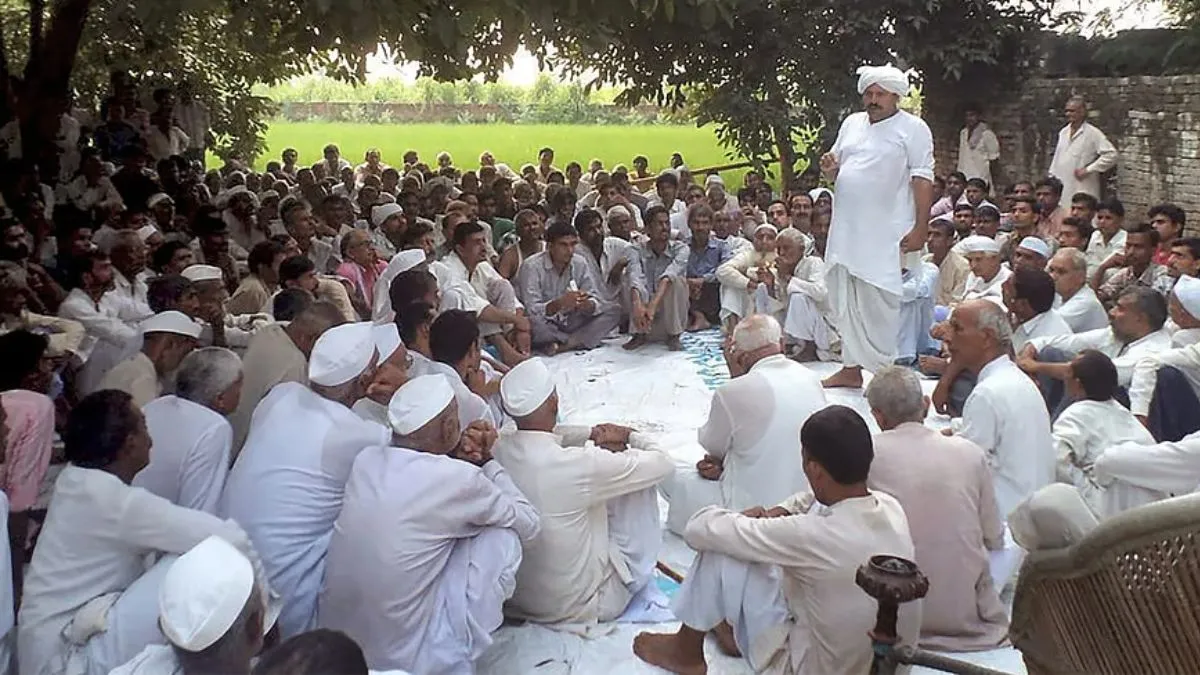
One of the greatest strengths of Panchayati Raj is accessibility. A villager may never visit a state secretariat or national ministry, but they can attend a Gram Sabha meeting, meet elected members, and raise concerns directly.
This direct connection builds trust and responsiveness. Whether it is a broken handpump, a road in need of repair, or access to a welfare scheme, local governance enables faster identification of problems and more practical solutions.
The Gram Sabha, a gathering of registered voters in the village, is central to this model. It provides citizens with the right to question, suggest, and approve plans and to hold elected representatives accountable. In many ways, it is democracy in its purest form.
Women at the Heart of Local Leadership
One of the most transformative outcomes of Panchayati Raj has been the political participation of women. Constitutional reservations for women in Panchayats have provided millions of historically excluded individuals with the opportunity to lead.
Today, women, sarpanches, and elected members are shaping conversations on sanitation, education, healthcare, livelihoods, and safety. Across the country, stories have emerged of women leaders improving school attendance, strengthening self-help groups, promoting nutrition, and ensuring transparency in welfare delivery.
Their presence has not only changed governance outcomes but also social attitudes. Young girls in rural India now grow up seeing women in positions of authority, a powerful shift with long-term impact.
The Digital Turn in Rural Governance
Technology is redefining how Panchayats function. From online records and digital payments to geo-tagged assets and e-governance platforms, local institutions are becoming more transparent and efficient.
Digital tools help track public works, manage funds, monitor schemes, and reduce leakages. Citizens can increasingly access information on entitlements, development plans, and grievance systems without depending entirely on intermediaries.
The rise of internet connectivity and smartphone access in rural India has also strengthened awareness. Citizens are more informed, more connected, and more willing to participate in governance processes than ever before.
Challenges That Remain
Despite remarkable progress, Panchayati Raj institutions continue to face challenges. Many local bodies need greater financial autonomy and timely transfers of funds. Capacity building is still very important, especially for new representatives who may not have worked in government before.
In some regions, social hierarchies and political interference can weaken genuine participation, leading to ineffective community involvement in decision-making and undermining the overall development goals of local governance.
Also, planning at the local level needs to be strengthened so that Panchayats are not merely implementing agencies but true decision-making institutions capable of shaping long-term development strategies.
Addressing these challenges requires sustained policy support, training, digital inclusion, and stronger citizen engagement to ensure that local governance structures like Panchayati Raj can effectively empower communities and enhance participatory decision-making.
Why Panchayati Raj Matters in Today's India
As India moves toward becoming a major global economy, development cannot remain top-down. Real progress must be inclusive, participatory, and rooted in local realities.
No two villages are identical. Their needs differ based on geography, climate, livelihoods, and demographics. Panchayati Raj allows solutions to be tailored rather than imposed. What works in a drought-prone region may differ from what works in a flood-affected or tribal area.
This flexibility makes local governance essential in tackling issues such as climate resilience, water management, rural employment, waste management, and social welfare.
In an age when citizens expect faster delivery and greater accountability, empowered Panchayats can become engines of responsive governance by adapting their strategies to local conditions and engaging communities in decision-making.
A Day to Reflect and Renew
National Panchayati Raj Day is not just about celebrating institutions; it is about reaffirming faith in citizen-led democracy. It reminds us that governance is not confined to capitals or corridors of power. It lives in village meetings, community decisions, and everyday acts of participation.
The future of India will be shaped not only by national policies and global ambitions but also by the strength of its villages and the vitality of its local institutions.
When a village receives clean drinking water because residents demanded action, when a road is built through collective planning, and when a woman sarpanch transforms her community, democracy becomes real.
That is the spirit of National Panchayati Raj Day, a celebration of power shared, voices heard, and progress built from the ground up.
(Note: Dr (Prof) Sadhana Kala is a USA-trained robotic & laparoscopic surgeon, Uppsala University, Sweden, trained fertility specialist, Icon Endoscopic Surgeon of North India, and National Icon Endoscopic Surgeon of India. She is rated as India's Best Gynaecologist by Google.)
(Disclaimer: The views expressed in this article are the personal opinions of the author.)