
- By Dr (Prof) Sadhana Kala
- Thu, 16 Jul 2026 12:13 PM (IST)
- Source:JNM
Energy has always been the invisible force behind human progress. It lights our homes, powers industries, fuels transportation, and increasingly drives the digital economy. Yet for much of modern history, countries have depended heavily on imported fossil fuels, making them vulnerable to volatile prices, supply disruptions, and geopolitical conflicts.
Global Energy Independence Day, observed annually on July 10, serves as a reminder that true national resilience begins with energy security. It encourages governments, businesses, and individuals to reduce dependence on imported fossil fuels by embracing renewable energy, improving efficiency, and investing in sustainable technologies.
In an era marked by climate change, international conflicts, and rapidly growing energy demand, the idea of energy independence is no longer an environmental ideal; it has become an economic and strategic necessity.
What Does Energy Independence Mean?
Energy independence refers to a nation's ability to meet most or all of its energy needs using domestic resources. These resources may include renewable energy such as solar, wind, hydropower, biomass, and geothermal energy, as well as locally available conventional resources.
Complete energy independence is difficult for most countries. Instead, policymakers increasingly focus on energy security, ensuring a reliable, affordable, and sustainable supply of energy while reducing vulnerability to external shocks.
Today's concept of energy independence goes beyond producing more oil or coal. It includes diversifying energy sources, modernising electricity grids, expanding energy storage, electrifying transport, and making energy consumption more efficient.
Why the World Is Rethinking Energy
The global energy landscape has changed dramatically over the past decade. The COVID-19 pandemic exposed vulnerabilities in global supply chains. The Russia-Ukraine conflict disrupted natural gas supplies across Europe, sending energy prices soaring. Extreme weather events linked to climate change have further stressed the urgent need for cleaner, more resilient energy systems.
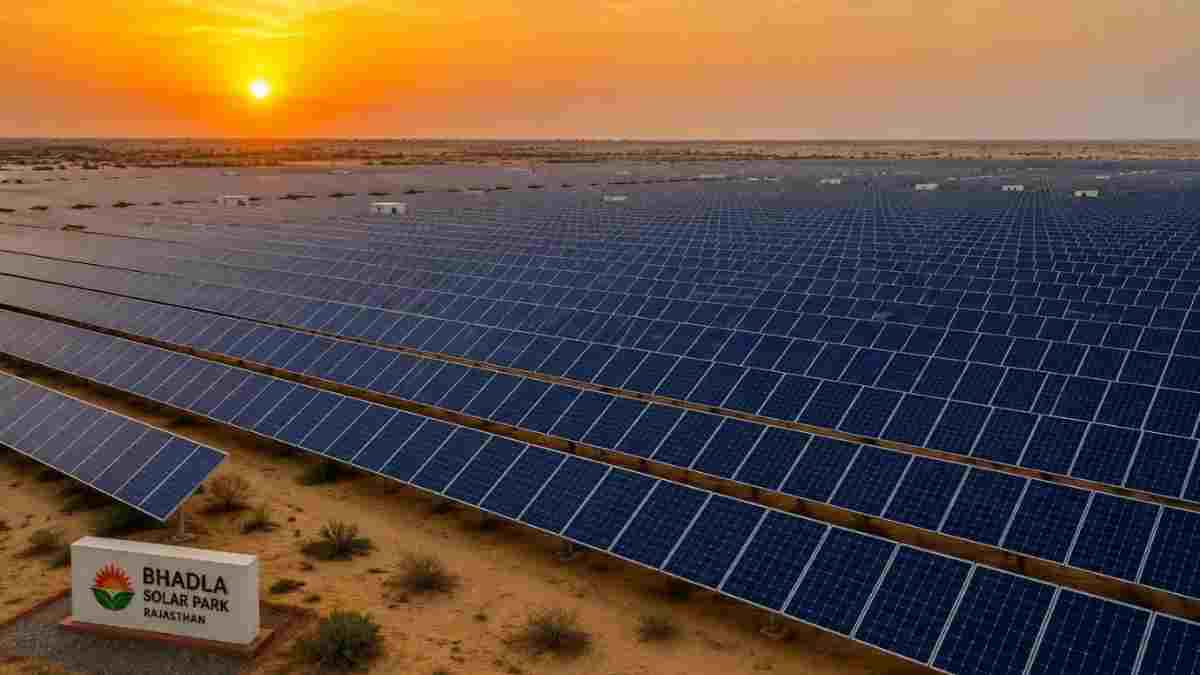
(Bhadla Solar Park, Rajasthan)
Meanwhile, renewable energy technologies have become significantly cheaper. The cost of solar panels has fallen dramatically over the last decade, while wind energy has become one of the world's most competitive sources of electricity. Advances in battery technology are making renewable energy available even when the sun isn't shining or the wind isn't blowing.
These developments have transformed renewable energy from an environmental choice into an economic advantage.
India's Journey Towards Energy Independence
India, the world's fastest-growing major economy, has one of the most ambitious energy transition programs anywhere. The country's energy demand continues to rise rapidly due to urbanisation, industrialisation, and improving living standards. Historically, India has depended heavily on imported crude oil and natural gas, making it vulnerable to fluctuations in global prices.
Recognising this challenge, India has launched several initiatives to strengthen energy security. The country has emerged as one of the world's largest producers of renewable energy. Massive solar parks across states such as Rajasthan and Gujarat, expanding wind farms in Tamil Nadu and Karnataka, and increasing rooftop solar installations are changing India's energy landscape.
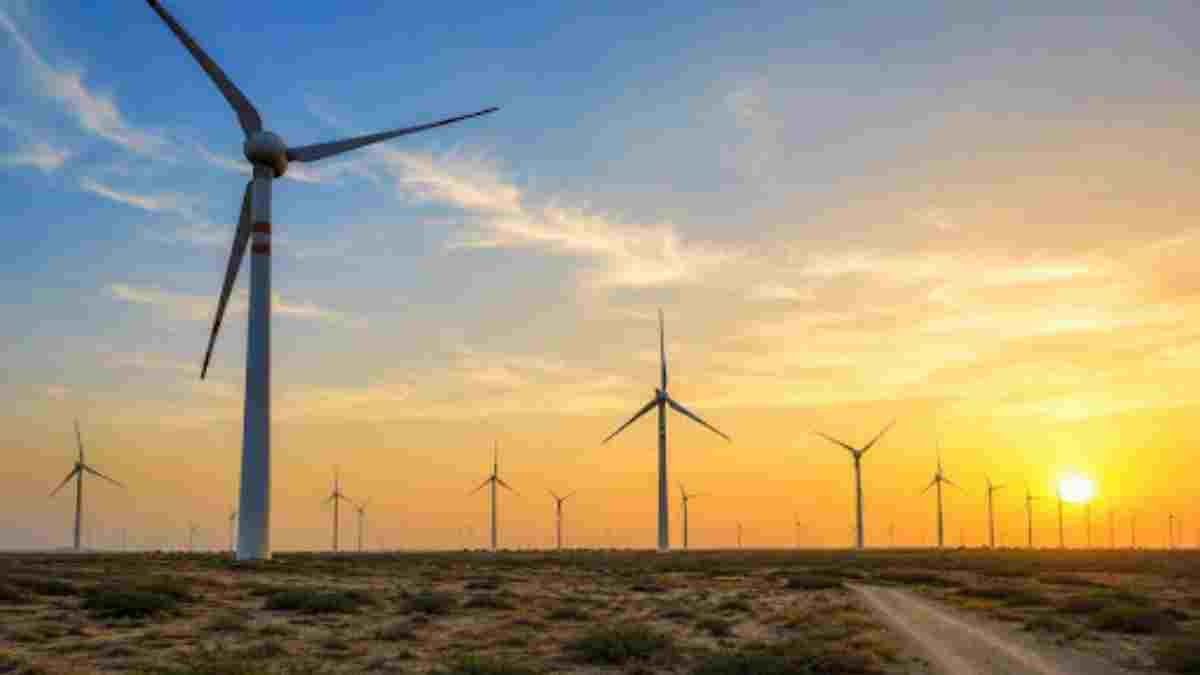
(Khavda Renewable Energy Park, Gujarat
The government has also promoted electric vehicles, energy-efficient appliances, biofuels, ethanol blending, and green hydrogen as part of a broader strategy to reduce fossil fuel dependence. India's participation in the International Solar Alliance, co-founded with France, has further demonstrated its commitment to making solar energy accessible worldwide.
Solar Power: India's Brightest Opportunity
Few countries are as well positioned for solar energy as India. With abundant sunshine throughout the year across much of the country, solar energy offers an opportunity to generate clean electricity at competitive costs. Large-scale solar parks have become increasingly common, while rooftop solar installations are empowering households, schools, hospitals, and businesses to generate their own electricity.
Solar pumps are also transforming agriculture by helping farmers reduce dependence on diesel-powered irrigation. As battery storage becomes more affordable, solar energy could play an even greater role in ensuring reliable round-the-clock power.
Wind, Water, and Green Hydrogen
While solar dominates headlines, other renewable technologies are equally important. India's wind energy sector continues to expand, particularly in coastal and southern states. Hydropower remains a valuable source of clean electricity and provides flexibility to balance renewable energy generation.
One of the most exciting frontiers is green hydrogen, hydrogen produced using renewable electricity instead of fossil fuels. Green hydrogen has the potential to decarbonise industries such as steel, fertilisers, shipping, and aviation that are difficult to electrify directly. India aims to become a global hub for green hydrogen production, opening new opportunities for exports, manufacturing, and employment.
Energy Efficiency Matters Too
Producing clean energy is only part of the solution. Using energy wisely is equally important.
Energy-efficient buildings, LED lighting, smart appliances, improved public transport, electric mobility, and modern industrial technologies can significantly reduce overall energy demand.
India's successful LED lighting program has already demonstrated how simple policy interventions can deliver substantial energy savings while reducing electricity bills for millions of households. Energy independence isn't only about producing more energy—it is also about wasting less.
Challenges on the Road Ahead
Despite remarkable progress, significant challenges remain. Renewable energy generation is intermittent, requiring better battery storage and smarter electricity grids. Land acquisition for large renewable projects can be difficult.
Critical minerals are essential for batteries and clean energy technologies. A few countries continue to concentrate critical minerals essential for batteries and clean energy technologies, leading to new strategic dependencies.
The transition must also ensure affordable electricity for consumers while protecting jobs in traditional energy sectors. Balancing economic growth, energy security, and environmental sustainability will require continuous innovation and thoughtful policymaking.
What Can Citizens Do?
Energy independence is not solely the responsibility of governments. Every individual can contribute by adopting sustainable habits. Installing rooftop solar panels where feasible, purchasing energy-efficient appliances, using public transport, conserving electricity, reducing fuel consumption, and supporting clean technologies all help reduce overall energy demand. Small behavioural changes multiplied across millions of households can create a significant national impact.
Why This Day Matters
Global Energy Independence Day reminds us that energy choices influence far more than electricity bills. They affect national security, economic competitiveness, public health, employment, environmental sustainability, and even international diplomacy.
Countries that invest today in renewable energy, innovation, and resilient infrastructure will be better prepared for tomorrow's uncertainties. For India, energy independence represents an opportunity to strengthen its economy while addressing climate change and improving the quality of life for over 1.4 billion people.
The journey will not be simple, but it offers enormous rewards—cleaner air, reduced import bills, new industries, skilled jobs, and greater resilience against global crises.
As the world accelerates towards a low-carbon future, Global Energy Independence Day is more than a symbolic observance. It is a call to rethink how we produce, consume, and value energy.
Because in the twenty-first century, the strongest nations may not be those with the largest fossil fuel reserves but those that can harness the limitless power of the sun, wind, water, and human innovation. The future of energy is clean, local, and resilient—and, increasingly, independent.
(Note: Dr (Prof) Sadhana Kala is a USA-trained robotic & laparoscopic surgeon, Uppsala University, Sweden, trained fertility specialist, Icon Endoscopic Surgeon of North India, and National Icon Endoscopic Surgeon of India. She is rated as India's Best Gynaecologist by Google.)
(Disclaimer: The views expressed in this article are the personal opinions of the author.)