
- By Dr Sadhana Kala
- Fri, 21 Aug 2026 12:02 PM (IST)
- Source:JND
World Senior Citizens’ Day, August 21, acknowledges the achievements, sacrifices, and wisdom of senior citizens while raising awareness about the challenges they face.
In India, where the social fabric has long woven respect for elders, the day holds special significance. Yet, as society undergoes rapid economic, technological, and cultural changes, many senior citizens find themselves grappling with loneliness, financial insecurity, health concerns, and social isolation. World Senior Citizens’ Day is therefore not only a celebration but also a reminder of our collective responsibility to ensure dignity, care, and inclusion for older generations.
India’s Growing Elderly Population
India is experiencing a demographic transformation. According to government estimates, the country is home to more than 150 million people aged 60 years and above, a number expected to rise significantly in the coming decades.
Improvements in healthcare, nutrition, and living standards have increased life expectancy, allowing more people to live longer than ever.
By 2050, one in every five Indians could be a senior citizen. This shift presents both opportunities and challenges. Older adults possess a wealth of knowledge, experience, and cultural memory that can benefit society. At the same time, policymakers, families, and communities must prepare for increased demands on healthcare systems, social security programs, and elder care services.
The ageing of India is not merely a statistic; it represents millions of individuals who have spent decades building families, communities, and the nation itself.
The Wisdom That Shapes Generations
Senior citizens are often described as society’s living libraries. Their experiences span eras of remarkable change—from handwritten letters to smartphones, from limited healthcare facilities to advanced medical technologies, and from traditional occupations to the digital economy.
Grandparents and elderly family members often serve as custodians of values, traditions, and life lessons. They pass on stories, cultural practices, and moral teachings that help younger generations understand their roots.
In professional and community settings, retired teachers, doctors, engineers, administrators, and entrepreneurs continue to mentor younger people. Their insights, forged through years of experience, often offer perspectives that cannot be found in textbooks or online courses.
World Senior Citizens’ Day offers an opportunity to recognise that ageing is not merely a process of decline; it is also a stage of life rich with wisdom, perspective, and resilience.
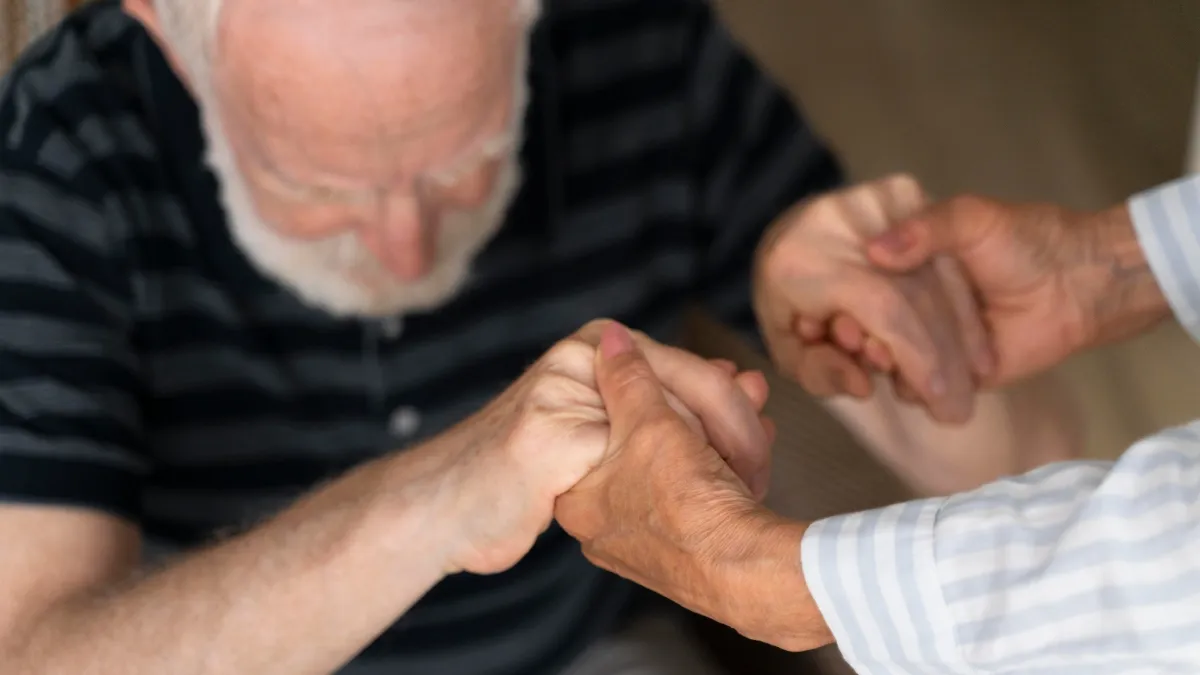
By 2050, one in every five Indians could be a senior citizen (Image:Maginific)
Challenges Faced by Senior Citizens
Despite their contributions, many senior citizens face significant challenges.
Health Concerns
Ageing is often accompanied by chronic conditions such as diabetes, hypertension, arthritis, cardiovascular disease, and cognitive disorders. Access to affordable, high-quality healthcare remains a concern for many elderly individuals, particularly in rural areas.
Regular medical check-ups, preventive care, and mental health support are crucial for ensuring healthy ageing. However, financial constraints and inadequate healthcare infrastructure can make these services difficult to access.
Loneliness and Social Isolation
One of the most pressing yet often overlooked challenges facing older adults is loneliness. Urbanisation, migration, and changing family structures have resulted in many older adults living alone.
Studies have shown that social isolation can increase the risk of depression, anxiety, cognitive decline, and even physical illness. For seniors, meaningful social connections are as important as medical care.
Financial Insecurity
While some retirees enjoy stable pensions and savings, many senior citizens depend on family support or continue working beyond retirement age due to financial necessity.
Rising healthcare costs and inflation can place additional burdens on elderly households. Expanding social security coverage and financial literacy programs remains essential for safeguarding the well-being of older adults.
Digital Exclusion
As services increasingly move online, many seniors struggle with digital technologies. From online banking to telemedicine appointments, digital literacy has become a necessity.
Bridging the digital divide can help senior citizens remain connected, independent, and engaged in modern society.
Also Read: High-Interest Fixed Deposits For Senior Citizens: These Small Finance Banks Offer Over 8%
The Importance of Healthy Ageing
Healthy ageing is about more than simply living longer; it is about maintaining physical, mental, and social well-being throughout later life.
Experts recommend several strategies to promote healthy ageing:
Regular physical activity such as walking, yoga, or light exercise.
A balanced and nutritious diet rich in fruits, vegetables, and whole grains.
Adequate sleep and stress management.
Routine medical screenings and preventive healthcare.
Active social engagement with family, friends, and community groups.
Lifelong learning and participation in hobbies or creative pursuits.
India’s growing focus on preventive healthcare and wellness offers opportunities to support seniors in leading active and fulfilling lives.
The Role of Families
In Indian culture, the family has traditionally been the primary source of support for elderly individuals. While modern lifestyles have altered family dynamics, the importance of emotional connection remains unchanged.
Simple acts—spending time together, listening to stories, seeking advice, and involving seniors in family decisions—can make a profound difference. Respect and affection are often more meaningful than material gifts.
Younger generations can also help seniors navigate technology, access healthcare services, and stay connected with friends and relatives. Intergenerational relationships enrich both sides, creating opportunities for learning and mutual understanding.
World Senior Citizens’ Day reminds us that caring for elders is not merely a duty; it is an expression of gratitude for the sacrifices they have made throughout their lives.
Building an Age-Friendly Society
Creating a society where seniors can thrive requires collective effort.
Governments can strengthen healthcare infrastructure, expand pension schemes, and improve access to elder care services. Urban planners can design age-friendly public spaces with accessible transportation, parks, and community centres.
Businesses can support older adults through flexible employment opportunities and products tailored to their needs. Educational institutions and civil society organisations can encourage intergenerational programs that foster understanding and social inclusion.
Technology companies also have a role to play by designing user-friendly digital tools that are accessible to people of all ages.
An age-friendly society benefits everyone, not just older adults. After all, ageing is a journey that most of us hope to undertake.
Celebrating Senior Citizens
There are many meaningful ways to observe World Senior Citizens’ Day:
Spend quality time with elderly family members.
Volunteer at senior citizen homes or community centres.
Organise health camps and wellness programs.
Teach digital skills to older adults.
Record family histories and life stories shared by grandparents.
Recognise the achievements of senior citizens in workplaces and communities.
These small gestures can help seniors feel valued, respected, and connected.
A Day of Gratitude and Reflection
World Senior Citizens’ Day is ultimately a celebration of lives lived with purpose, perseverance, and dedication. It is a reminder that every senior citizen carries a unique story—one shaped by challenges overcome, lessons learned, and contributions made to family, community, and nation.
As India moves toward becoming an ageing society, the need to honour and support older adults has never been greater. Their wisdom can guide us, their experiences can inspire us, and their resilience can teach us how to face an uncertain future with courage.
On this World Senior Citizens’ Day, let us pause to thank the elders who have shaped our lives. Beyond words, let us commit ourselves to building a society where every senior citizen can age with dignity, security, optimal health, and a sense of belonging.
After all, how a society treats its elderly is one of the clearest measures of its humanity.
(Note: Dr (Prof) Sadhana Kala is a USA-trained robotic & laparoscopic surgeon, Uppsala University, Sweden, trained fertility specialist, Icon Endoscopic Surgeon of North India, and National Icon Endoscopic Surgeon of India. She is rated as India's Best Gynecologist by Google.)
(Disclaimer: The views expressed in this article are the personal opinions of the author.)