- By Dr Sadhana Kala
- Wed, 19 Aug 2026 12:31 PM (IST)
- Source:JND
Many individuals risk their safety and comfort to provide aid, relief, healthcare, shelter, food, and hope to people affected by conflicts, disasters, and crises. Their work often unfolds far from the spotlight yet has a profound impact on millions of lives.
In an era marked by wars, climate-related disasters, displacement, disease outbreaks, and humanitarian emergencies, the role of aid workers has never been more critical.
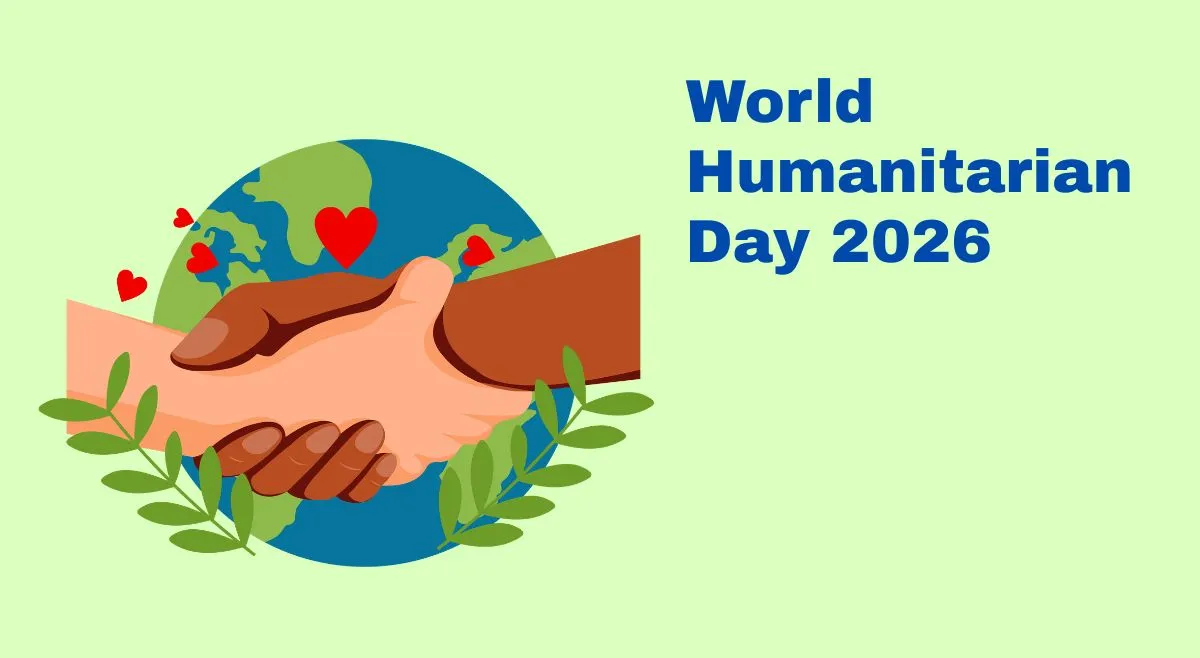
World Humanitarian Day, observed every year on August 19, recognises these dedicated humanitarian workers. The Day offers an opportunity not only to celebrate the courage of these workers but also to reflect on the growing challenges facing humanitarian efforts worldwide.
The Origins of World Humanitarian Day
World Humanitarian Day traces its roots to a tragic event that shook the international community. On August 19, 2003, a bomb attack on the Canal Hotel in Baghdad, Iraq, killed 22 humanitarian workers, including Sergio Vieira de Mello, the United Nations Special Representative in Iraq. The attack highlighted the risks faced by humanitarian personnel operating in conflict zones.
In 2008, the United Nations General Assembly designated August 19 as World Humanitarian Day, and the first observance took place in 2009. Since then, the day has become a global platform to honour aid workers and advocate for the protection of civilians and humanitarian personnel.
Why Humanitarian Workers Matter
Humanitarian workers operate wherever people are in urgent need. They are often among the first to arrive after earthquakes, floods, cyclones, pandemics, or armed conflicts. Their work includes providing emergency medical care, distributing food and clean water, setting up shelters, supporting refugees, protecting vulnerable populations, and helping communities rebuild after disasters.
From doctors and nurses to logisticians, engineers, drivers, social workers, and volunteers, humanitarian workers represent a diverse network united by a common purpose: alleviating human suffering.
What makes their contribution extraordinary is that they frequently work under extreme conditions. They face insecurity, damaged infrastructure, resource shortages, disease outbreaks, and, increasingly, direct threats to their safety.
A Growing Humanitarian Crisis
The humanitarian landscape has become more complex recently. According to the United Nations, hundreds of millions of people worldwide require humanitarian assistance due to conflicts, climate-related disasters, economic instability, and displacement. In 2025 alone, well over 305 million people across 72 countries were estimated to need humanitarian aid.
Climate change has intensified natural disasters, making floods, droughts, wildfires, and storms more frequent and severe. Meanwhile, ongoing conflicts continue to displace millions from their homes, creating refugee crises that stretch humanitarian resources.
The result is an unprecedented demand for aid at a time when humanitarian organisations are struggling with funding shortages and operational challenges. Humanitarian agencies often face difficult decisions about which communities can receive assistance and which needs must wait.
When Aid Workers Become Targets
One of the most disturbing trends in recent years has been the increasing number of attacks on humanitarian workers.
Traditionally, international humanitarian law has sought to protect civilians, medical personnel, and aid workers during conflicts. However, violations of these protections are on the rise. Humanitarian workers are being killed, injured, kidnapped, detained, or prevented from reaching people in need.
The United Nations reported that more than 380 humanitarian workers were killed in 2024, making it one of the deadliest years on record for aid personnel. Attacks on hospitals, ambulances, healthcare facilities, and relief convoys have also increased in conflict zones around the world.
These attacks do more than endanger aid workers—they deprive vulnerable populations of life-saving assistance. When a health clinic is destroyed, or a relief convoy is blocked, it causes suffering for entire communities. If a relief convoy is blocked, it inflicts suffering on entire communities. The destruction of a health clinic or the blockage of a relief convoy causes suffering for entire communities. Entire communities suffer.
World Humanitarian Day serves as a reminder that protecting humanitarian workers is not merely a humanitarian issue; it is a moral and legal obligation.
The Theme: Act for Humanity
Recent World Humanitarian Day campaigns have emphasised the urgent need to protect civilians and aid workers and uphold international humanitarian law through the global call to “Act for Humanity.” The campaign highlights the growing dangers faced by humanitarian personnel and urges governments, armed groups, and international institutions to ensure accountability for attacks on civilians and humanitarian workers.
The message is simple yet powerful: celebrating humanitarian workers is not enough. We must take concrete action to protect those who risk their lives to help others.
India's Humanitarian Tradition
India has a long history of humanitarian action rooted in the principles of compassion, service, and community welfare.
Whether responding to domestic disasters such as floods, cyclones, earthquakes, and pandemics or helping neighbouring countries during crises, India has consistently demonstrated its commitment to humanitarian values.
Indian humanitarian efforts involve government agencies, armed forces, healthcare professionals, civil society organizations, religious institutions, and countless volunteers. During the COVID-19 pandemic, for example, frontline healthcare workers and volunteers worked tirelessly to save lives and support affected communities.
India has also contributed significantly to international humanitarian efforts through disaster relief missions, medical assistance, vaccine diplomacy, and support for refugee populations.
World Humanitarian Day provides an opportunity to recognise these contributions and inspire future generations to embrace the spirit of service.
How Individuals Can Make a Difference
Humanitarian action extends beyond international organizations and professional aid workers. Ordinary citizens can contribute in meaningful ways.
People can support reputable humanitarian organizations through donations, volunteer work, fundraising initiatives, or advocacy. They can help spread awareness about humanitarian crises and encourage policies that protect vulnerable populations.
Small acts of kindness within local communities—supporting disaster victims, assisting marginalised groups, or participating in community welfare initiatives—also embody the spirit of humanitarianism.
As the saying goes, humanity is not measured by grand gestures alone but by everyday acts of compassion.
A Day to Celebrate Humanity
World Humanitarian Day is ultimately a celebration of humanity at its best. It recognises those who choose courage over comfort, service over self-interest, and compassion over indifference.
At a time when the world often appears divided by conflict, politics, and inequality, humanitarian workers remind us of our shared humanity. They demonstrate that even in the darkest circumstances, empathy and solidarity can prevail.
On August 19, let us honour the aid workers who continue to serve on the front lines of crises around the world. Let us remember those who made the ultimate sacrifice in the service of others. And let us reaffirm a simple but powerful belief: every human life has value, and helping those in need is a responsibility shared by us all.
In the end, humanitarian action is about preserving hope, dignity, and what it means to be human, not just saving lives.
(Note: Dr (Prof) Sadhana Kala is a USA-trained robotic & laparoscopic surgeon, Uppsala University, Sweden, trained fertility specialist, Icon Endoscopic Surgeon of North India, and National Icon Endoscopic Surgeon of India. She is rated as India's Best Gynaecologist by Google.)
(Disclaimer: The views expressed in this article are the personal opinions of the author.)