
- By Ridam Sharma
- Sun, 23 Aug 2026 11:33 PM (IST)
- Source:JND
It's becoming common for people to think that " weekend is enough" after five hectic weekdays. You eat whatever is convenient without any meal plan, and you spend long hours at your desk job. The little time you get for yourself after office, you spend scrolling through social media, you skip workouts throughout the week, and when the weekend comes, you want to do everything right. But do two ‘healthy days’ wipe out five ‘unhealthy days’? Not really.
Are 2 Weekend Days Enough To Recover From 5 Working Days?
According to Dr Sameer Bhati, Public Health Analyst, “Habits that build over weeks, months and years shape health outcomes. While a healthy weekend is of great benefit, bad habits on weekdays can ruin it. The emphasis should be on the general pattern, not on healthy behaviours for a brief period of time.”

How to restore work-life balance (Image Credit: Canva)
5 Ways To Restore Work-Life Balance
1. Nutrition Is Not A Weekly Reset
A healthy diet for the weekend can give vitamins, minerals, fibre and more essential nutrients. But consuming a lot of processed foods, added sugar, salt or fats of poor nutritional value during the week can impact metabolic wellness over time.
How To Fix: During the week, drink plenty of water, walk whenever possible, and eat a lot of vegetables. Additionally, follow a regular, clean diet with appropriate meal planning. Try not to have a cheat weekend mentality, as this can lead to restriction and overindulgence.
2. Daily Movement > Weekend Workout
Running on Saturday isn't a substitute for being seated for 40 hours a week from Monday to Friday.
How To Fix: Everyday movement like walking, stretching and taking the stairs can make a difference in overall health and can be beneficial to your cardiovascular health, strength, mobility and mental wellbeing in the long run.
3. Consistent Sleep, Not Weekend Catch-Up
Many people feel that oversleeping on weekends can compensate for sleeping too little throughout the week. However, the extra sleep may help to dampen initial drowsiness, but chronic sleep deprivation or undersleeping can impact focus, disposition, metabolic rate and well-being in the long run.
How To Fix: It is better to stick to a regular sleep schedule, rather than spending weekends in bed.
4. Small Stress Breaks During Weekdays
A stressful week due to workload, deadlines, money, or personal things doesn't take time off over the weekend. It ruins your peace and never really keeps your brain off work, even on week-offs. Therefore, don’t wait for weekends to relax.
How To Fix: When stressed, take a few quiet minutes; going outside or simply breathing deeply can be helpful. Instead of storing up stress all week, little stress breaks are better throughout the week.
5. Small Weekday Choices Make a Difference
Small weekday choices do make a difference and help you enjoy your weekend better. Therefore, not just on weekends, but every day, choose healthy habits.
How To Fix: Drink enough water instead of sweet beverages, walk after eating meals, incorporate veggies into lunch, keep the same bedtime, and so on. These easy steps build a sustainable lifestyle that results in a better and healthier future ahead.
Why Do You Still Feel Tired After The Weekend?
Two days can be too short to compensate for five stressful days. If you had a busy and stressful week with inadequate sleep and no rest, your mind and body require more than a couple of days off to relax.
With late nights online, shopping or other errands, cleaning or socialising, your "rest" days become as tiring as working days, requiring additional recovery time. The process of recovering implies having enough rest, relaxation and disconnecting from work mentally.
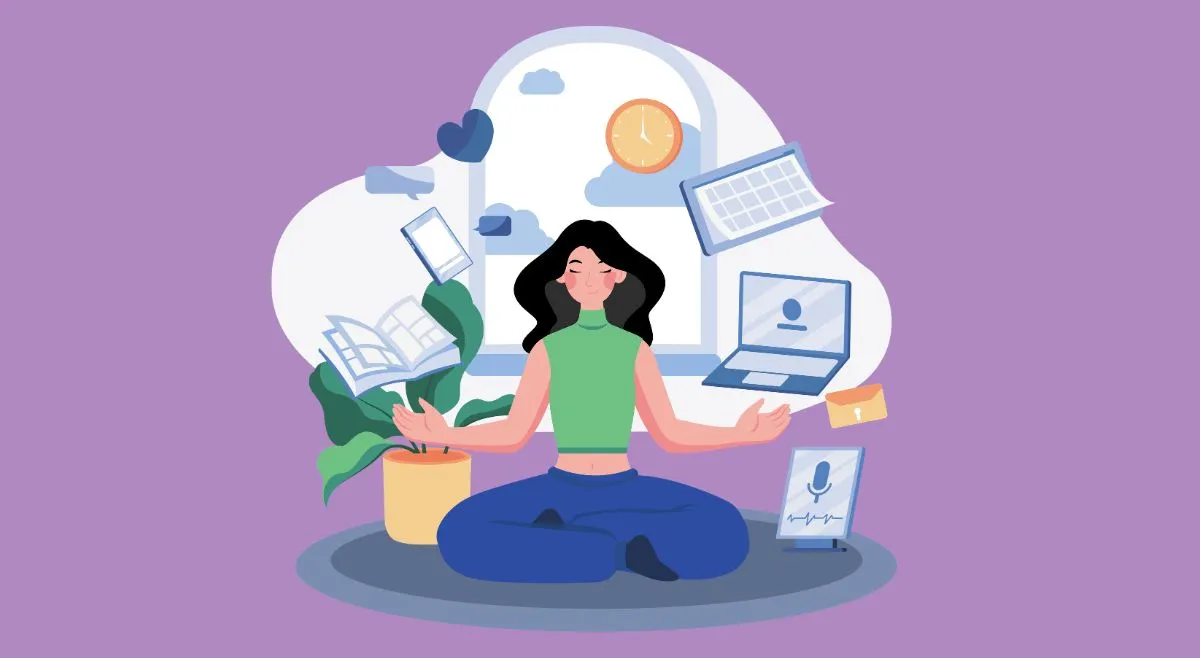
Make mindful choices (Image Credit: Canva)
When Should You Be Concerned About Constant Work Stress?
Some amount of stress is a natural phenomenon. However, the moment you realise that your stress is constantly growing, it is time to do something about it. It is a serious problem when it results in fatigue despite adequate rest, inability to sleep, headaches, body pain, irritability, lack of concentration and loss of interest in previously favourite activities. When your stress affects your life negatively on a weekly basis and impacts your relations and health, it is definitely a signal for your body to pay attention to it.
My Takeaway
Each of the above-mentioned ways to maintain work-life balance is also an easy step towards a healthy, sustainable lifestyle. These 5 ways not just restore work-life balance, but also help you recover from work stress. All you need to remind yourself is that you can take care of your wellness without doing everything perfectly.
Skipping workouts and indulging once in a while, staying out late here and there, happens in normal life. But don't get used to it or reward yourself by eating or exercising excessively or by “paying back” an indulgent day. Rather, bring back a healthier lifestyle in a guilt-free manner.
These habits also serve as useful monitoring of fundamental health parameters and emphasise prevention, rather than waiting for symptoms. Lastly, two good days cannot offset five hectic work days. After all, it's all about consistency and not perfection to achieve long-term health.
Lastly, it is important to understand this is general information and can not be a substitute for medical advice. If work stress is seriously affecting your daily life, it is time to consult an expert.
FAQs
Q1. Why is a weekend not enough to recover from work stress?
A weekend provides temporary relief, but accumulated stress occurs gradually. Two days aren't always enough to undo the effects of stress from a whole week's work.
Q2. What are symptoms that show work stress is affecting your life outside of work?
Symptoms are difficulty falling asleep, irritability, tiredness despite getting adequate rest, inability to concentrate, and becoming emotionally uninvolved in personal activities.
Q3. How can I regain work-life balance when I have a very stressful job?
Take small steps, know your work hours, and after work hours are for your own self. Take actual breaks at work like 15 minutes walk after lunch, a 5-10 minute breathing time after a stressful meeting, get enough sleep, stay off your phone at home, and find time for non-work-related activities.