
- By Ridam Sharma
- Fri, 31 Jul 2026 05:44 PM (IST)
- Source:JND
Natural Salty Food Alternatives: You will barely find someone who doesn’t like salted, spicy food. Salt has long been celebrated as a flavour enhancer and food preservative, but today’s diets contain far more sodium than our bodies require. Salt is truly a major component of every food and also important to live. But too much salt can also be detrimental to your health. Don’t entirely take salt out of your diet, but be mindful of the balance in your habits.
However, not many people know that breads and other processed and packaged food items, which seemingly do not contain any salt, are also packed with sodium. Additionally, salt is found in almost all foods. Therefore, to keep your health thriving, here is a list of 5 natural alternatives to salt consumption.
Why You Should Consider Cutting Back On Salt
You should consider cutting back on salt because, according to nhlbi.nih.gov, “Salt is a rich source of sodium, which the body needs to function normally. The problem: too much sodium can raise blood pressure, and high blood pressure is a risk factor for heart disease and stroke.”
Therefore, for a long, healthy life and to protect your health from chronic diseases like high blood pressure, heart-related diseases, and overall health, it is important to be mindful while consuming salt.
5 Natural Alternatives To Cut Salt From Your Diet:
1. Opt For Fresh Fruits
Fresh vegetables, fruits, legumes, whole grains, nuts, and freshly prepared meals naturally contain less sodium than ultra-processed foods. They also provide potassium, a mineral that helps maintain a healthy balance of fluids and supports normal blood pressure. A colourful, minimally processed plate is one of the simplest ways to reduce salt intake naturally.
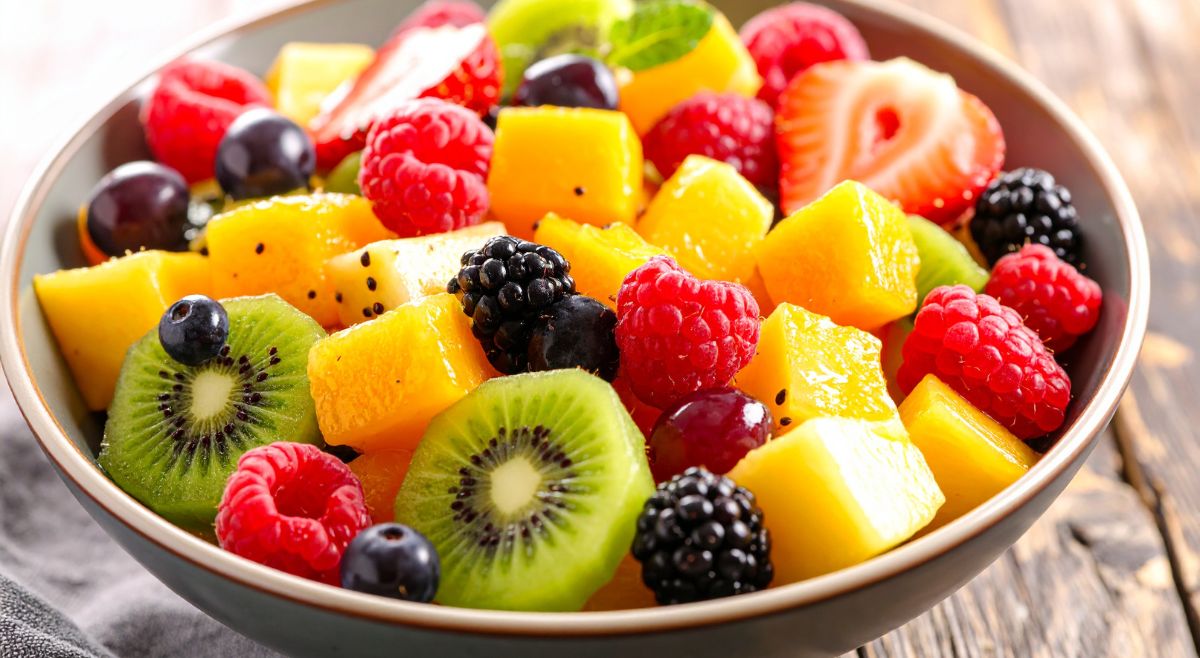
Fresh fruits (Image Credit: Canva)
2. Herbs and Spices
Herbs such as fresh or dried basil, oregano, rosemary, thyme, and cilantro can turn any meal into an exquisite dish without increasing the dish's sodium content. Spices including black pepper, paprika, cumin, and turmeric give extra warmth and depth to your dishes. You may want to try creating your unique spice blend at home and use it when cooking low-sodium meals.
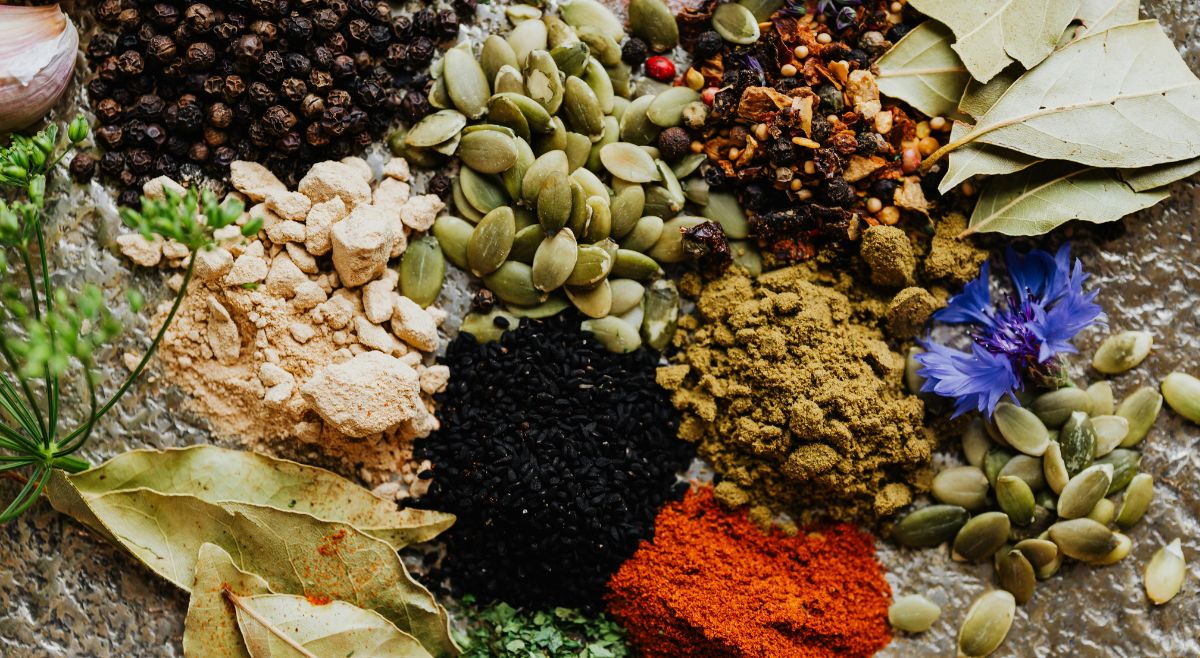
Herbs (Image Credit: Canva)
3. Citrus Juice and Zest
A little squeezed lemon or lime can lift your dish and make it very tasty without any salt. The citrus juice and zest enhance the flavours already present in your meal, making them more vivid and fresh. It goes very well with fish, salads, and roasted vegetables.
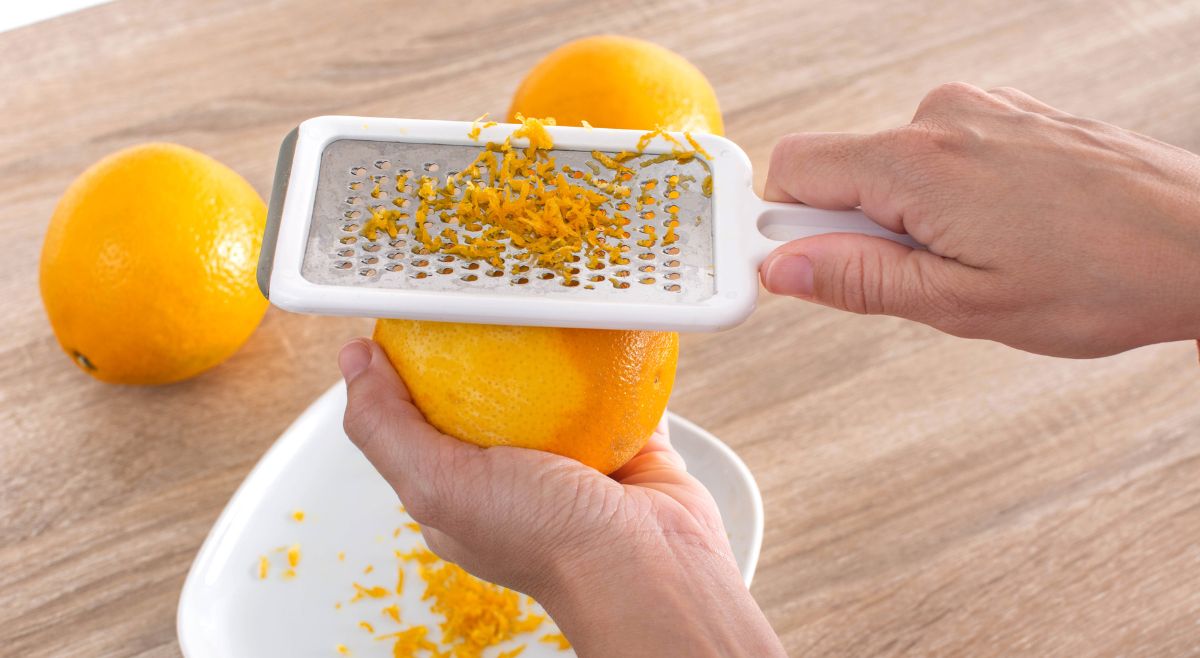
Citrus Juice and Zest (Image Credit: Canva)
4. Garlic And Onion
Garlic and onions, either fresh or in powdered form (and not salted), provide umami flavour to all savoury meals. Roasted garlic has a milder and sweeter taste, which is suitable for various soups, sauces, and vegetables.
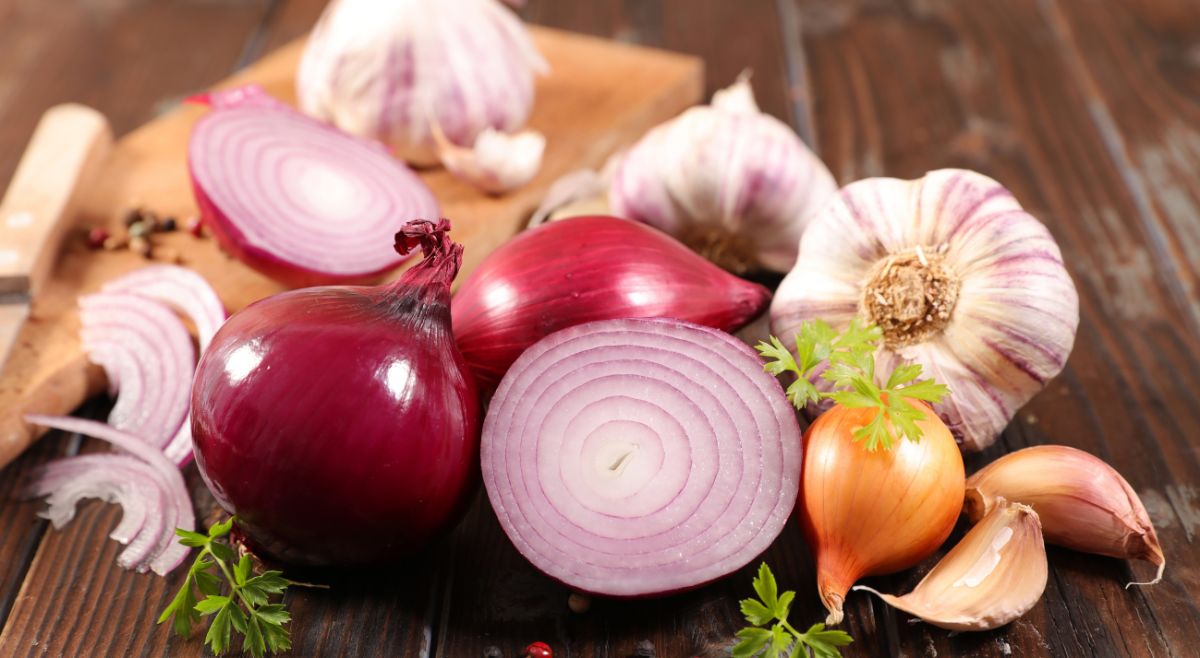
Garlic and onions (Image Credit: Canva)
5. Nutritional Yeast
Nutritional yeast has an umami, salty, and a bit cheesy flavour that is loved by people cutting down on both salt and dairy products. This product can be sprinkled over your popcorn, pasta, roasted veggies, and soups.
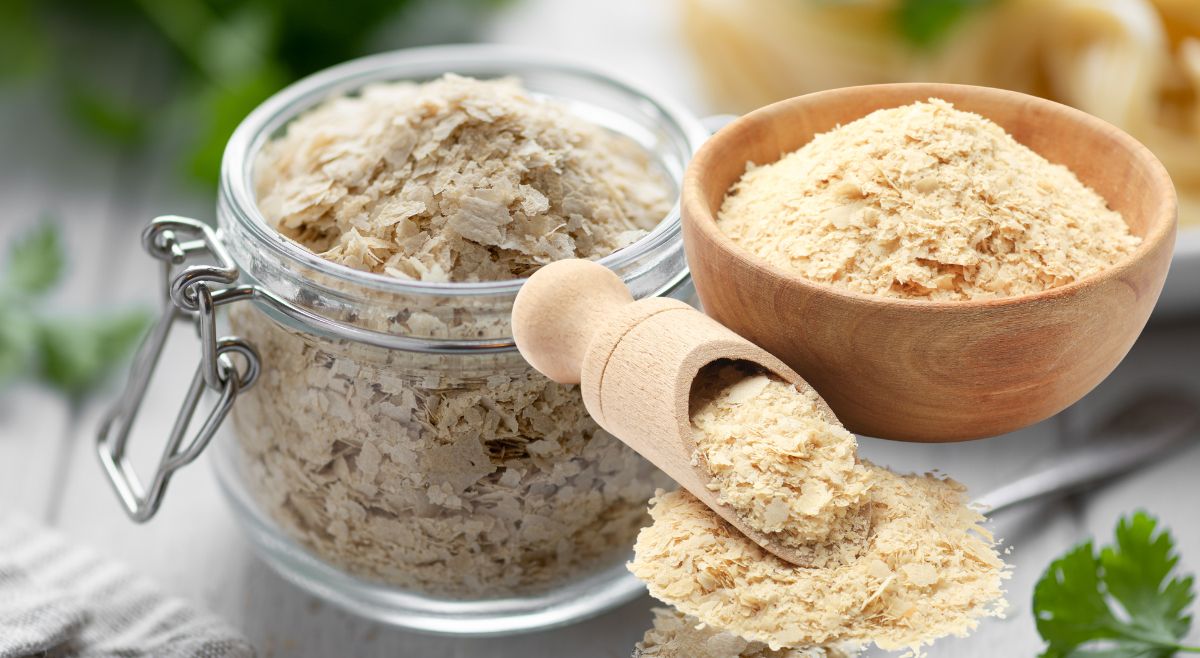
Nutritional yeast (Image Credit: Canva)
How Much Salt Does A Person Need?
On talking to Dr Vijay B Negalur, Prof and HOD, Dept of postgraduate studies in swasthavritta, Sri Dharmasthala Manjunatheshwara College of Ayurveda, Kuthpady, Udupi, he recommends that adults consume no more than 5 grams of salt (approximately one teaspoon) per day, yet many people unknowingly exceed this limit because of the high sodium content in processed and restaurant foods.”
He added, “Excess salt intake is strongly linked to high blood pressure, heart disease, stroke, kidney disorders, and other chronic health conditions. The challenge is that most dietary sodium is “hidden” in packaged foods rather than added at the dining table.”
ALSO READ: Want To Cut Added Sugar? Try These 7 Naturally Sweet Foods Instead
Tips for Successfully Reducing Salt in Your Diet
1. It is important to note that packaged and processed foods contain large amounts of salt, which makes it essential to take time to check the food labels.
2. Learn how to cook at home. When you cook at home, you have total control over the amount of salt you use.
3. Make gradual changes. Your taste buds will get used to this, and you will begin to find that foods which seemed plain previously are now more tasty.
4. Combine different alternatives. Combining herbs, citrus and vinegar usually makes tastier dishes than using salt alone.
ALSO READ: 5 No Sugar Summer Drinks To Keep You Hydrated
Final Thoughts
Giving up on salt doesn’t mean giving up flavour. Using natural alternatives like fresh fruits, herbs, garlic, citrus, vinegar and nutritional yeast as seasoning in your meals, you can enjoy healthy food which also tastes great. Start small, experiment with combinations, and you may find you don't miss the salt shaker at all.