
- By Ridam Sharma
- Wed, 05 Aug 2026 01:11 PM (IST)
- Source:JND
Sleeping Mask vs Night Cream: Your skin repairs itself while you sleep. So night is the best time to pamper it a bit. Products such as sleeping masks and night creams are all over the internet and are meant to support the natural repair process. However, the main problem is to find out which is better for overnight skin repair -sleeping mask or night cream? The fact is both products have different purposes, and the right option depends on what your skin needs.
What Is a Night Cream?
A night cream is a rich moisturiser used for daily overnight use. It restores hydration, protects your skin and reduces dryness due to pollution, sunlight and everyday stress and struggles. Night creams usually comprise ingredients such as hyaluronic acid, ceramides, peptides, niacinamide and gentle retinol.
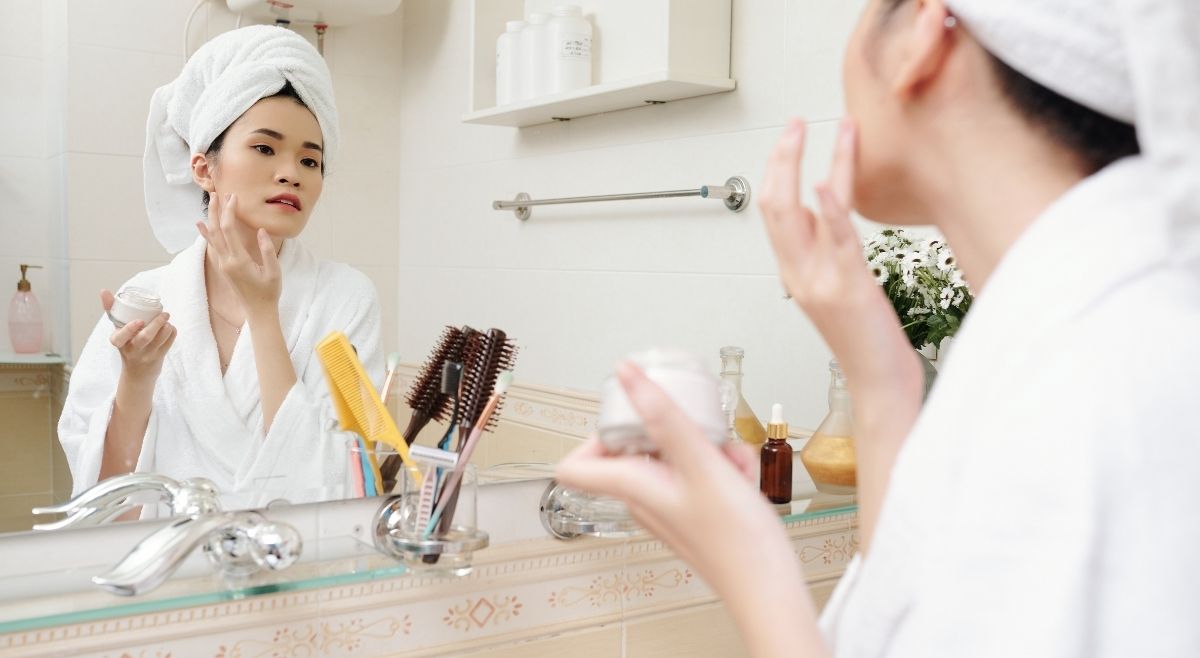
Night Cream (Image Credit: Canva)
These ingredients improve texture, help with wrinkles, and make skin soft and healthy. Night cream is ideal for daily use, thanks to its ability to keep skin moisturised without making it greasy.
What Is a Sleeping Mask?
A sleeping mask is the last step of your routine for nighttime skincare. Its purpose is to form a protective layer on your skin at night, which keeps your skin well-hydrated and moisturised. Sleeping masks usually contain hydrating ingredients such as aloe vera, glycerine, panthenol and antioxidants, which provide instant hydration and result in healthier-looking skin in the morning.
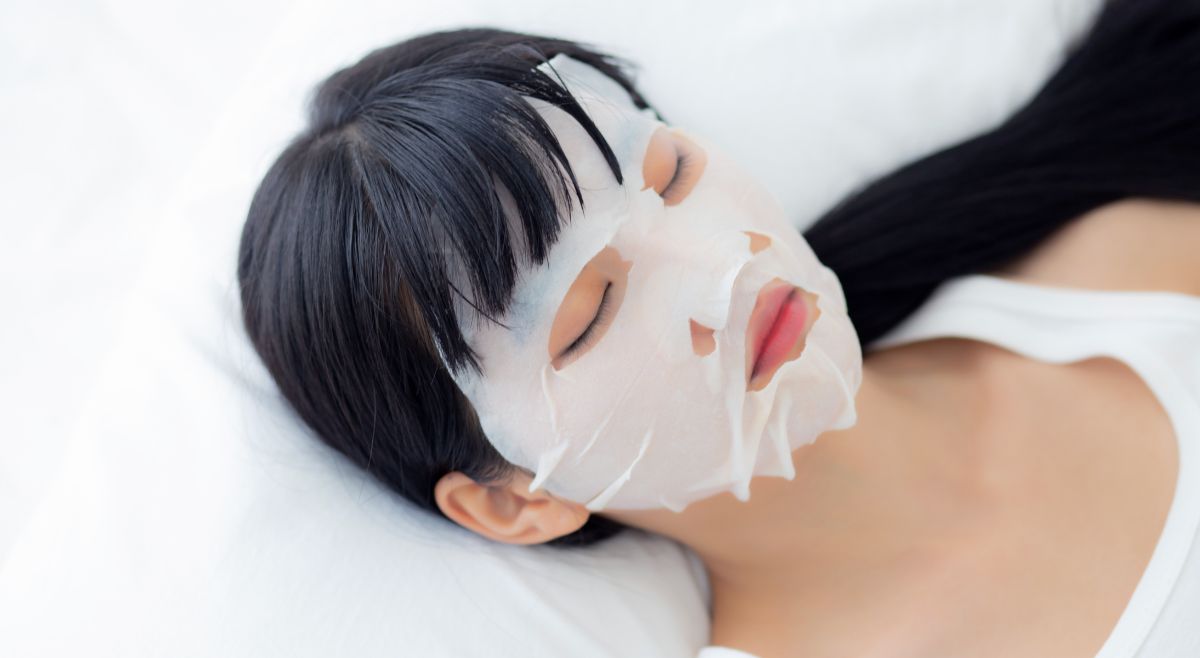
Sleeping Mask (Image Credit: Canva)
Sleeping Mask vs Night Cream: Key Differences
Aspect | Sleeping Mask | Night Cream |
Texture | Lightweight, gel/jelly | Thick, creamy |
Potency | High (treatment-level) | Lower (daily-use) |
Frequency | 2–3x/week | Nightly |
Key ingredients | Hyaluronic acid, niacinamide, botanicals | Ceramides, peptides, emollients |
Main function | Occlusive seal + intensive repair | Basic hydration + barrier support |
Absorption | Fast | Slow, stays on surface |
Best for | Targeted fix (dullness, dryness spikes) | Everyday maintenance |
Rinse needed? | Usually no | No |
Risk of overuse | Irritation, clogged pores | Low |
ALSO READ: 5 Homemade Green Tea Toners To Keep Your Skin Fresh In High Humidity
Sleeping Mask vs Night Cream: Which Is Better for Overnight Skin Repair?
If your skin is dry as well as dehydrated and simply needs daily nourishment, then a night cream is usually the better option. It promotes long-term skin repair and assists in preserving a healthy skin barrier. If you are dealing with dull, tired and dehydrated skin after travelling, long workdays and weather changes, a sleeping mask is a quick way to hydrate and improve the look of the skin overnight. A sleeping mask is a type of booster, not a replacement for a night cream.
Which One Should You Choose Based on Your Skin Type?
According to Dr Priyanka Hemrajani, Sr. Consultant, Dermatology, Marengo Asia Hospitals, Gurugram, “If you have oily or acne-prone skin, choose lightweight and non-comedogenic formulas in either product. If you have sensitive skin, steer clear of products with strong fragrances and harsh active ingredients.”
Can You Use a Sleeping Mask and Night Cream Together?
“Yes, you can use a sleeping mask and night cream together. Just apply your usual night cream and then use a sleeping mask on top, once or twice a week, for additional hydration. But you don’t have to use them both every night unless your skin is super dry,” Dr Priyanka Hemrajani shares.
ALSO READ: Face Scrub vs Face Wash: Which Is Better For Oily Skin During The Monsoon?
Common Mistakes To Avoid When Using Overnight Skincare Products
Skincare Mistake | Why? |
Layering of products | Using too many actives simultaneously; the skin cannot assimilate all of them. |
Not doing a patch test | Applying a new active formula all over the face right away. |
Putting too much product | Thicker does not mean more effective; may cause skin to become clogged. |
Using sleeping masks daily | Meant to be used 2–3 times per week; may cause skin irritation. |
Not removing impurities before sleep | Leaving dirt/makeup under an occlusive layer by not cleansing. |
Skipping sun protection after actives | Applying retinol/exfoliants without sunscreen the next day increases sensitivity to UV rays. |
Inconsistent application (dry vs. wet skin) | Influences the way the skin assimilates active ingredients. |
Ignoring one's skin type | Using rich creams on oily skin or light gels on extremely dry skin. |
Demanding overnight effects | Skin regeneration takes weeks, not days. |
Incorrect order of ingredients | Products should be applied from thinnest to thickest (serum, then cream and then mask). |
Sleeping on unwashed pillowcases | Transfers bacteria and oils back onto freshly treated skin. |
Lastly, between sleeping mask and night cream is better than the other because both serve different purposes. A night cream is great for daily skin repair, and a sleeping mask is great for when your skin needs a little extra care for added hydration. Selecting products based on your skin type and problems will help you to wake up with healthier, smoother and well-nourished skin.