
- By Ridam Sharma
- Tue, 18 Aug 2026 11:02 AM (IST)
- Source:JND
Rosemary vs Lavender Oil For Hair: In 2026, beauty has become more focused on skin health, rather than quick fixes. People are rapidly moving towards all-natural care and also realising the value of traditional herbs. Two popular natural oils- Rosemary and Lavender have been timeless parts of traditional hair care routines across cultures. Rosemary is good for stimulating hair growth; lavender is known for its aromatic presence and for soothing your scalp.
Rosemary vs Lavender Oil: Which Oil Is Better For Monsoon Hair Care?
Feature | Rosemary Oil | Lavender Oil |
Best For | Hair fall and thinning | Itchy, irritated scalp |
Key Benefit | Boosts blood flow, strengthens roots | Calms inflammation, fights fungal buildup |
Scalp Type | Oily scalp (mild astringent) | Sensitive or dry scalp |
Dandruff Control | Moderate | Strong antimicrobial action |
Scent | Sharp, herbal | Soft, floral, relaxing |
Monsoon Edge | Prevents fungal-related hair fall | Reduces scalp itchiness from humidity |
How to Use | Mix with coconut/almond oil, massage 2–3x/week | Mix with carrier oil, leave on 30 mins |
Side Effects | Can irritate skin if undiluted | May trigger headache in strong doses |
Growth Support | Moderate— partially clinically studied | Mild — mostly indirect via scalp health |
It is important to note that between rosemary and lavender, rosemary currently has the best evidence to support hair health, especially hair growth and hair density. However, the available evidence isn't large enough or very well designed to make any strong claims.
Why Does Monsoon Affect Hair Health?
Monsoon season brings along intense humidity, which causes excess scalp sweating and pollution to clog hair and make it break easily. Additionally, monsoon season also becomes a breeding ground for fungal growth like dandruff, which also deteriorates your hair root health.
Rosemary Oil for Hair: Benefits And Uses
According to a study pubmed.ncbi.nlm.nih.gov titled, ‘Rosemary oil vs minoxidil 2% for the treatment of androgenetic alopecia: a randomised comparative trial, ’ states that, “ Rosemary oil helped hair grow back about as well as minoxidil did, and it caused a little less itching. So rosemary oil might be a nice, gentler option for people who want thicker hair.”
And as per Dr Sujit Paul, Zota Healthcare Ltd and a health expert, “It is thought that rosemary helps maintain good health of the scalp, and its anti-inflammatory and antioxidant properties may prevent microcirculation around the scalp from worsening. Stress on the need for more robust evidence and more recent reviews also point to rosemary as a herbal ingredient that has potential for hair loss.”
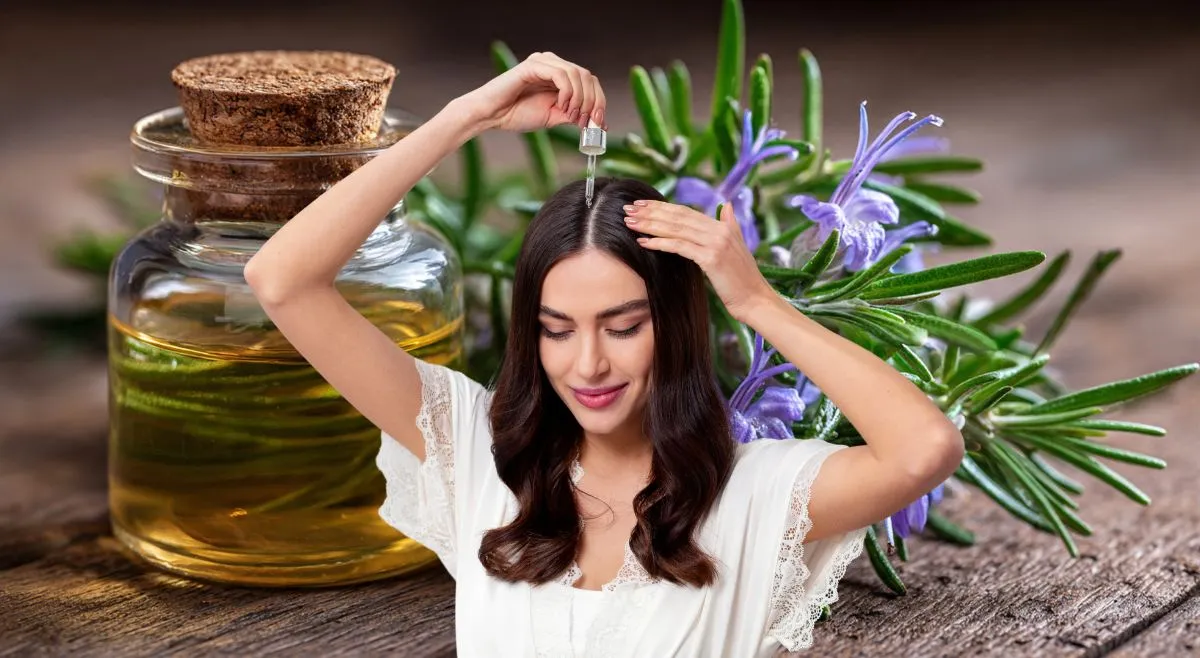
A woman applying rosemary oil to scalp for hair fall (Image Credit: Canva)
How to Use Rosemary Oil for Hair Fall?
Rosemary is an essential oil and should not be used without diluting. Mix it with a carrier oil like coconut oil to massage on the scalp. Additionally, always be mindful of the amount of application, as it is a strong oil and may damage your hair follicles if used incorrectly.
Lavender Oil for Hair: Benefits And Uses
Lavender, on the other hand, is always known for its therapeutic and fragrant qualities. Studies directly related to its effect on hair growth are far less extensive, but have largely been performed on animals. Accordingly, lavender could be considered as a component of a scalp care regimen, but at this time it cannot be substantiated on the same level as rosemary for hair growth.
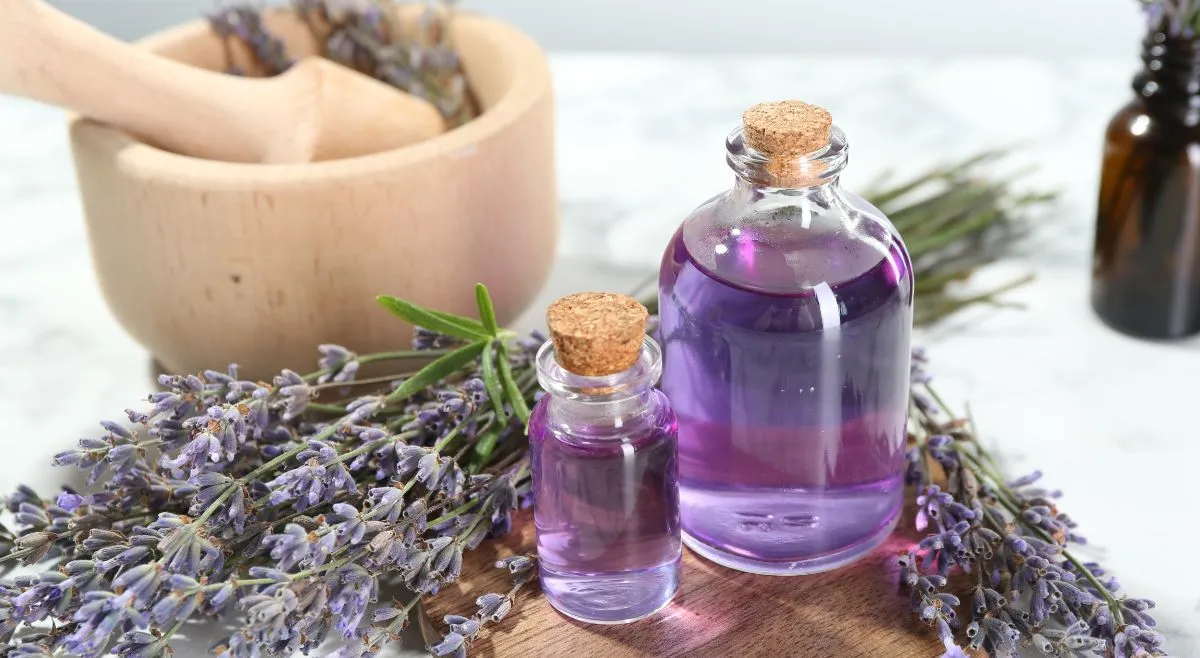
A lavender essential oil bottle for hair health (Image Credit: Canva)
Apply lavender oil in the same way as rosemary, diluted with carrier oil, do a patch test and use a mindful amount.
Which Oil Should You Choose Based on Your Hair Concern?
At the end of the day, between rosemary and lavender, there doesn't seem to be any clear one with better scientific support than the other. However, rosemary does have an edge, as studies support its ability to actually stimulate hair growth. Lavender oil is known for its aromatic and soothing benefits on the scalp. But it is also important to keep in mind that none can be touted as a 100 per cent cure for hair loss.
ALSO READ: Gel Nails vs Acrylic Nails: Which Nail Extensions Last Longer?
A 2025 study demonstrated that rosemary-lavender oil and rosemary-castor oil significantly improved hair growth rate, thickness, density, length, and reduced hair fall compared to coconut oil. Additionally, with a favourable safety profile, these formulations offer a promising plant-based solution for good hair and scalp health.
Side Effects And Precautions
Both rosemary and lavender essential oils are generally safe when diluted, but some people may experience allergic reactions, scalp irritation, or headaches from strong lavender fragrance. Therefore, it is always suggested to do a patch test 24 hours before full application.
ALSO READ: Essential Oils For Skincare: How To Use Them Safely And Avoid Skin Irritation
Additionally, remember that natural does not mean safe; essential oils are potent and can be used at a safe concentration if applied topically. People who face regular hair fall, balding, thinning hair, or scalp inflammation should also consult professionals to avoid the use of only hair oils.