
Stepping out after Diwali requires informed decisions about when, where, and how long to expose yourself to polluted air. The rising AQI has already left everyone breathing heavily and eyes drying up or watering.
Dr. Kuldeep Kumar Grover, Associate Director of Pulmonology & Critical Care at CK Birla Hospital notes that during this time, everyone "should avoid outdoor running, brisk walking, cycling and strenuous exercise during periods of high pollution, as increased breathing rates lead to greater inhalation of pollutants."
Choose health measures like wearing N95 or FF2P masks. Air pollution impacts healthy individuals just as much as those with chronic conditions, making precautions essential for everyone.
How To Protect Yourself From High AQI While Going Out?
Here are ways to shield your body and lungs from hazardous post-Diwali pollution. Choose from properly fitted particulate masks and modified workout schedules to step out during high AQI safely post Diwali.
1. Wear A Snug N95 Or FFP2 Respirator
Dr. Kuldeep Kumar Grover emphasises that an appropriately fitted N95 or FFP2 respirator offers significantly stronger defense against microscopic PM2.5 particles than a cloth or surgical mask.
Skip loose fabric masks and ensure your mask forms an airtight seal over your nose and mouth without side gaps, filtering out fine chemical toxins whenever you go outdoors.
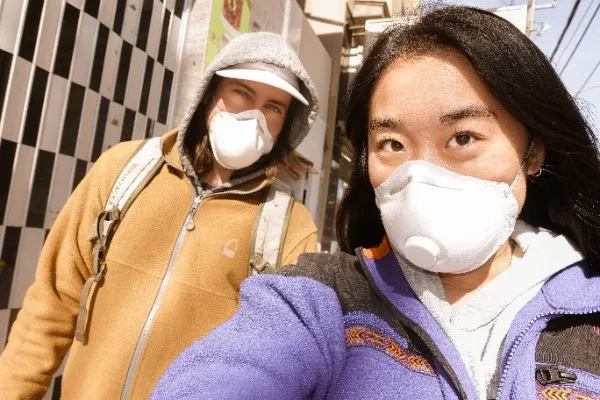
Wear masks when going out (Image Credits: Pexels)
2. Pause Strenuous Outdoor Workouts
Dr. Grover warns that outdoor running, brisk walking, cycling, and strenuous exercise should be strictly avoided when air quality plummets, as elevated breathing rates pull more toxic pollutants deep into your lungs.
Move your workouts indoors and save necessary errands for late mornings or afternoons when ground-level smog has partially lifted. Keep high-risk individuals, such as children, seniors, and pregnant women, indoors as much as possible.
3. Keep Medications At Hand
According to Dr. Grover, anyone managing asthma, COPD, or chronic heart and respiratory conditions must stay consistent with daily prescribed medications and keep quick-relief inhalers within arm's reach at all times.
Never dismiss warning signs like persistent coughing, wheezing, shortness of breath, chest tightness, or uncharacteristic fatigue during high AQI. If acute chest pain or severe breathlessness develops, seek emergency medical care immediately.

Take necessary precautions (Image Credits: Pexels)
4. Practice Nasal Rinses And Throat Cleansing
Inhaled soot, dust, and chemical residues immediately coat the delicate mucous linings of your nasal passages and throat after returning from outside. It can trigger persistent dry coughs and congestion during high AQI time after Diwali.
Recommended For You
Use a saline nasal spray or perform a gentle warm-saline gargle twice daily after returning home to flush out trapped toxins, soothe throat inflammation, and clear your throat.
5. Follow A Post-Commute Cleansing Routine
High pollution strains the entire body's defense mechanisms. Reducing overall physical burden and mucosal irritation is critical for both healthy individuals and vulnerable groups alike during high AQI post Diwali.
Strip out of outdoor clothes upon entering your home, wash your hands and face to remove clinging soot, rinse irritated eyes with cool water, and sip warm fluids or herbal teas through the day to soothe your throat.
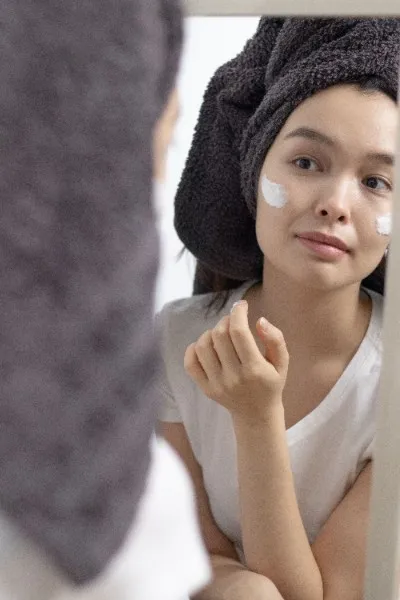
Wash face when returning home (Image Credits: Pexels)
ALSO READ: 5 Common Winter Gardening Mistakes That Can Damage Your Plants
Precaution | Action | Key Benefit |
1. N95/FFP2 Respirator | Wear a sealed, fitted mask outdoors; avoid cloth masks. | Blocks microscopic PM2.5 and toxic aerosols. |
2. Pause Outdoor Workouts | Shift exercise indoors; run errands in the afternoon. | Prevents deep inhalation of ground-level smog. |
3. Rescue Medications | Keep inhalers and daily prescriptions within reach. | Manages acute wheezing, asthma, and COPD flares. |
4. Nasal & Throat Rinses | Use saline sprays and warm salt-water gargles twice daily. | Flushes trapped soot and eases airway irritation. |
5. Post-Commute Cleanup | Change clothes, wash face and eyes, and drink warm teas. | Stops outdoor toxins from settling on skin and indoors. |
ALSO READ: How To Protect Your Skin From Pollution During Diwali?
FAQs
Why are surgical and cloth masks ineffective against post-Diwali air pollution?
Cloth coverings and common surgical masks merely block large respiratory droplets and not fine particles. PM2.5 particulates and hazardous chemical smog can travel through loose fabrics and unsealed side gaps. Properly fitted N95 or FFP2 masks provide protection against microscopic airborne pollutants post Diwali.
Why is outdoor exercise considered dangerous during severe AQI spikes?
Physical activity can significantly accelerate your respiration rate, and you start mouth breathing which can bypass natural nasal filtration. Massive quantities of hazardous chemical particles, toxic dust, and heavy metals are drawn deep within during high AQI. Potentially, it can provoke sharp bronchial inflammation, respiratory irritation, and lung damage.
What is the safest time of day to step outside if outdoor errands are unavoidable?
Going outdoors during the late morning through afternoon hours, typically around 12 PM to 4 PM, has reduced exposure risks. Early mornings and nights can trap toxic soot, firecracker fumes, and car emissions low to the ground. So, going out during the day is recommended during peak pollution days.