
- By Ridam Sharma
- Wed, 05 Aug 2026 11:55 PM (IST)
- Source:JND
Natural Shampoo Alternatives For Greasy Hair: Monsoon season doesn't necessarily always mean fresh showers and refreshing weather; the season is also about high humidity and a lot of sweating, which also results in sticky and oily hair and scalp, more often than ever. If you have noticed that your hair turns greasy quickly in this season, then opting for mild natural hair cleansers may be beneficial for you to balance the extra oil in your scalp without stripping away moisture.
Therefore, here is a list of 5 natural shampoo alternatives to control greasy hair during monsoon. But before that, let’s take a look at why hair becomes greasy in the first place.
Why Does Hair Become Greasy During Monsoon?
In monsoons, the increase in air humidity causes your skin glands to produce an excessive amount of sebum. This oil combines with sweat and dust in the air and spreads rapidly along the hair strands. The moist air prevents normal evaporation, leaving your roots heavy, greasy, and flat.
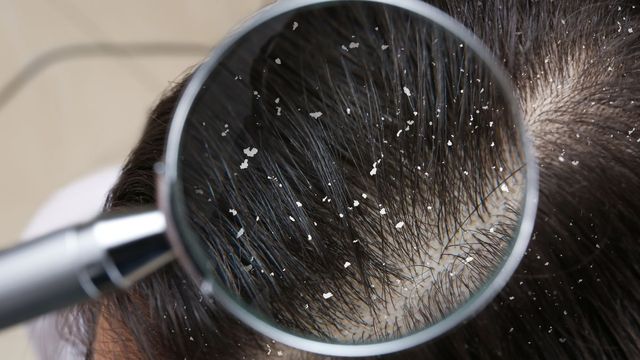
Home Remedies For Dandruff (Image Credits: Canva)
Natural Shampoo Alternatives To Control Greasy Hair During Monsoon
1. Apple Cider Vinegar (ACV) Rinse
A diluted apple cider vinegar rinse is one of the best-studied natural options for greasy hair. While it doesn't replace shampoo permanently, it helps remove product buildup, reduces excess oil on the scalp, and may restore the scalp's natural pH. Only use 1-2 tablespoons of ACV diluted in one cup of water as a final rinse once a week, not daily.
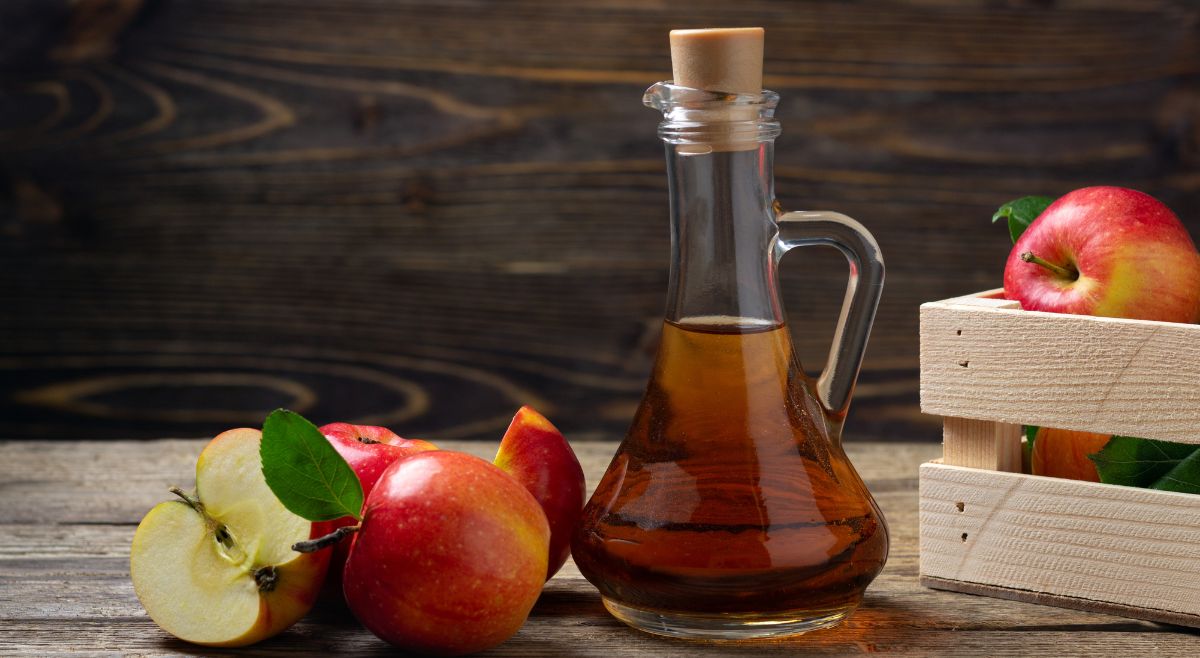
ACV for hair (Canva)
2. Green Tea Rinse
Green tea can assist in reducing excess sebum formation and soothe the scalp through the presence of antioxidants. Green tea can be brewed, cooled down and used on wet hair after rinsing out. This method is considered a more natural alternative, which could be helpful in a humid climate due to freshness and soothing effect.
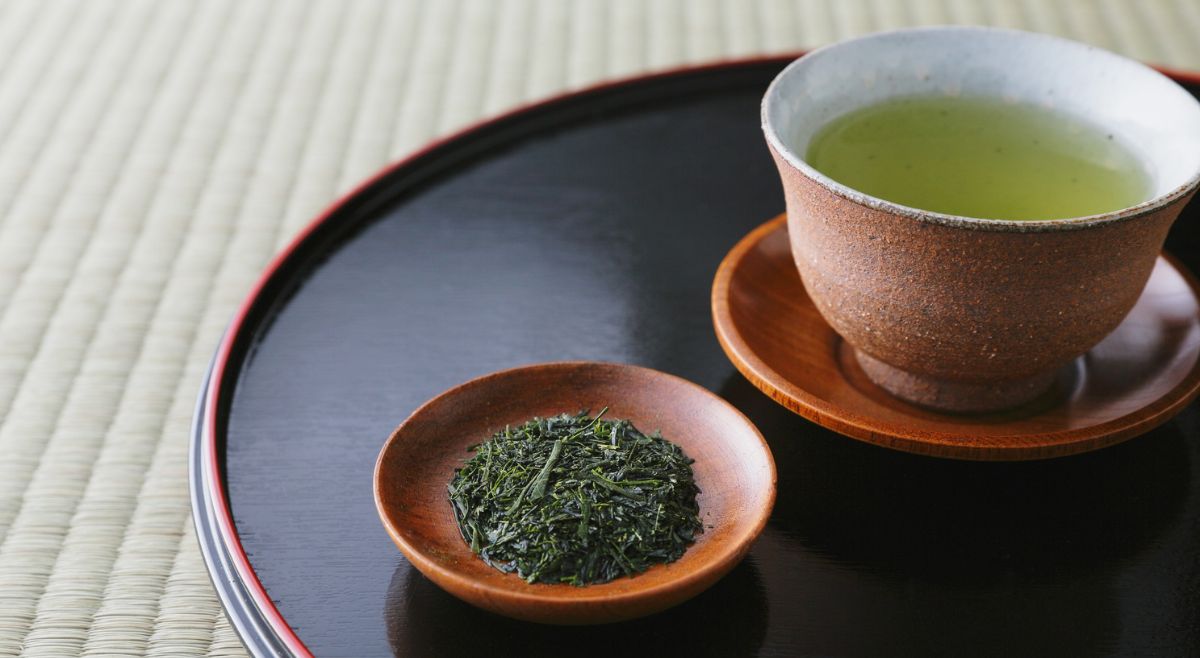
Green Tea (Canva)
3. Fresh Aloe Vera Gel Scalp Cleanser
It involves applying pure aloe vera gel to the scalp for about 15-20 minutes and then washing it off. It is known that aloe vera is able to soothe skin and has an anti-inflammatory effect, which can be helpful in reducing excess oils on the scalp and providing comfort without taking away all of the natural moisture.
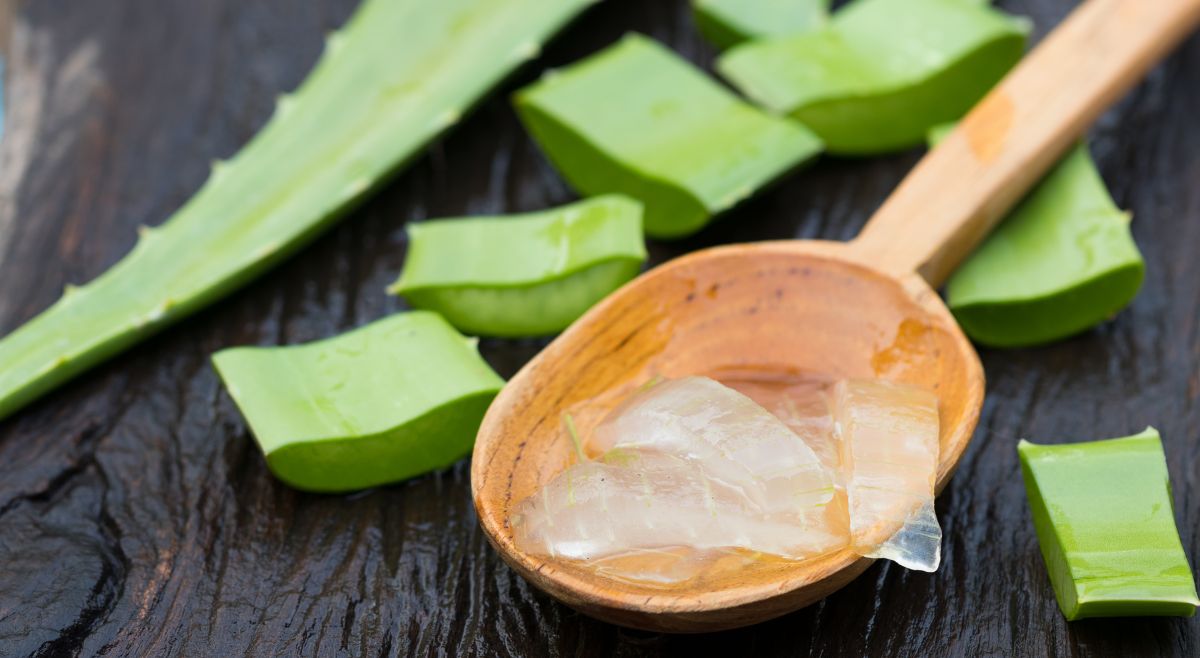
Aloe Vera (Canva)
ALSO READ: Priyanka Chopra's Mother Shares Her DIY Weekend Hair Care Routine For Soft, Black Hair
4. Multani Mitti (Fuller's Earth) Hair Mask
This one I personally use often. Multani mitti is famous due to its ability to absorb excessive oils and other impurities from the scalp and is a very popular ingredient in traditional medicine, as it is used to combat greasy hair. Mix multani mitti with water and apply it only to the scalp for about 10-15 minutes. It is a rather drying substance and needs to be used once every 1-2 weeks.
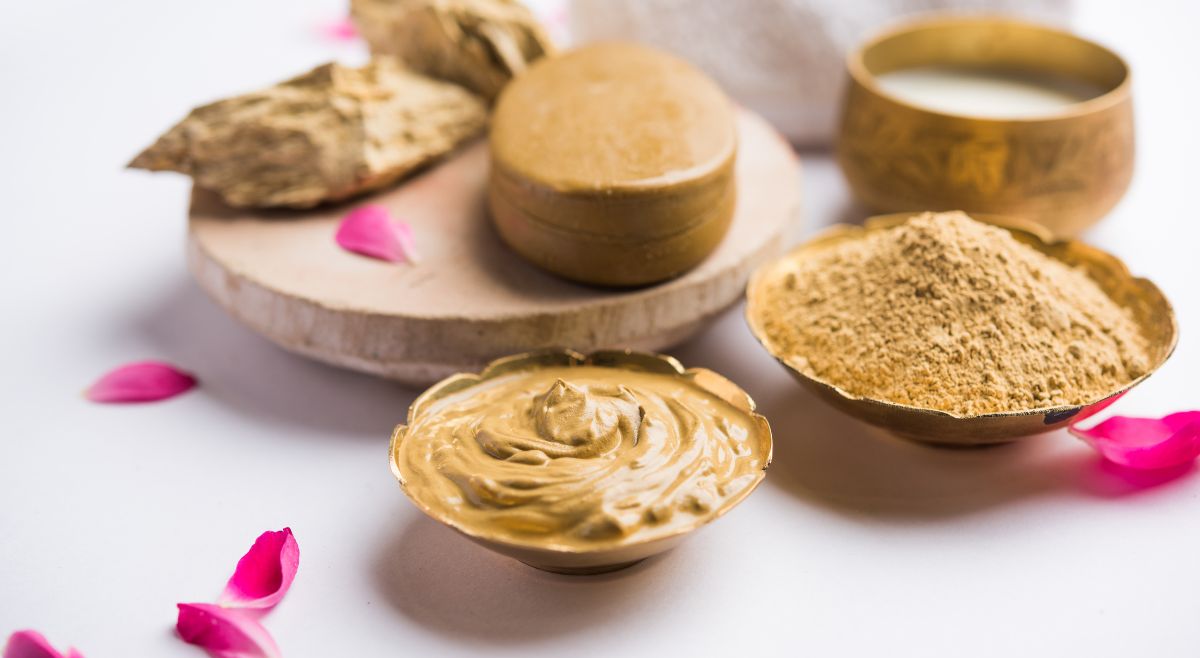
Multani Mitti (Canva)
ALSO READ: 7 DIY Hair Masks That Fix Sweaty Summer Scalp Fast
5. Shampoo Ginger (Zingiber zerumbet)
The aromatic extract obtained from shampoo ginger cones has always been considered an excellent natural shampoo and conditioner. It is able to clean the hair from any mild dirt and leave the hair soft and fresh. Despite its popularity among traditional hair cleansing methods, there is no scientific evidence about the efficacy of this juice in reducing excessive sebum secretion. That is why it is recommended to consider it a traditional remedy and not as a scientifically proven one.
These remedies help manage an occasional greasy scalp. However, they cannot replace shampoo at all, especially if you have dandruff, seborrhoea, scalp infection or any other buildup. In the monsoons, dermatologists usually advise washing the scalp according to the level of its grease (two to three times a week or even more in case of an extremely greasy scalp) and drying it thoroughly after washing.
More importantly, DIY natural shampoos might not be suitable for everybody and must be taken with caution. Always do a patch test before using any home remedy on your scalp. If you suffer from excess oil in your hair, dandruff, scalp irritations, eczema, psoriasis, and hair loss, consult a dermatologist.