- By Ridam Sharma
- Sat, 25 Jul 2026 02:14 PM (IST)
- Source:JND
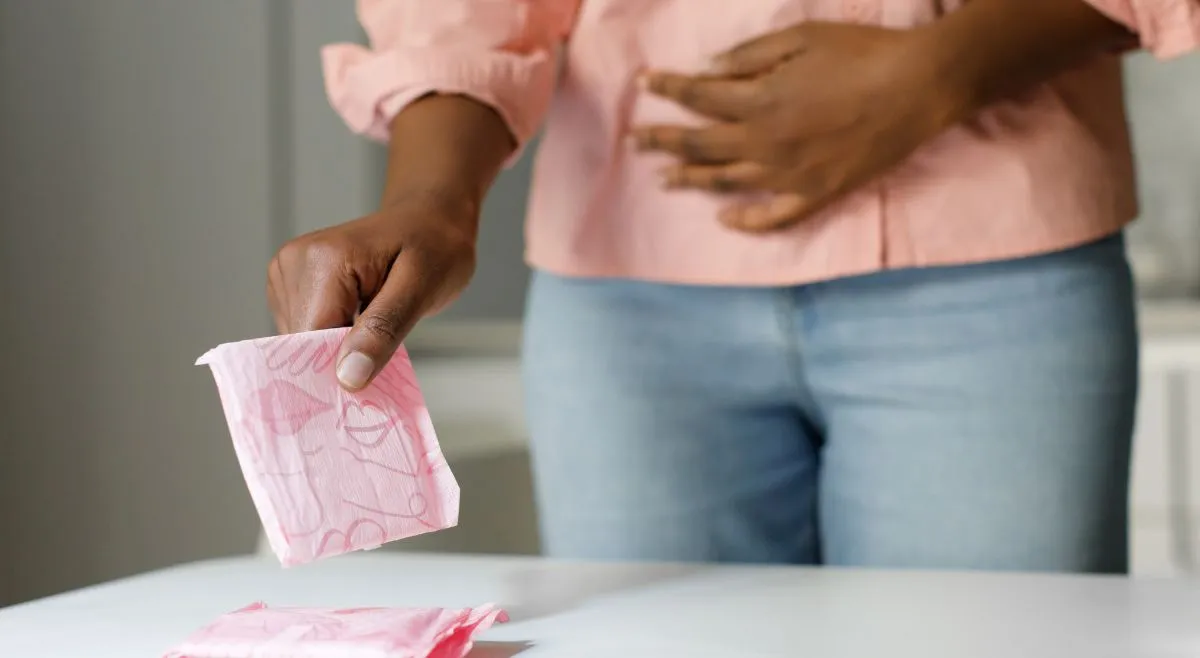
Pad Rashes in Monsoon: The combination of monsoon season and menstruation is troublesome. The high level of humidity, which creates stickiness, also hinders menstrual hygiene. Therefore, it is more likely to have rashes caused by the pads during this period. An annoying itching in the area of the thighs will appear due to the contact of the skin with moisture and the lack of proper airflow.
According to Dr Partap Chauhan, Director at Jiva Ayurveda, Pioneer of Ayurvedic Telemedicine, Celebrity Ayurvedacharya and Wellness Ambassador in India, “at the time of Varsha Ritu or monsoon season, the Kapha dosha, controlling fluid balance, works much more intensively. “
5 Menstrual Hygiene Tips To Prevent Pad Rashes During The Monsoon
Menstrual hygiene is important. Therefore, here are four practical ways to reduce the risk of pad rash this season.
1. Change Pads More Frequently Than Usual
During monsoon season, it is essential to follow the usual rule of changing a pad every four to six hours more strictly. Higher humidity makes it tough for sweat to evaporate, resulting in moisture being trapped even without heavy bleeding.
According to Dr Partap Chauhan, “it is better to change pads every three to four hours because moist skin tends to react adversely.”
2. Choose Breathable, Chemical-Free Pads
Pads with plastic-filled top layers lock in moisture and heat, which becomes an apt breeding ground for bacteria and fungi. Opt for pads with breathable top sheets or cotton tops, making sure you avoid those with strong fragrances.
ALSO READ: How To Maintain Hygiene In Girls’ Hostel During Monsoon?
3. Keep The Area Completely Dry Before Wearing A Fresh Pad
Although it may seem elementary, the truth is that applying a pad onto even slightly wet skin has generally been overlooked. Putting a pad over damp skin will lead to rashes. So, ideally, you should dry the area with a towel before putting on a clean pad.
4. Wear Loose, Breathable Innerwear
When you wear synthetic underwear, it does not allow air to circulate, which increases the moisture created by the pad. Cotton underwear helps to allow some air to pass through to prevent a hot and moist environment, which causes chaffing and irritation, mainly during the days of heavy bleeding.
Quick Table
Strategy | Key Action | Why It Helps |
Frequent Changes | Swap pads every 4–6 hours strictly | Prevents moisture buildup from high humidity and sweat |
Pad Material | Choose cotton or breathable, fragrance-free pads | Avoids synthetic/plastic layers that trap heat and bacteria |
Drying First | Dry skin thoroughly with a towel before putting on a new pad | Prevents damp skin from causing immediate friction and rashes |
Breathable Innerwear | Wear loose, 100% cotton underwear | Improves airflow and reduces chafing compared to synthetic fabrics |
When It's More Than Just A Rash?
Usually, minor redness clears up in a day or two with good hygiene. However, if any irritation is accompanied by a bad smell, unusual discharge, or fails to go away with caution, it's advisable to see a doctor rather than waiting.
ALSO READ: 6 Monsoon Bathing Tips To Prevent Sweat, Body Odour And Skin Infections
Lastly, pad rashes during monsoon are common, but not inevitable. Frequent changes, breathable products, thorough drying, and mindful habits can meaningfully reduce the risk this season.