- By Ridam Sharma
- Tue, 25 Aug 2026 04:32 PM (IST)
- Source:JND
Drinking Water Safety: India has made real progress on drinking water access. By August 2026, more than 81.81 per cent of rural households already have tap water connections under the Jal Jeevan Mission, a number worth pausing on. But access and quality are not the same thing, and the government's ongoing monitoring of groundwater for arsenic, fluoride, nitrate and heavy metals is a quiet reminder of that gap.
Why Is Safe Drinking Water Important For Your Health?
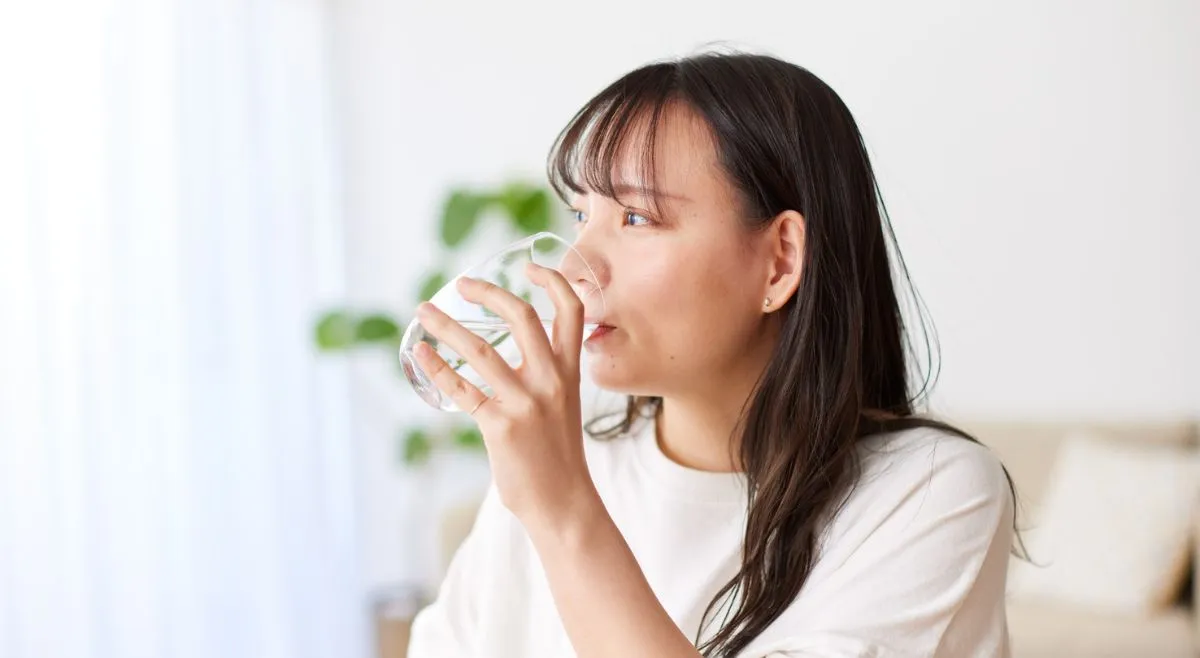
Water is the lifeline of life and a necessity for living. Bad-quality water can lead to numerous life-threatening diseases like cholera, dysentery, typhoid and many more. That is why safe drinking water is important for your health.
Water Is Life (Image Credit: Canva)
5 Essential Drinking Water Safety Lessons Every Household Should Know
| Lesson | Core Action | Key Takeaway |
| 1. Water Source | Match purification to your source. | Report sudden taste or colour changes. |
| 2. Maintenance | Replace filter elements on schedule. | Expired filters fail invisibly. |
| 3. Safe Storage | Store water in clean containers. | Maintenance is an ongoing habit. |
| 4. Verification | Rely on lab testing and TDS meters. | Ignore unverified marketing claims. |
| 5. Testing | Test groundwater periodically. | Harmful contaminants are odourless and invisible. |
1. Know Where Your Drinking Water Comes From
Old pipelines, leaks and cross-connections can all change water quality somewhere between the treatment plant and your kitchen. Especially for households, understand where your water comes from and choose a purification approach that matches it, rather than assuming one setup works everywhere.
Takeaway: If the colour, smell or taste of your water changes suddenly, report it to your local civic body rather than waiting it out. At home, build your filtration choice around your actual water source, not a generic assumption.
2. Use The Right Water Purification Method
A filter's real test isn't the day it's installed; it's every day after that. What matters is whether it keeps removing contaminants consistently as it ages.
Takeaway: Most households remember to install a purifier and then forget about it. Filters left in past their service life quietly lose effectiveness, often without any obvious sign.
3. Store Drinking Water Safely
According to Dr Anil Kumar, Chief Water Scientist, Eureka Forbes Ltd, “Water quality shifts. Seasons change, groundwater conditions change, pipelines age, and how well a household maintains its own system changes too. The government's response has been to build out thousands of water testing laboratories across the country and keep monitoring going under the Jal Jeevan Mission.”
At home, the equivalent is simple: water purification is as important as storing drinking water safely. Because a water purification system is something you maintain, not something you install once and forget.
Takeaway: Buying the right system is step one, not the finish line. Staying informed about local water quality, keeping filters on schedule and saving water in clean containers, and noticing changes in your water are habits worth building, not boxes to tick.
ALSO READ: Should You Drink Water Right After Eating? The Ideal Time Explained
4. Independent Testing Matters More Than Marketing Claims
Consumers today are exposed to countless claims around water purification. One way to evaluate these claims is to look for products or technologies that have been tested by independent laboratories using recognised scientific methods. You can use TDS meters to check the water quality in your household.
5. Know When Your Water Needs Testing
You can't see, taste or smell most of what makes water unsafe. Heavy metals and pesticide residues, in particular, give nothing away. That's exactly why water quality gets checked in a lab, not by holding a glass up to the light.
The government keeps a routine watch on groundwater for arsenic, fluoride and nitrate, and independent researchers have gone further, tracking how well different systems remove heavy metals and pesticides using serious analytical tools.
Takeaway: Clarity tells you very little. If your area has a history of water quality trouble, or draws heavily on groundwater, it's worth keeping an eye on the periodic quality reports your local authority puts out.
Lastly, mindfulness is the key; always be careful of the water you are drinking and storing, along with the water purification machine you have installed at your place. Regular check-ins, testing and awareness can help you know if your drinking water is safe or not.
FAQs
How often should I test my home's drinking water?
It is recommended to test annually for bacteria, nitrates, pH, and total dissolved solids, and more frequently after floods or changes in water quality.
Can I tell if my drinking water is unsafe just by looking or smelling it?
While discolouration, cloudiness, or unusual odours (like chlorine or rotten eggs) can indicate a problem, many dangerous contaminants (e.g., lead, arsenic, PFAS) are odourless, colourless, and tasteless.