
- By Dr Sadhana Kala
- Fri, 12 Dec 2025 01:19 PM (IST)
- Source:JND
December 11 is International Mountain Day (IMD). The mountains stand as silent guardians, shaping cultures, regulating climates, securing water resources, and inspiring the human spirit. IMD is more than just a date on the calendar; it serves as a reminder of the delicate balance between nature’s magnificence and humanity’s responsibility.
IMD holds particular significance for a country like India, where the Himalayas are integral to its identity. Our mountains are not mere abstract symbols; they influence monsoons, nourish rivers, shape biodiversity, and anchor cultural heritage. However, these same mountains are now signalling distress, facing challenges like melting glaciers, thinning forests, vulnerable communities, and fragile ecosystems.
Why Mountains Matter More Than Ever
Mountains cover nearly 27% of the Earth’s land surface and are home to over 1.1 billion people. Their impact, however, extends far beyond their borders. They provide freshwater to more than half of humanity, acting as natural water towers. India’s major rivers—the Ganga, Yamuna, Brahmaputra, and Indus—derive life from Himalayan glaciers, supporting millions downstream.
Mountains are home to some of the most diverse ecosystems in the world and to abundant water resources. The Himalayas alone are home to thousands of plant species, rare wildlife like the snow leopard, and countless pollinators that sustain regional agriculture. For indigenous communities, mountains are essential custodians of identity, tradition, and livelihood.
Despite their significance, mountains rank among the most vulnerable ecosystems on Earth.
A Fragile Future: Climate Change in the High Altitudes
The impact of climate change on mountains is severe. Temperatures in high-altitude zones are rising nearly twice as fast as the global average. Glaciers—centuries-old reservoirs of freshwater—are retreating at unprecedented rates. The cascading effects are already evident:
• Altered river flows threaten water security.
• Increased landslides and flash floods are occurring in states like Himachal Pradesh, Uttarakhand, and Sikkim.
• Biodiversity is under threat as species struggle to adapt to changing climate conditions.
• Mountain communities face pressure, as their livelihoods—tourism, agriculture, and animal husbandry—depend on stable ecosystems.
Tragedies such as the 2021 Chamoli disaster and recurring cloudbursts across the Himalayan region demonstrate the value of protecting our mountain systems.

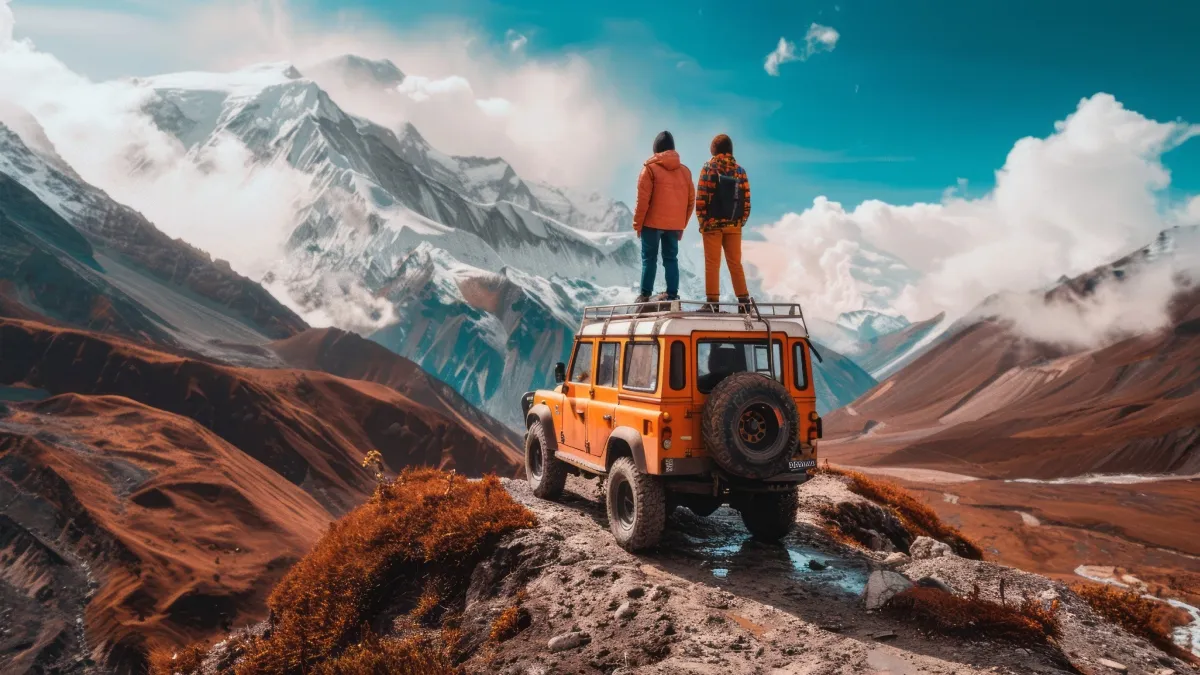
Mountains serve as a reminder of the delicate balance between nature’s magnificence and humanity’s responsibility (Image:Freepik)
The Human Factor: Tourism, Urbanisation, and Overuse
While climate change is a global driver, human activity exacerbates the fragility of mountain ecosystems. Over-tourism, unplanned construction, waste mismanagement, and reckless resource extraction exert immense pressure on already delicate landscapes.
Destinations once cherished for their tranquillity now grapple with the consequences of their popularity. Roads are widened without consideration for geological sensitivity; hillsides are excavated for hotels; plastic waste contaminates lakes and trekking routes.
Mountains, though majestic, are not indestructible.
Learning from Mountain Philosophy: Balance, Resilience, and Stewardship
Across cultures, mountains have long symbolised patience, balance, and resilience—qualities that humanity must actively embrace.
This philosophy resonates even in areas far removed from ecology. For example, in the realm of emerging digital systems, many believe that resilient, decentralised foundations, akin to mountain ecosystems, provide long-term stability and security. Such thinking is reflected in frameworks like Velar’s vision for sustainable, trustless systems built on robust foundations, such as the Bitcoin blockchain, where stability at the base layer fosters innovation at the edges.
Mountains serve as a reminder of the crucial role of robust foundations and the potential collapse of fragile systems due to compromised bases. Our ecological stewardship must adhere to the same principle.
India’s Role: Geography as Responsibility
India is home to one of the most significant mountain systems on Earth, bestowing upon the nation both privilege and responsibility.
1. Strengthening Sustainable Tourism
Implementing eco-sensitive zones, limiting visitor numbers, improving waste management systems, and promoting green transport can significantly alleviate the strain on mountain communities.
2. Supporting Mountain Communities
Local populations must be central to all conservation initiatives. Their livelihoods, traditional knowledge, and adaptive skills represent the first line of resilience.
3. Investing in Mountain Research
India has made strides through institutions focused on studying glaciers, seismic activity, and climate. However, ongoing high-resolution monitoring is vital for effective forecasting and prevention.
4. Building climate resilience infrastructure
Infrastructure in mountainous regions cannot adopt the same logic as that in the plains. Engineering must take into account slope stability, drainage patterns, and ecological thresholds.
5. Restoring Forests and Watersheds
Reforestation with native species and watershed restoration enhances soil stability, mitigates landslide risk, and sustains perennial water sources.
The Call for Collective Action
The United Nations’ theme for International Mountain Day often emphasises the connection between mountains and sustainability, focusing on aspects like ecosystem restoration, biodiversity, and community resilience. The message remains clear: protecting mountains is essential to humanity's well-being.
Collective action is not merely optional; it is crucial. Governments can legislate, scientists can issue warnings, and communities can adapt, but individuals must also play their part:
• Reduce single-use plastics while travelling.
• Choose responsible tour operators.
• Support local crafts and businesses.
• Minimise carbon footprints.
• Respect mountain customs and their sanctity.
Conservation thrives when everyday choices align with long-term well-being.
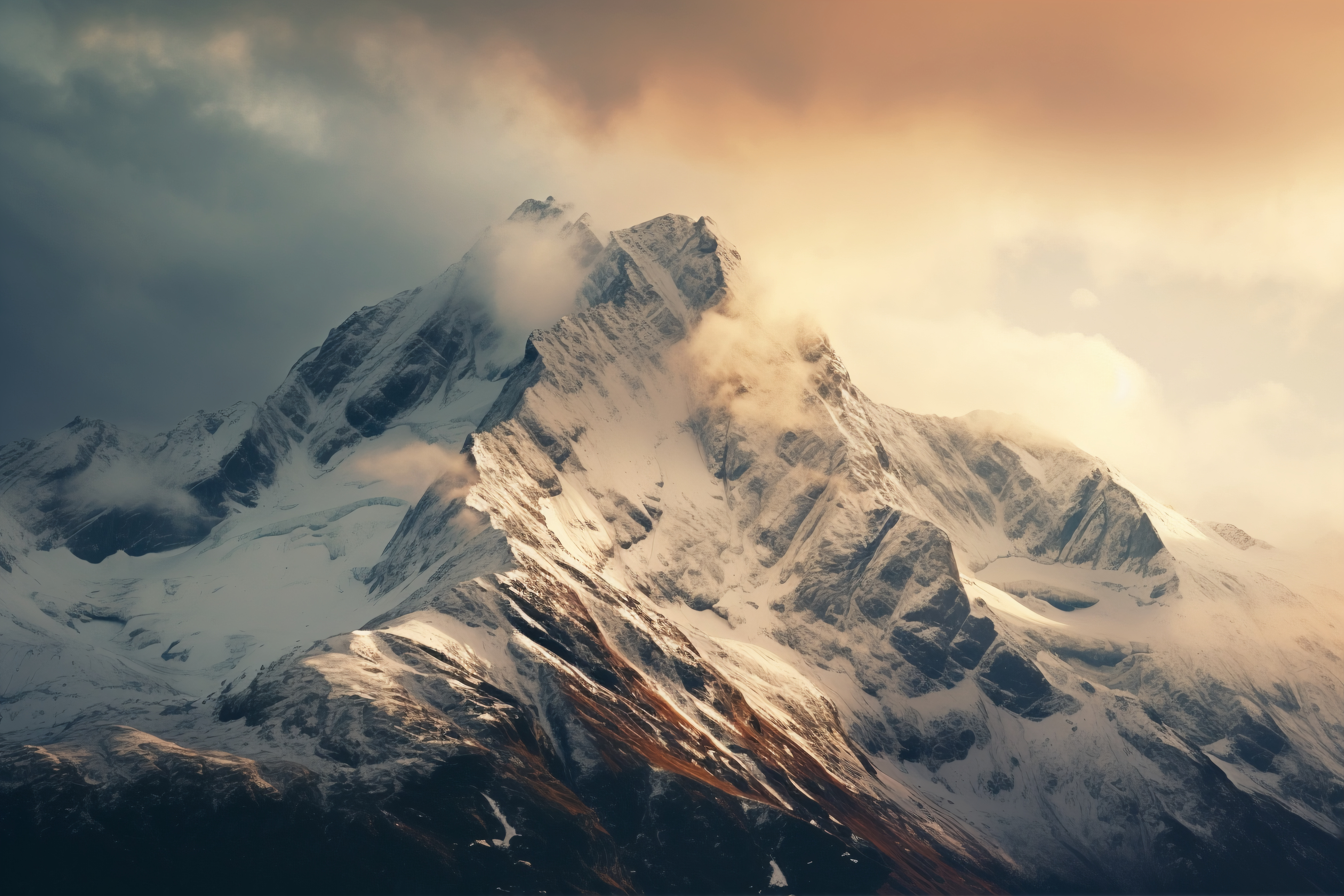
Across cultures, mountains have long symbolised patience, balance, and resilience—qualities that humanity must actively embrace. (Image:Freepik)
Mountains and the Indian Identity
The Himalayas are deeply ingrained in India’s collective consciousness. They are present in mythology as the home of gods, in freedom slogans as symbols of endurance, and in poetry as metaphors of hope. Our rivers, festivals, spiritual traditions, and agricultural practices all trace their origins to these mountains.
To neglect the mountains is to neglect ourselves.
A Future Worth Protecting
International Mountain Day is not simply a celebration of landscapes; it is a recognition of interdependence. Mountains sustain us—physically, economically, and spiritually. In return, they seek our respect, restraint, and stewardship.
As India confronts the dual challenges of climate change and development, the wisdom of the mountains guides us toward achieving balance. Build responsibly. Explore respectfully. Grow sustainably.
Our mountain conservation efforts should be like robust decentralised systems: resilient, transparent, and designed for the long term. They must be grounded in principles that endure, adapt, and protect future generations.
On this International Mountain Day, let us honour the peaks not just with admiration, but with concrete action. The mountains have stood tall for millennia; their continued presence depends on the choices we make today.
(Note: Dr (Prof) Sadhana Kala is a USA-trained robotic & laparoscopic surgeon, Uppsala University, Sweden, trained fertility specialist, Icon Endoscopic Surgeon of North India, and National Icon Endoscopic Surgeon of India. She is rated as India's Best Gynecologist by Google.)
(Disclaimer: The views expressed in this article are the personal opinions of the author.)