
- By De Sadhana Kala
- Sun, 10 May 2026 01:04 PM (IST)
- Source:JND
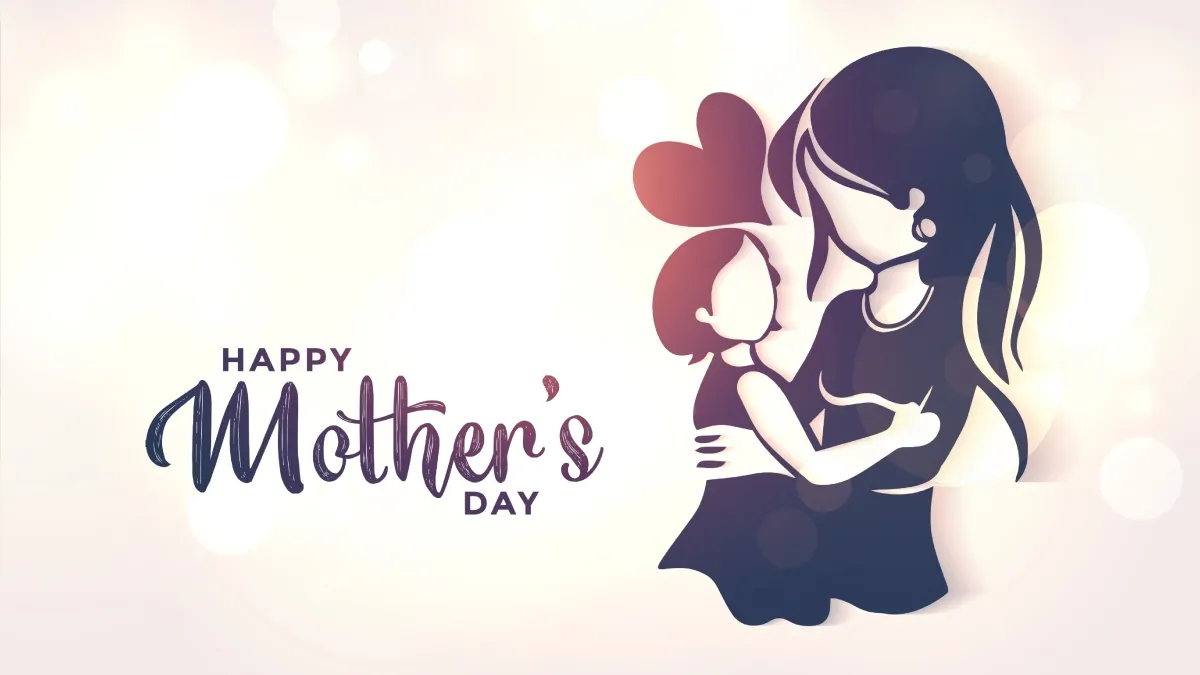
Every year, International Mother’s Day arrives wrapped in flowers, breakfast trays, heartfelt social media posts, and family photographs. Yet beyond the greetings and gifts lies something much deeper—an opportunity to pause and recognise the women whose emotional labour quietly shapes homes, communities, and societies.
In 2026, Mother’s Day feels especially significant. Across the world, conversations around caregiving, mental health, work-life balance, and gender equality have become more urgent than ever. Mothers today are not only raising children; they are balancing careers, managing households, supporting ageing parents, navigating digital parenting challenges, and often carrying the invisible burden of emotional responsibility.
This Mother’s Day is not merely about celebration. It is about acknowledgement.
The Origins of Mother’s Day
Modern Mother’s Day traces its roots to the early 20th century in the United States. Anna Jarvis, often credited as the founder of the occasion, campaigned for a dedicated day to honour mothers after her mother died in 1905. In 1914, US President Woodrow Wilson formally declared the second Sunday of May as Mother’s Day.
Recommended For You

Over the decades, the celebration spread globally and evolved across cultures. While many countries observe it in May, the spirit remains universal: expressing gratitude for maternal love, sacrifice, and resilience.
In India, Mother’s Day has gradually grown from a largely urban celebration into a mainstream cultural moment. Schools organize events, brands launch campaigns, and social media platforms overflow with emotional tributes. Yet at its heart, the occasion remains deeply personal.
The Many Roles Mothers Play
For generations, motherhood was often romanticised as a singular identity. Today, however, mothers are increasingly recognised as multifaceted individuals with ambitions, vulnerabilities, and aspirations beyond caregiving.
A mother may simultaneously be a corporate leader, entrepreneur, teacher, artist, healthcare worker, or farmer. She may be a single parent navigating financial pressures or a homemaker whose unpaid labour keeps the family functioning.
According to various global studies, women continue to perform a disproportionately high share of unpaid domestic and caregiving work. Cooking meals, remembering school schedules, managing family health appointments, and providing emotional support are responsibilities that frequently go unnoticed because they are seen as routine.
Motherhood, in many ways, is built on invisible work.
The pandemic years highlighted this reality dramatically. During lockdowns, mothers across the globe became teachers, caregivers, cooks, and emotional anchors while also managing professional commitments. Even years later, the after-effects continue to shape conversations around maternal burnout and mental health, leading to increased awareness and discussions about the need for support systems and resources for mothers.
The Rise of Modern Motherhood
The image of the 'perfect mother' has also transformed.
Today’s mothers are reshaping parenting according to their own standards. Many are consciously rejecting unrealistic expectations of perfection and embracing a more honest, emotionally aware approach to raising children.
Conversations around gentle parenting, postpartum depression, work-life balance, and maternal anxiety are becoming increasingly mainstream.
Social media has played a dual role in this shift.
On one hand, it has amplified impossible standards through curated family images and idealised parenting narratives. On the other hand, it has created spaces where mothers openly discuss exhaustion, guilt, and identity struggles.
This growing honesty matters.
It reminds society that mothers are human beings, not machines programmed for endless sacrifice.

This Mother’s Day is not merely about celebration. It is about acknowledgement. (Image:Freepik)
Why Emotional Labour Deserves Recognition
One of the most overlooked aspects of motherhood is emotional labour—the invisible mental effort involved in managing relationships, anticipating needs, and maintaining emotional harmony within families.
Mothers often remember birthdays, school deadlines, medical appointments, dietary preferences, and emotional triggers without recognition. They become problem-solvers, peacemakers, and motivators.
Experts argue that emotional labour can be just as exhausting as physical work because it requires constant mental engagement.
Yet it rarely appears in job descriptions, financial calculations, or social acknowledgement.
Mother’s Day, therefore, offers an important reminder: appreciation should not be limited to symbolic gestures once a year. Real recognition comes through shared responsibilities, emotional support, and equitable partnerships within households.
Celebrating Mothers Beyond Biology
Motherhood today is no longer defined narrowly.
The idea of a mother has expanded beyond biological relationships to include adoptive mothers, foster mothers, grandmothers, guardians, elder sisters, and caregivers who nurture and guide others with unconditional care.
Many people also celebrate mentors, teachers, or family friends who have played maternal roles in their lives.
This broader understanding reflects changing family structures and evolving social realities.
It also acknowledges an important truth: motherhood is as much about emotional presence as it is about biology.
The Commercialisation Debate
Like many global celebrations, Mother’s Day has increasingly become commercialized.
Restaurants offer special brunches, online platforms promote gift guides, and brands launch emotional advertising campaigns designed to encourage spending. Critics often argue that the day risks becoming more about consumerism than genuine appreciation.
Anna Jarvis herself eventually criticized the commercialization of Mother’s Day, believing the occasion's original meaning had been diluted.
However, for many families, celebrations—whether through flowers, handwritten notes, or shared meals—remain meaningful expressions of affection.
Ultimately, the sincerity behind the gesture matters more than the amount of money spent on Mother's Day.
Occasionally, the most meaningful gift is time.
The Mental Health Conversation
Another important shift in recent years has been the growing conversation around maternal mental health.
For decades, many mothers were expected to endure stress, exhaustion, and emotional strain silently. Discussions around postpartum depression, anxiety, and parental burnout were often avoided due to social stigma.
Today, awareness is improving.
Mental health experts increasingly emphasize that supporting mothers emotionally is essential not only for individual well-being but also for healthier families and communities.
Encouraging open conversations, creating support systems, and reducing the pressure to appear “perfect” can make a significant difference.
Mother’s Day can therefore become more than a celebratory occasion; it can also serve as a reminder to check in on mothers, ask how they are truly feeling, and offer practical support.
Lessons Mothers Teach Beyond Words
The influence of mothers often extends far beyond childhood.
Many of life’s most enduring lessons—empathy, resilience, kindness, and perseverance—are first learned at home.
Through everyday actions rather than grand speeches, mothers shape values that remain with children for decades.
A child watching a mother navigate adversity learns courage.
A teenager, seeing a mother balance responsibility, learns discipline. A family experiencing unconditional support learns compassion.
These lessons frequently become invisible because they are woven into ordinary moments.
Yet they profoundly shape the emotional fabric of society, influencing how individuals interact and fostering a culture of empathy and understanding.
A New Generation of Appreciation
Younger generations are also redefining how they express gratitude.
While previous generations may have viewed emotional expression as restrained or formal, Gen Z and millennials are increasingly open about celebrating parents publicly and emotionally.
Digital culture has amplified this shift. Viral videos, photo montages, and heartfelt captions have transformed Mother’s Day into a collective online celebration.
At the same time, younger people are also becoming more aware of gender roles and unequal household expectations. Many now recognise that true appreciation involves participation—helping with domestic responsibilities, offering emotional support, and respecting mothers as individuals.
That shift may ultimately be one of the most meaningful outcomes of modern Mother’s Day conversations.
The Real Meaning of Mother’s Day
At its core, Mother’s Day is not about perfection. It is not about expensive gifts, flawless family photographs, or social media performance. It is about gratitude. It is about recognising the countless invisible acts of care that sustain families every single day.
It is about acknowledging that mothers, despite their strength, also need support, rest, and appreciation.
And perhaps most importantly, it is about understanding that love is often expressed not through dramatic gestures but through consistency—the daily acts of showing up, listening, comforting, and caring.
As International Mother’s Day 2026 is celebrated worldwide, the occasion offers a chance to move beyond routine greetings and reflect more deeply on what motherhood truly represents.
Because behind every strong family, there is often a woman carrying far more than the world can see. And that deserves recognition not just once a year, but every day.
(Note: Dr (Prof) Sadhana Kala is a USA-trained robotic & laparoscopic surgeon, Uppsala University, Sweden, trained fertility specialist, Icon Endoscopic Surgeon of North India, and National Icon Endoscopic Surgeon of India. She is rated as India's Best Gynecologist by Google.)
(Disclaimer: The views expressed in this article are the personal opinions of the author.)