
- By Ridam Sharma
- Fri, 07 Aug 2026 11:30 AM (IST)
- Source:JND
Modern Marriage Trends: There was a time when marriage barely needed explaining. It arrived at a certain age, in a certain order, largely unquestioned, something you grew into rather than something you chose. That has changed, and for the better. Millennials and Gen Z are still getting married, still building families, still believing in the idea of spending a life with someone. They are simply doing it with more intention, more self-awareness, and on terms they have actually chosen for themselves.
How Millennials And Gen Z Are Changing The Meaning Of Marriage
Millennials and Gen Z are not a generation losing faith in marriage. It is two generations upgrading it, thoughtfully and on purpose. Finishing school, getting a job, getting married, and figuring out the rest together used to be an unspoken sequence almost nobody questioned. Millennials were the first to step off that script, and Gen Z has taken it further still, not out of doubt in the institution, but out of a clear-eyed determination to enter it ready, not just on schedule.
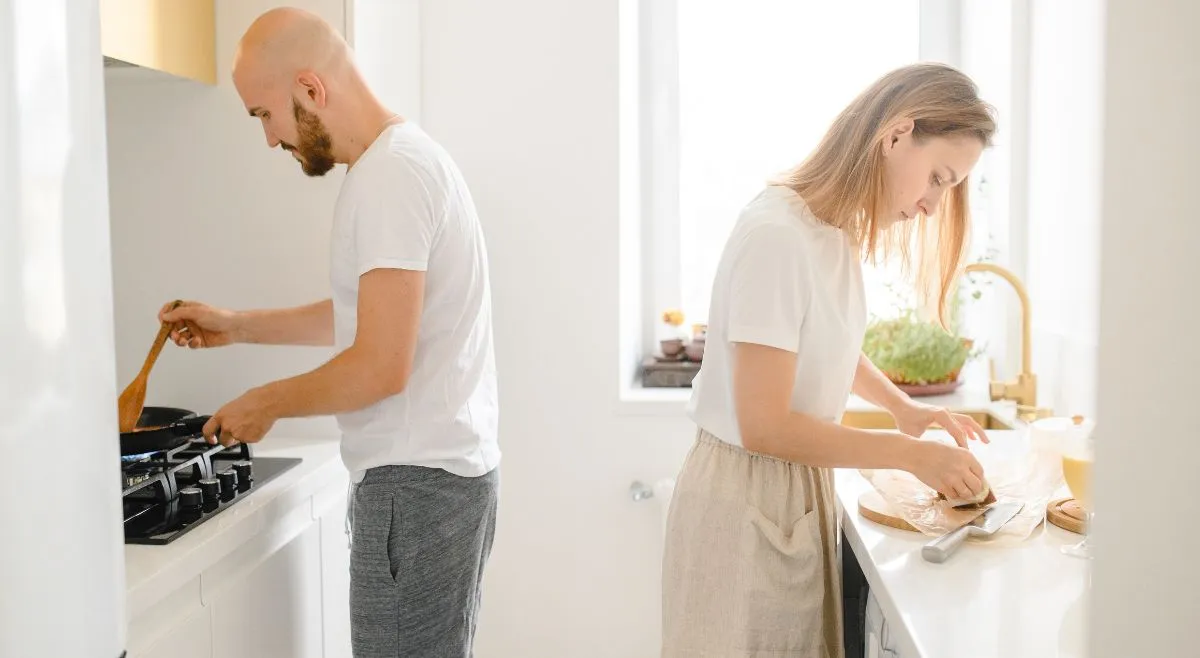
Shared responsibility (Image Credit: Canva)
Why Love And Compatibility Matter More Than Tradition
According to Mishi Mehta, Co-Founder, MatchMe, “Compatibility now matters more than convenience, and that shift is one of the healthiest changes to happen to modern relationships. A generation or two ago, a ‘good match' often meant the right family, a stable income, a similar background. Those things still matter, but they no longer decide everything."
She added,"What matters more today is whether two people genuinely enjoy each other's company, how someone shows up during a hard week, whether disagreements get resolved with respect, and whether the relationship feels like a true partnership. It is a slower way to choose someone. It is also, quite simply, a smarter one, and it is setting couples up for marriages built to last.”
Equality And Shared Responsibilities Are Becoming The Foundation Of Modern Marriages
Gender roles inside marriage are evolving too, and it is one of the most promising shifts underway. Who earns what, who manages the household, whose career takes priority when a big decision comes up- none of it gets assumed anymore. Couples are having these conversations early and openly, long before five years in, which means far fewer surprises and far more equal partnerships. It does not always land perfectly. But the willingness to talk about it openly, from day one, is a real marker of progress.
ALSO READ: What Is ‘Throning’? All About Shocking Dating Trend Taking Over TikTok And Gen Z Relationships
The question of who gets to marry has widened as well. This generation has grown up with far more visibility around identity and relationships than any before it, and marriage as an institution is expanding to reflect that, making room rather than drawing lines.
Financial Independence Is Reshaping Relationships
Financial independence has also become an important aspect of modern marriages; the fad of one taking care of home while the other earns is gradually fading. Now both individuals in a marriage work and take care of the home, without any extra baggage of earning, cooking or doing household chores.
ALSO READ: What Is Fictosexuality? Why Gen Z Is Choosing Fictional Characters Over Real-Life Relationships
What The Future Of Marriage Looks Like
The future of marriage has become more open and based on shared responsibilities and equality. Marriage is a personalised phenomenon; people like to live life on their own terms and not what society expects out of them. Additionally, technology and therapy have also served as supporting aspects.
None of this points to a generation losing interest in marriage. If anything, they care more about getting it right than any generation before them, even if that means taking their time, asking better questions, and building something that looks different from what their parents had. Marriage is being reimagined, on new terms, by people who watched the generation before them and decided, thoughtfully, what was worth keeping and what was worth changing for the better.