
- By Ridam Sharma
- Thu, 23 Jul 2026 05:30 PM (IST)
- Source:JND
Fragrant House Plants: The rains in monsoon season, along with humidity, make an ideal breeding ground for mould, mildew, and bacteria. Additionally, monsoon is often referred to as the ‘season of dampness’ due to locking in moisture; all these aspects not only feel damp and musty, but also trigger an annoying odour. In such weather, good ventilation does play a crucial role, but other than that, to naturally keep homes scented, plant fragrant plants.
10 Fragrant House Plants That Naturally Keep Monsoon Odours Away
Here is a list of 7 fragrant plants that can naturally freshen up your space. It is important to note that some plants release a pleasant aroma, while others help improve indoor air quality, making your home feel cleaner and more inviting. Take a look:
1. Jasmine:
The gardenia plant produces creamy white flowers with a rich floral scent and grows well in humid weather. These plants require specific conditions to thrive, like highly acidic, well-draining soil and bright indirect light or morning sun.
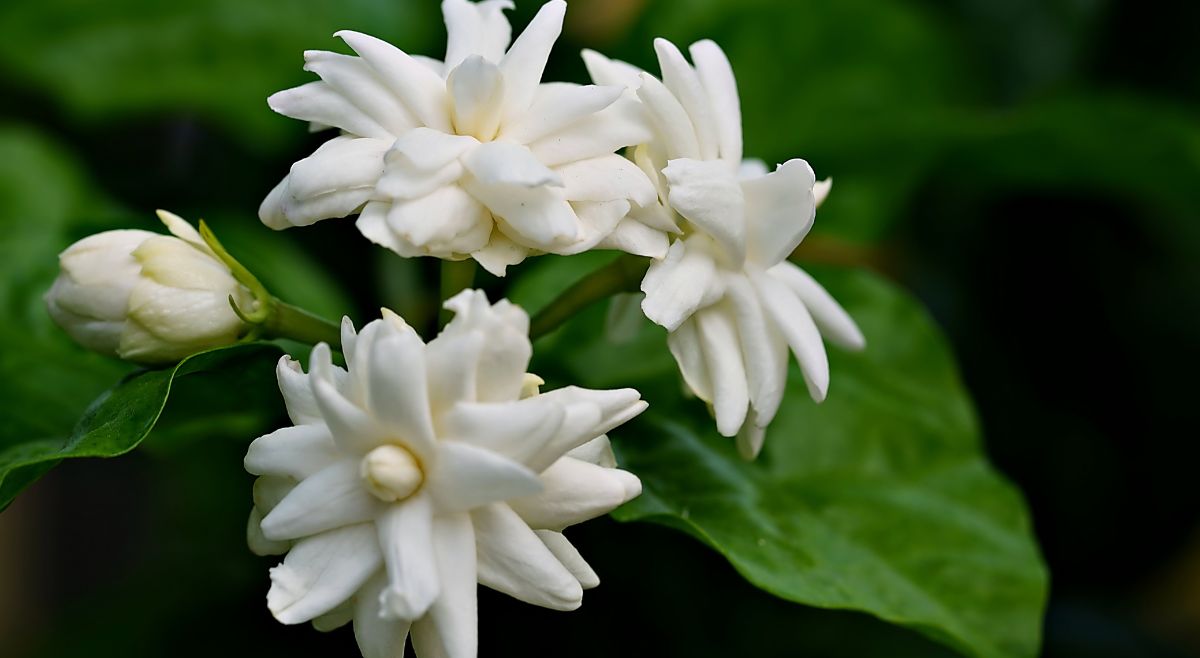
Jasmine (Canva)
2. Gardenia:
The gardenia plant produces creamy white flowers with a rich floral scent and grows well in humid weather. These plants require specific conditions to thrive, like highly acidic, well-draining soil and bright indirect light or morning sun.
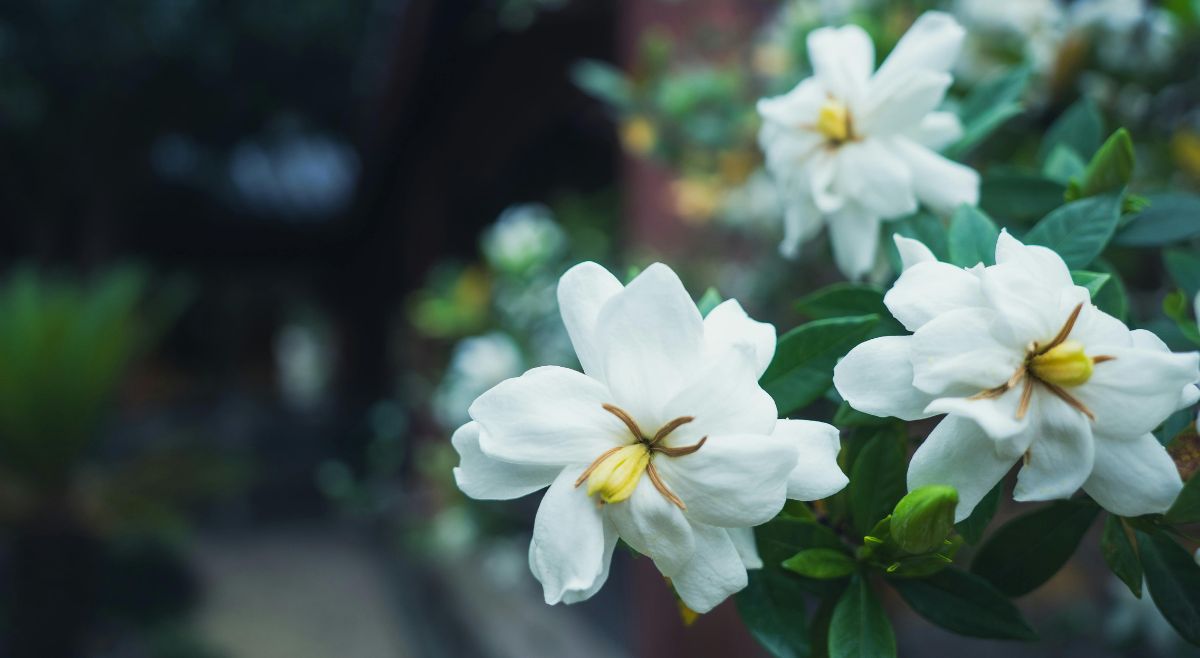
Gardenia (Canva)
3. Lavender:
Lavender is world-famous for its calming aroma. It is also useful for masking musty smells and does best with good light, 6 to 8 hours of direct daily sunlight and sandy, well-draining soil.
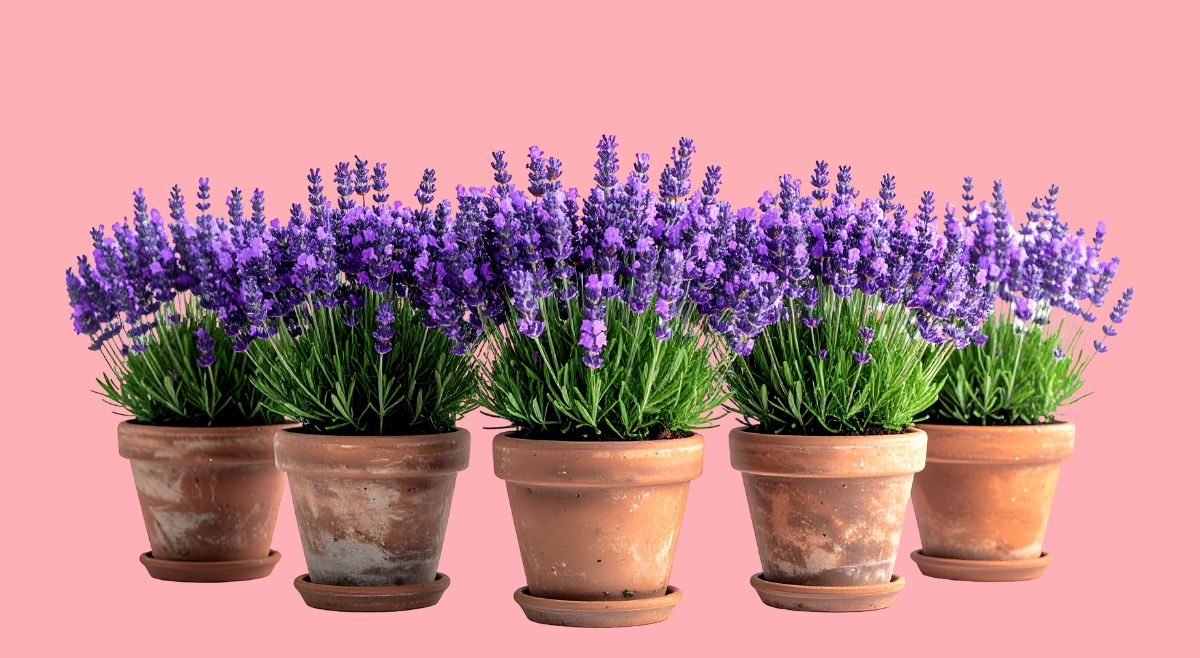
Lavender (Canva)
4. Mint:
Mint is traditionally a kitchen herb, used to add a refreshing aroma to dishes. You can also keep it in the kitchen, and it thrives in rich, consistently moist soil and partial shade.
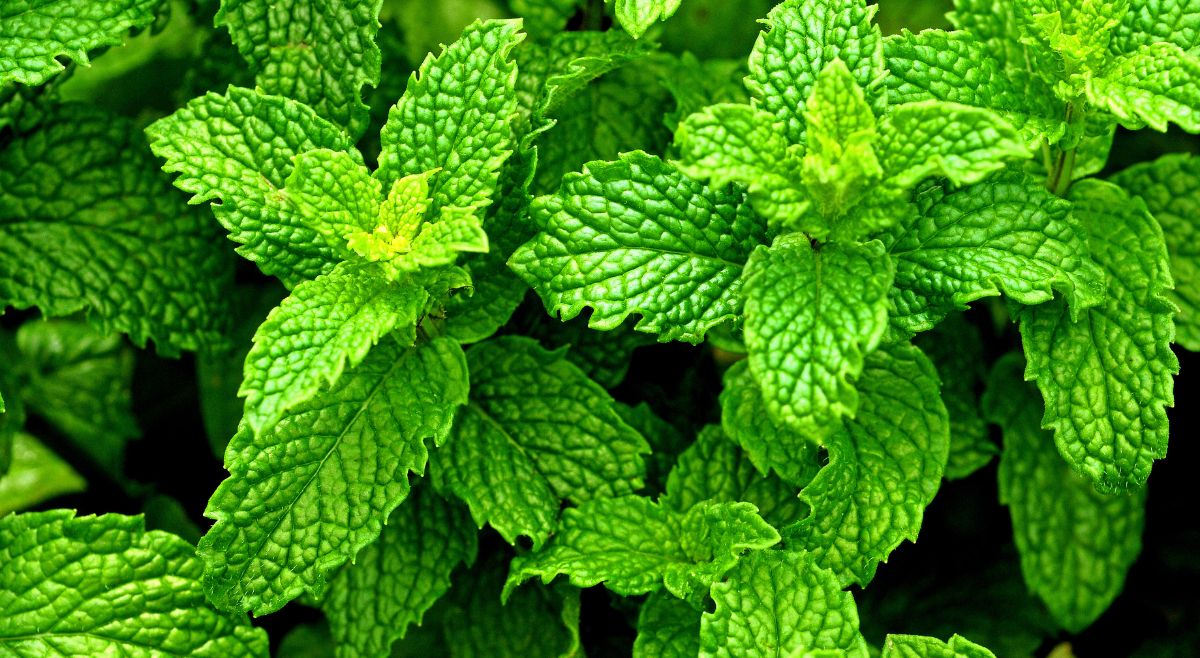
Mint (Canva)
5. Lemon Balm:
Lemon balm is a citrusy herb that adds a mild and clean smell to your indoor spaces and grows well in pots if the weather features full sun to partial shade, fertile and well-draining soil (pH 6.5–7.0), and consistently moist conditions
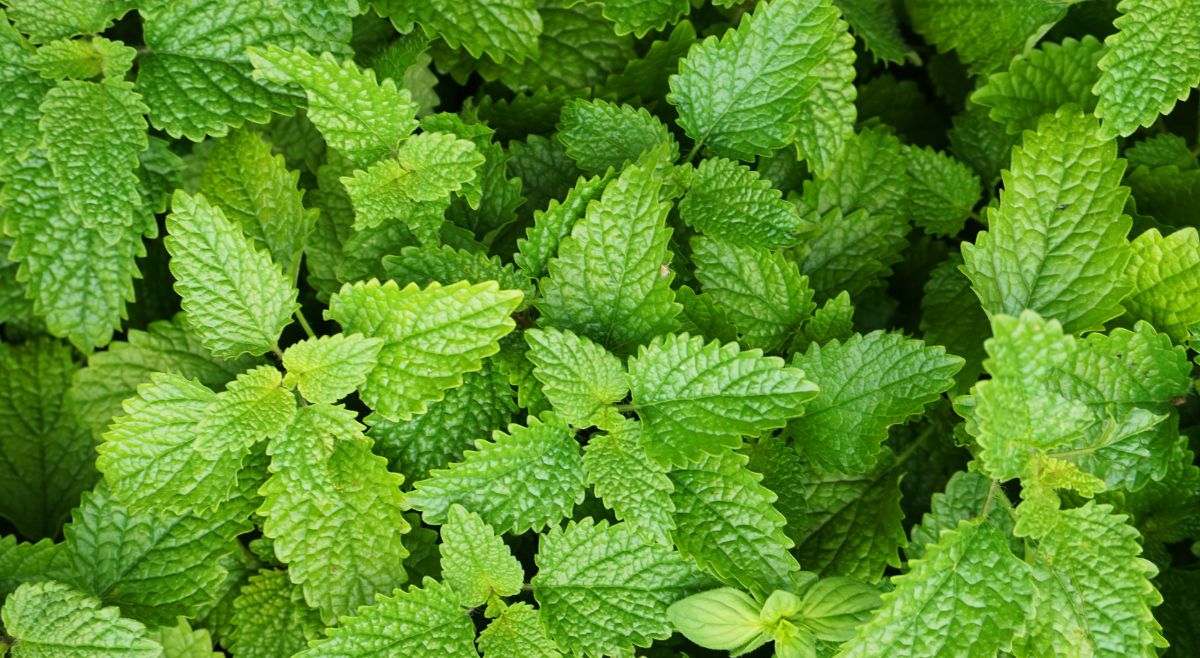
Lemon Balm (Canva)
6. Rosemary:
Rosemary has an aromatic, woodsy fragrance that makes sure your room smells nice all day long. The herb can also be used for culinary purposes. However, the plant needs warm, sunny climates with 6 to 8+ hours of direct sunlight daily to overpower monsoon dampness.

Rosemary (Canva)
7. Tulsi (sweet basil):
Tulsi, also known as sweet basil, with its fresh and earthy smell, makes up for a great indoor plant option, especially in Indian households, which regard the plant as a goddess.
-1762069468274.jpg)
Tulsi Plant (Image: Canva)
8. Eucalyptus:
Small potted plants of eucalyptus add the freshness of spas in your rooms and thrive on full sun (6–8 hours daily) and well-draining, slightly acidic soil. They are not just fragrant, but also add to the green aesthetic of your space.

Eucalyptus (Canva)
9. Scented Geranium:
Geraniums give a mixed fragrance of lemon, rose, mint, etc. They also grow well in 6-8 hours of direct sunlight, well-draining sandy/loamy soil, and warm temperatures.
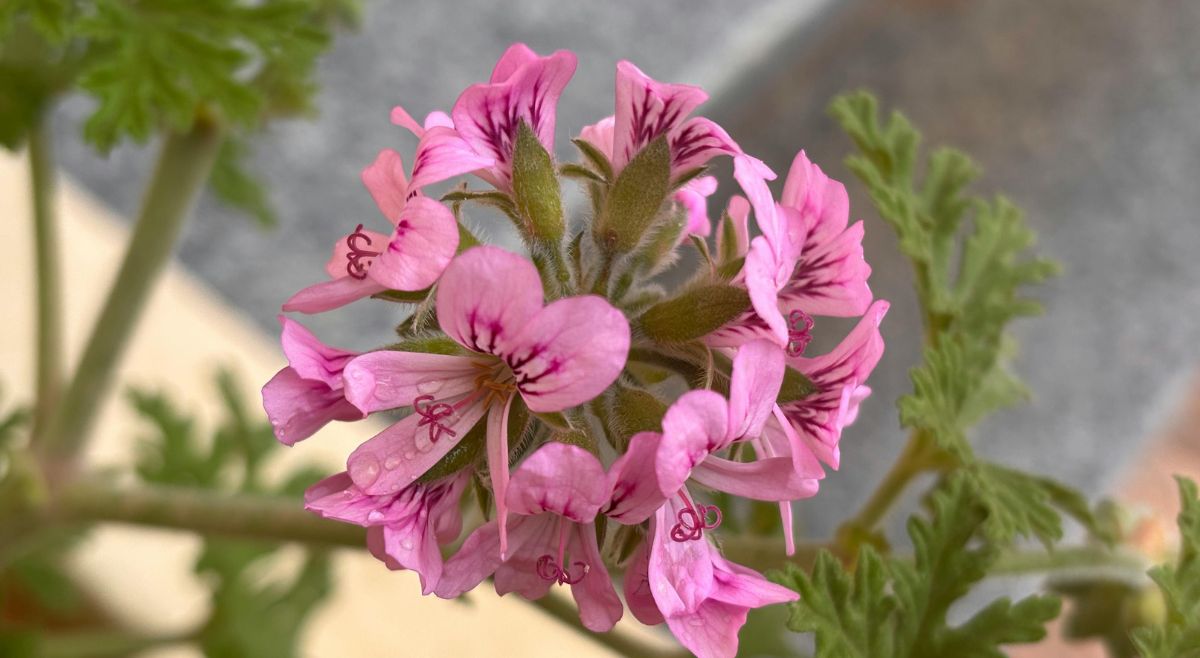
Scented Geranium (Canva)
ALSO READ: 5 Plants That Help To Keep Rats Away From Home Naturally
10. Hoya:
Hoya plant is also known as the wax plant. It is very easy to take care of, as all it needs is bright, indirect sunlight, warm temperatures, and high humidity.
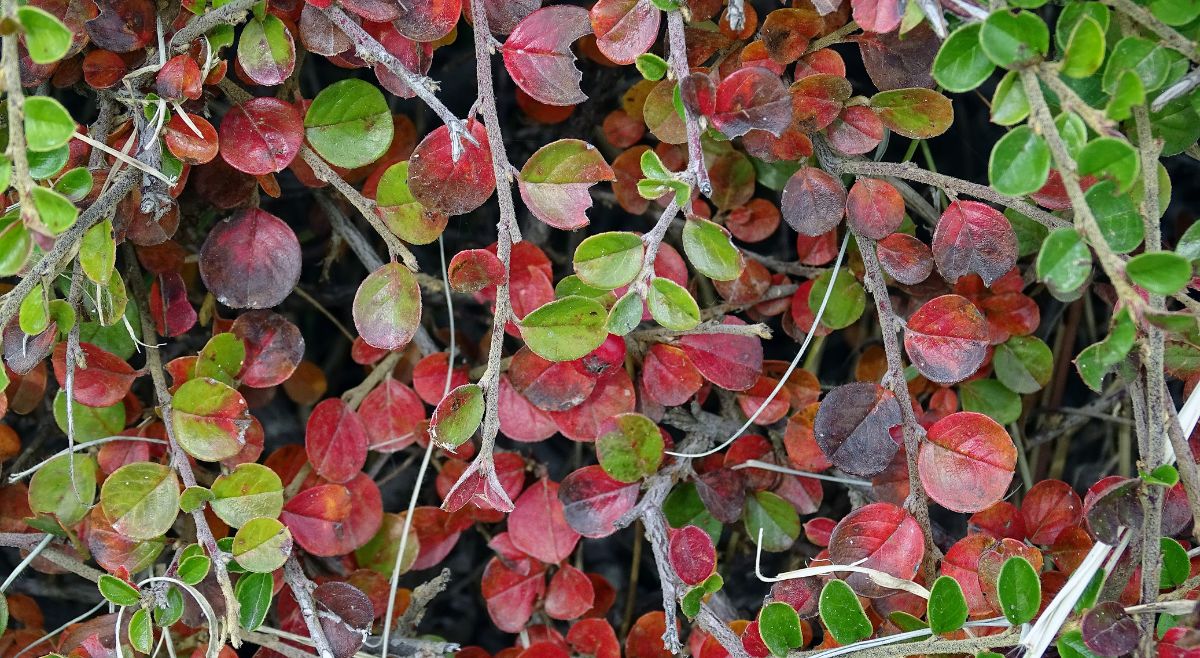
Hoya (Image Credit: Canva)
Put these plants where they get the right amount of light, because fragrance is often strongest in healthy, well-kept plants. Bright windows, balconies, and airy corners are usually better than dark, closed spaces during monsoon. Avoid overwatering, as moisture might worsen the very smell you are trying to reduce. Use well-draining pots and let the top layer of soil dry slightly before watering again.
ALSO READ: Monsoon Gardening 2026: Top 7 Plants To Grow During The Rainy Season In India
Lastly, if you want a home that feels fresher in the rainy season, fragrant house plants are a simple, low-chemical solution. The best results come from combining them with ventilation, dry storage, and regular cleaning so the scent stays pleasant rather than masked.