
- By Aditya Jha
- Sat, 04 Apr 2026 07:00 PM (IST)
- Source:JND
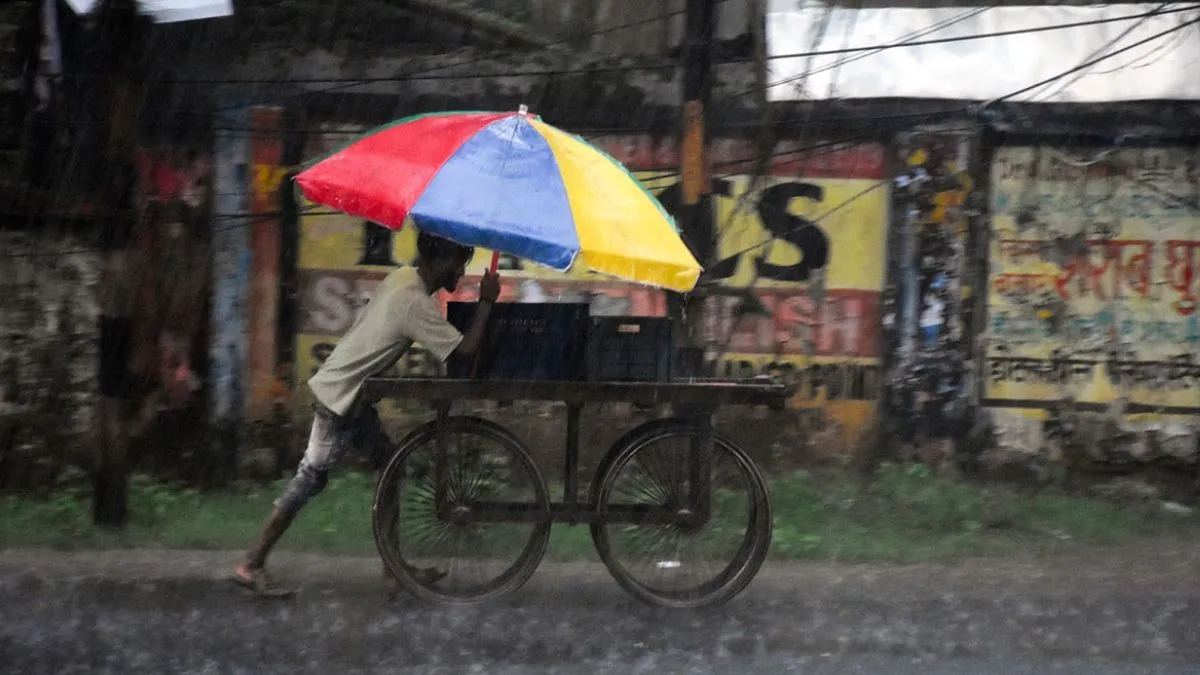
Weather Update: The India Meteorological Department (IMD) has stated that several regions of northern and central India are set to witness light to heavy rainfall for the next few days. The weather department asserted that a 1,000-kilometer cloud band stretches across several regions of India and Pakistan, leading to a sudden change in the weather. A powerful western disturbance is likely to lead to heavy rainfall, along with thunderstorms, heavy wind, and lightning.
While providing details, the weather department stated that several states, including Delhi, Punjab, Haryana, Uttar Pradesh, Rajasthan, Madhya Pradesh, and Maharashtra, are set to receive severe hailstorms and intense rain. It asserted that the most intense rainfall in these regions is likely between 2 PM and 11 PM on Saturday. The continuous rainfall is likely to lead to waterlogging in the lower regions, leading to inconveniences.
ALSO READ: Pakistan To Return $2 Billion Loan To UAE By April End Amid West Asia Crisis: Report
The rainfall is also likely to reduce the temperature by three to four degrees Celsius, providing relief from the heat. However, the weather department clarified that the temperature is likely to increase significantly in the second week of April.
Apart from this, several parts of Delhi-NCR and Haryana are also likely to witness thundersqualls during the late-night hours. The surface wind speed suddenly increases during a thundersquall, lasting for several minutes, leading to severe damage to the temporary structures. The wind speed reaches 60 to 70 kilometers per hour and is capable of damaging the crops.
ALSO READ: No PNG, No LPG: Delhi Tightens Rules For Commercial Cylinder Supply
While the untimely rain has already damaged the crops in Rajasthan, the rural regions of Madhya Pradesh and Maharashtra are also set to witness heavy rain. The IMD has advised the residents to follow the guidelines and limit their outings to avoid any inconveniences. It also suggested the farmers protect their crops and not hide beneath any big tree or electricity pole.