
- By Chetna Shree
- Thu, 02 Apr 2026 08:58 PM (IST)
- Source:JND
US-Iran War: The Centre on Thursday clarified that there have been 'no such discussions with Iran' on imposing tolls on Indian-flagged or Indian-operated vessels passing through the Strait of Hormuz, a key maritime route now at the centre of heightened tensions amid the Iran war.
Ministry of External Affairs (MEA) spokesperson Randhir Jaiswal made the statement during a press briefing in New Delhi on Thursday. This clarification comes days after the Iranian state media reported that Iran's Parliament Security Committee approved a new management plan for the Strait of Hormuz that includes measures to impose tolls on vessels passing through the strategic waterway and restrictions on certain countries.
Commercial Traffic Through Strait Of Hormuz Drops 94%
Commercial shipping through the Strait of Hormuz has dropped to just six per cent of normal levels, a 94 per cent collapse compared with the same period last year, according to Lloyd’s List Intelligence.
The limited traffic that continues is dominated by sanctions-evading tankers carrying Iranian oil, the report said.
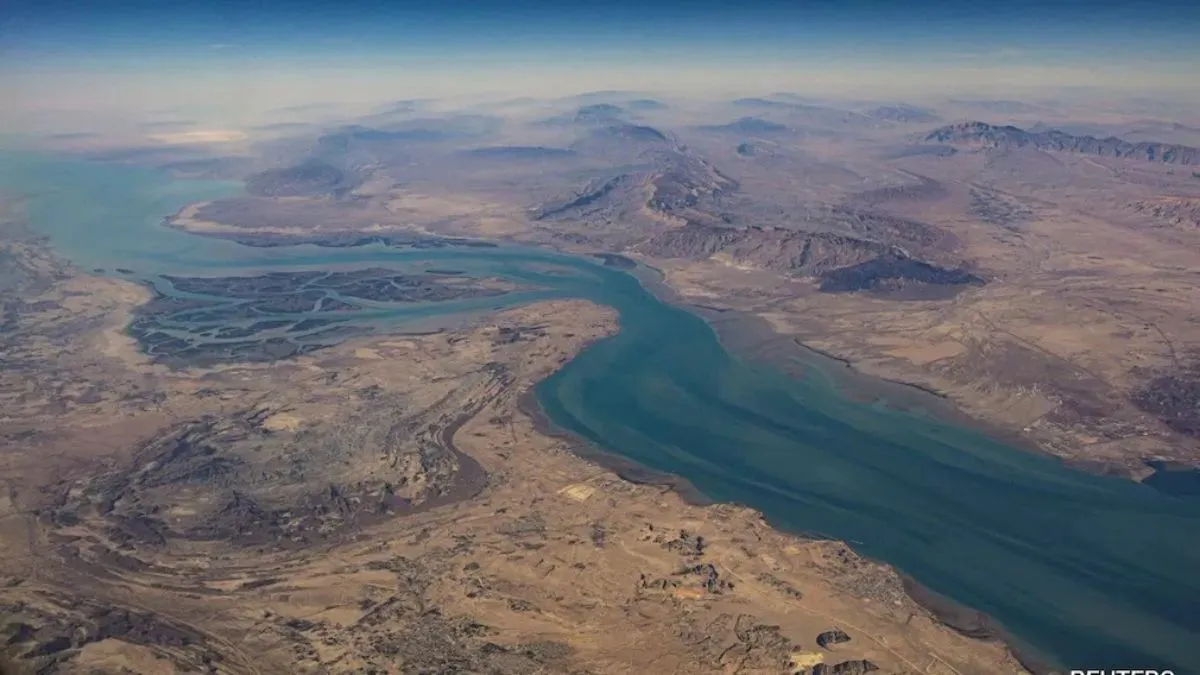
Amid the disruption, Iran has introduced a 'toll-booth' screening system. Vehicles are no longer permitted to use the usual deep-water channel running through the middle of the strait. Instead, they are being redirected north, close to the Iranian coastline around Larak Island.
To secure passage, vessel operators are required to contact intermediaries approved by Iran's Islamic Revolutionary Guard Corps and provide detailed information, including ship ownership, cargo manifests and crew lists.
The concrete evidence of actual payment remains limited. Of at least 63 vessels that navigated the Larak Island route in the past two weeks, only two are confirmed to have paid a fee. The remainder of them appear to have secure passage following diplomatic intervention by their respective governments, according to Lloyd's List.
In peacetime, the strait carries roughly 20 per cent of the world's crude oil and liquefied natural gas.