
- By Shubham Bajpai
- Tue, 07 Apr 2026 07:04 PM (IST)
- Source:JND
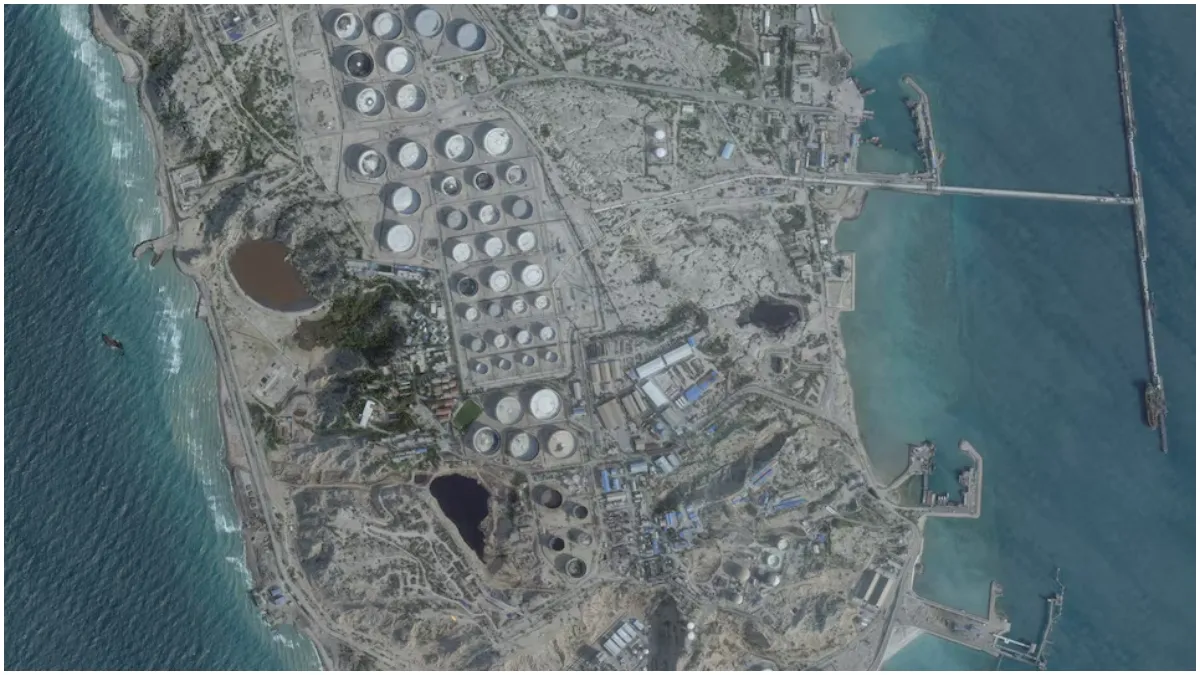
As the Tuesday deadline set by Donald Trump for Iran is nearing, Israel and the US have already started targeting high-intensity targets in Iran. On Tuesday, the US military bombed 50 sites on Kharg Island, Tehran's main crude export hub in the Persian Gulf.
Tuesday's attack on Kharg is, however, not the only high-value target hit by the US and Israel in recent days. On Monday, the Israeli forces struck the South Pars gas field. The strike was confirmed by Israeli Defence Minister Israel Katz, who said that the IDF was instructed to continue to attack Iranian infrastructure "with all force".
Speaking about the impact of the attack, Katz said, "Now the two facilities, which together are responsible for about 85% of Iran’s petrochemical exports, have been taken out of service and are not functioning".
The attack on Monday was the second hit on the South Pars gas field since March 18, when Iran retaliated with an attack on Ras Laffan, taking stakes in the war to the highest.
Back then, Trump had assured that Tel Aviv would not attack South Pars until Tehran strikes against Qatar’s energy infrastructure. He added that in such a case, Washington would retaliate and "massively blow up the entirety" of the field.
The latest string of attacks has raised questions as to why high-value targets are being struck by Israel and the US even as Trump is looking to make terms with Iran.
Why are Israel, US targeting high-value targets?
Pushing Iran to negotiating table through coercive diplomacy: Iran has so far remained firm on negotiations and has reportedly rejected the temporary truce proposal, suggesting that the Strait of Hormuz could only be opened once a complete ceasefire is achieved. It is believed that Israel and the US are targeting the most crucial Iranian targets as part of coercive diplomacy, as they serve as the economic and strategic backbone of the Islamic regime. Destroying them would break Iran's morale to fight, ultimately pushing it to the negotiating table.
Dealing massive economic blow before ceasefire: Among many anticipated reasons behind choosing high-end targets is that Tel Aviv and Washington want to degrade the Iranian economic strength before the ceasefire takes effect. The pre-ceasefire punitive degradation strategy could be aimed at making peacetime Iran an economically weaker enemy with less regional control.
Triggering internal discord: South Pars is the world's largest natural gas that fulfils Iran's 85 per cent needs. Similarly, Kharg is strategically very important to Iran as it exports 95 per cent of its crude through it. Besides, Israel has also attacked the railway infrastructure in the latest strikes, prompting the closure of multiple stations and suspension of services. Israeli attacks on key infrastructure are likely to strike discord among the citizens, to bring them to the streets and cause internal instability.
War of attrition: Since the war was started against Iran, Israel and the United States have been fighting to degrade Iranian air, ground and naval capabilities to fight a long war. However, largely successful, the strategy has failed to ensure the opening of the Strait of Hormuz. Attacking Kharg is the last resort for Israel and the US to loosen Tehran's hold on the key chokepoint.