
- By Raju Kumar
- Fri, 29 May 2026 07:48 PM (IST)
- Source:JND
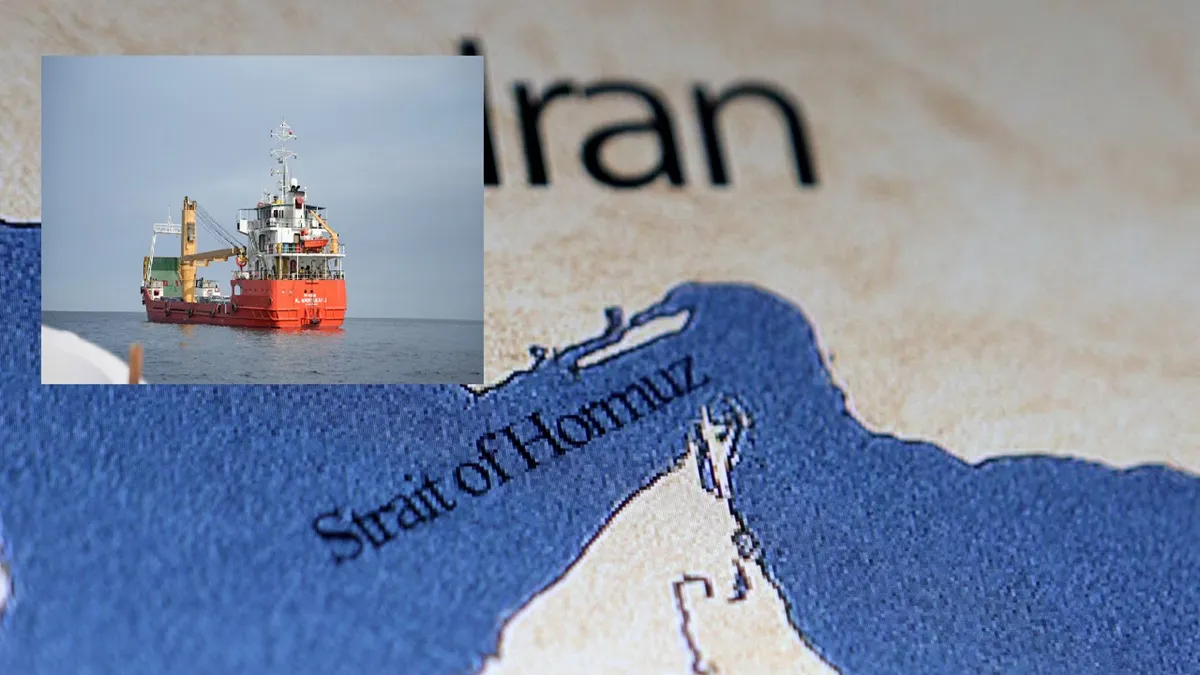
Strait Of Hormuz: Oil tankers carrying petroleum for India pass through the Strait of Hormuz amid conflict between Iran and the US. In the past few days, several fuel ships en route to India were allowed to pass the global chokepoint, which became a flashpoint between the two warring sides, creating global energy havoc. As India continued to receive ships despite the alleged blockade by the US and Iran, people now wonder how New Delhi managed to bring oil from the conflict region.
How Does India Get Its Ships Through The Strait Of Hormuz?
The government said there are diplomatic channels that work on a war footing to ensure the safe passage of the ship, and details cannot be shared in public amid hostility in the Gulf region. The Ministry of Ports, Shipping and Waterways on Friday shared some details of the efforts while denying some sensitive information to disclose. Opesh Kumar Sharma, director of shipping at the Ministry of Ports at the inter-ministerial briefing said the officials coordinate with Iran and other stakeholders through the Ministry of External Affairs (MEA).
ALSO READ: US Strikes Iran Again After Trump Rejects Strait Of Hormuz Deal Claims; Oil Prices Jump
The Ministry of Ports, Shipping and Waterways continues to coordinate with the Ministry of External Affairs, Indian Missions, and maritime stakeholders to ensure seafarer welfare and uninterrupted maritime operations, Sharma explained.
Crude Oil Tanker Has Passed Hormuz And Likely To Reach India On June 3
As part of vessel movement, a merchant vessel, Nissos Keros, a Marshall Islands-flagged crude oil tanker, safely transited the Strait of Hormuz on the night of 25th–26th May and is bound to arrive at Visakhapatnam on 3rd June 2026, he said, adding that this merchant vessel is carrying approximately 2,70,000 metric tons of crude oil.
"It has an all-foreign crew and is a Marshall Islands-flagged vessel. All Indian seafarers in the region are safe, and no incident involving Indian seafarers, either on Indian-flagged or foreign-flagged merchant vessels, has been reported," said Sharma.
Focus On Safety Of Indian Community: MEA
Aseem R. Mahajan, Additional Secretary (Gulf), MEA said the Ministry of External Affairs continues to closely monitor developments in the Gulf and West Asia region. Our efforts are focused on ensuring the safety and welfare of the Indian community in the region, he added.
"Our embassies and consulates in the region are operating round-the-clock helplines to provide timely assistance to Indian nationals. They are proactively assisting our citizens and are also in close touch with the local governments. The overall flight situation continues to improve with additional flights operating from the region to various destinations in India. Flights are operating from various airports in Saudi Arabia and Oman to different destinations in India. Qatar airspace is partially open," he added.
ALSO READ: US-Iran Tensions Escalate Again: Why Tehran Distrusted Talks; What Lies Ahead?
Meanwhile, the government maintains adequate stocks of diesel, LPG, natural gas, and crude oil, with all refineries operating at optimum levels and LPG production at a record high of around 92 TMT per day. "No LPG distributorship has reported a dry out. While some districts have witnessed unusually high sales of petrol and diesel due to agricultural demand and shifting market patterns, supplies remain stable. State governments, Union Territories, and industry associations have been advised to prevent hoarding and black marketing, and consumers urged to procure fuel only through authorised channels," said Sujata Sharma, Joint Secretary, Petroleum Ministry.
Oil prices have increased by about 50 per cent, and traffic through the Strait of Hormuz has fallen by more than 90 per cent from pre-conflict levels since Iran blocked the Strait of Hormuz following the US and Israel's coordinated strikes on February 28. India imports 88 per cent of its crude oil needs and roughly half of its natural gas requirement. These mostly come via the Strait of Hormuz.
(With Agencies Inputs)