
- By Surarika Das
- Sat, 18 Apr 2026 02:14 PM (IST)
- Source:JND
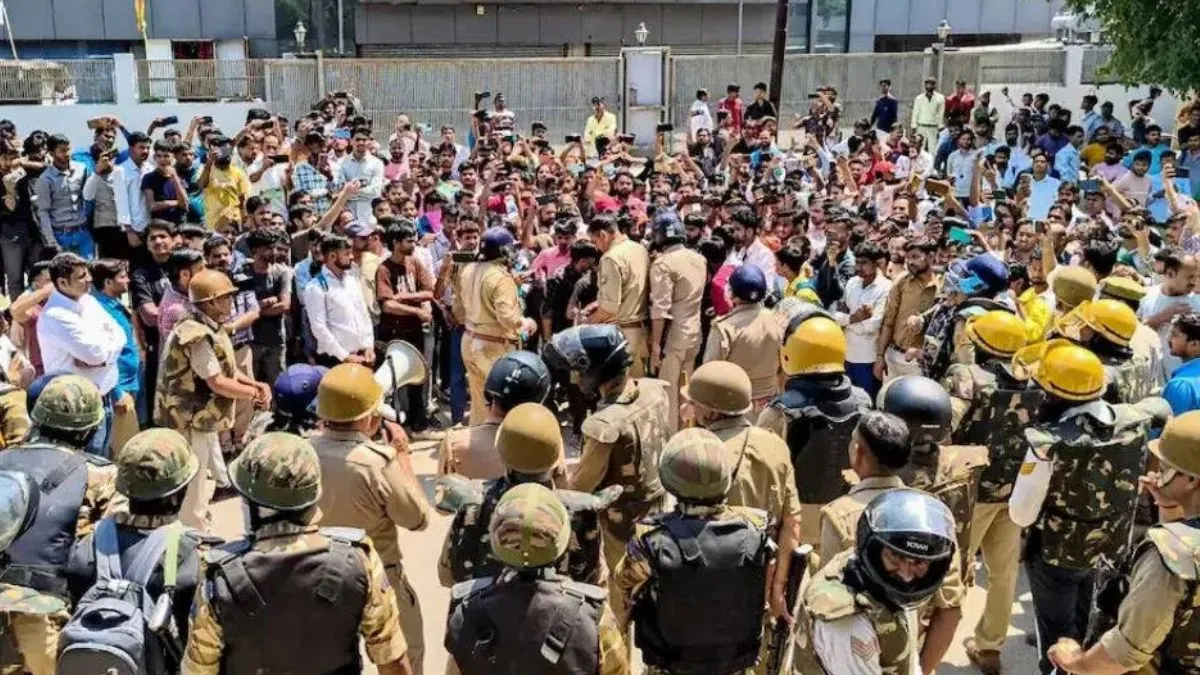
The Uttar Pradesh government has finally approved revised minimum wage rates across the state, days after the violent workers' protest occurred in Noida. The workers protest in Noida was conducted to pull the attention of the government towards the low wage structure.
Reacting to the protest, the Yogi Adityanath-led government has implemented a revised framework to address the concerns of the workers. Under the new system, which has come into effect from April 1. The three-tier structure is based on cost of living and levels of urbanisation. The structure also includes Variable Dearness Allowance (VDA) along with the basic wage, allowing salaries to be adjusted according to inflation.
ALSO READ: DA Hike: Centre Approves 2% Hike In Dearness Allowance For Central Employees From 58% To 60%
As per a government official, the revision follows recommendations made by a high-level committee and is being introduced as an interim relief measure. The key objective of the revision is to maintain a balance between labor welfare and economic sustainability.
Three-Tier Wage Structure
The districts in UP have been grouped into three categories under the revised system. The places falling under the top racket are Gautam Buddh Nagar and Ghaziabad, as these places have a high cost of living. The minimum monthly wages in these districts have been set at Rs 13,690 for unskilled workers, Rs 15,059 for semi-skilled workers, and Rs 16,868 for skilled workers.
The remaining districts will come under the third category. In these areas, wages have been set at Rs 12,356 for unskilled workers, Rs 13,590 for semi-skilled workers, and Rs 15,224 for skilled workers.
According to the state officials, this classification reflects regional economic differences and is aimed to bring greater uniformity in wage determination. The structure, they noted, attempts to balance the demands of workers with the financial realities faced by employers.
The Noida Protest
On April 13, the lanes of Noida witnessed scenes of unrest across the city after factory workers burnt vehicles, hurled stones, and clashed with police while raising their voices against low wages, irregular schedules, and more. The unrest was the result of stark pay disparities between states, highlighted by neighbouring Haryana's recent 35 per cent increase in minimum wages following similar demonstrations.