
- India invited Pakistan to SCO Civilisational Dialogue Forum.
- Forum aims to promote cultural cooperation and people-to-people ties.
- Invitation doesn't signal resumption of bilateral talks with Pakistan.
New Delhi: India's decision to invite Pakistan to the inaugural Shanghai Cooperation Organisation (SCO) Civilisational Dialogue Forum in New Delhi has drawn attention amid strained bilateral relations, with former Foreign Secretary Kanwal Sibal’s views adding a diplomatic dimension to the development. India has invited all 10 SCO member states to the November 20–22 forum, including Pakistan, whose participation remains unconfirmed. The move comes months after Operation Sindoor in May last year, against the backdrop of continuing tensions between New Delhi and Islamabad.
"As per established practice, we have invited all SCO members. We have also invited dialogue partners and one observer," Ministry of External Affairs Spokesperson Randhir Jaiswal confirmed during weekly press briefing in New Delhi on Wednesday
According to India Today, Pakistan’s Minister for National Heritage and Culture, Aurangzeb Khan Khichi, has been invited to attend the forum. If he accepts, his visit would mark a notable instance of high-level Pakistani participation in an event hosted by India amid strained relations. The last visit by a Pakistani foreign minister to India was in May 2023, when Bilawal Bhutto Zardari attended the SCO Council of Foreign Ministers meeting in Goa.
If Khichi accepts the invitation, his visit would mark a notable development in India-Pakistan engagement amid continuing diplomatic tensions. The last visit by a Pakistani foreign minister to India was in May 2023, when Bilawal Bhutto Zardari travelled to Goa to attend the SCO Council of Foreign Ministers meeting.
Recommended For You
Why Has India Invited Pakistan Despite Bilateral Tensions?
India’s invitation reflects its engagement through multilateral platforms, even as bilateral relations with Pakistan remain strained. The proposed forum aims to promote cultural cooperation, strengthen people-to-people connections and encourage dialogue among countries with diverse historical and civilisational backgrounds.
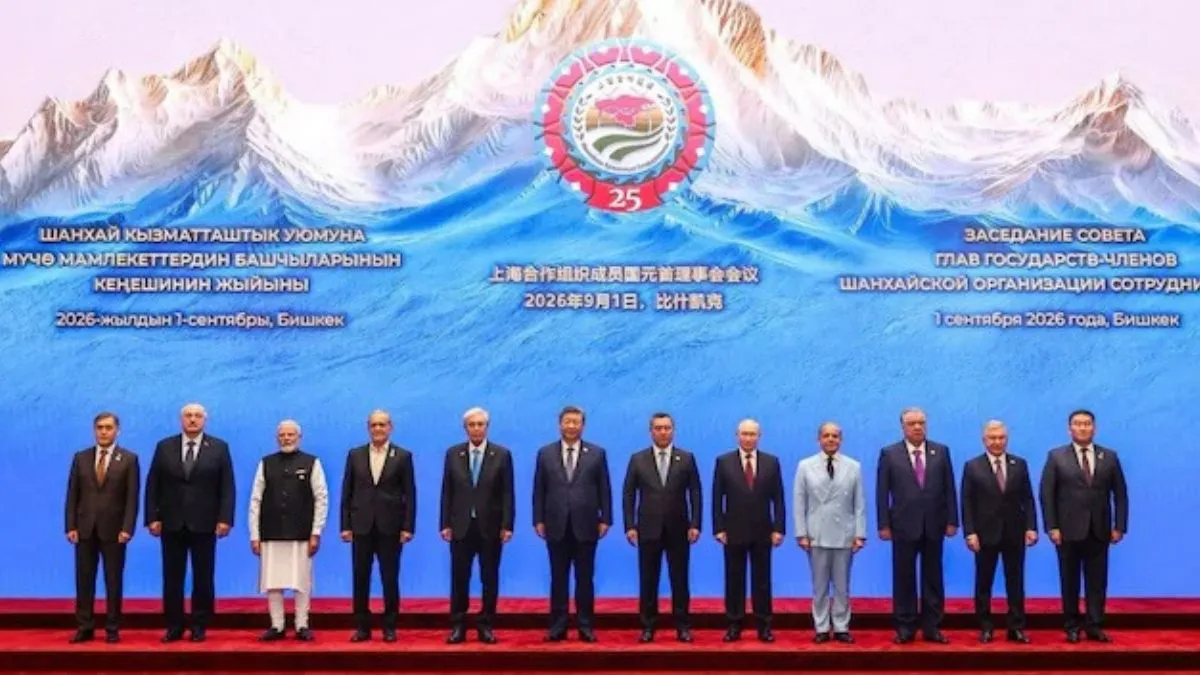
The SCO comprises ten member states: India, Pakistan, China, Russia, Iran, Belarus, Kazakhstan, Kyrgyzstan, Tajikistan and Uzbekistan.
Prime Minister Narendra Modi proposed the civilisational dialogue initiative at the SCO summit in Tianjin last year. Defence Minister Rajnath Singh later announced India's plans to host the inaugural forum while addressing the SCO Council of Heads of Government meeting in Dushanbe, Tajikistan, on October 20.
The invitation comes against the backdrop of India’s continued emphasis on combating cross-border terrorism. During the Dushanbe meeting, Singh called for a consistent approach to counterterrorism, stressing that countries should not apply double standards when addressing those who finance, support or provide safe havens to terrorist groups.
Ex-Foreign Secy Reacts
Former Foreign Secretary Kanwal Sibal has frequently commented on India’s foreign policy and regional diplomatic challenges. His perspective is relevant to understanding the strategic context of India’s engagement with multilateral institutions.
However, the specific post shared by Sibal on X could not be independently verified, and its contents have therefore not been directly quoted in this report.
As host of the forthcoming SCO Civilisational Dialogue Forum meeting India has invited Pakistan’s National Heritage and Culture Minister. India is obligated to do so. No need for our media to play this up ( headline news in IE) but the pro-dialogue lobby keeps clutching at straws. Does this lobby expect a political dialogue with Pakistan’s National Heritage and Culture Minister? One can guess where from abroad this reach out to Pakistan by lobbies here is being encouraged.
— Kanwal Sibal (@KanwalSibal) October 28, 2026
More broadly, India’s decision to invite Pakistan highlights how cultural diplomacy can provide a channel for multilateral engagement even when political and security relations remain difficult. Participation in a regional forum allows countries to engage on shared cultural and historical themes without necessarily resolving bilateral disputes.
Such engagement should not automatically be interpreted as a diplomatic breakthrough. India’s invitation to Pakistan does not, by itself, signal a resumption of bilateral talks or a shift in New Delhi’s position on terrorism and security concerns.