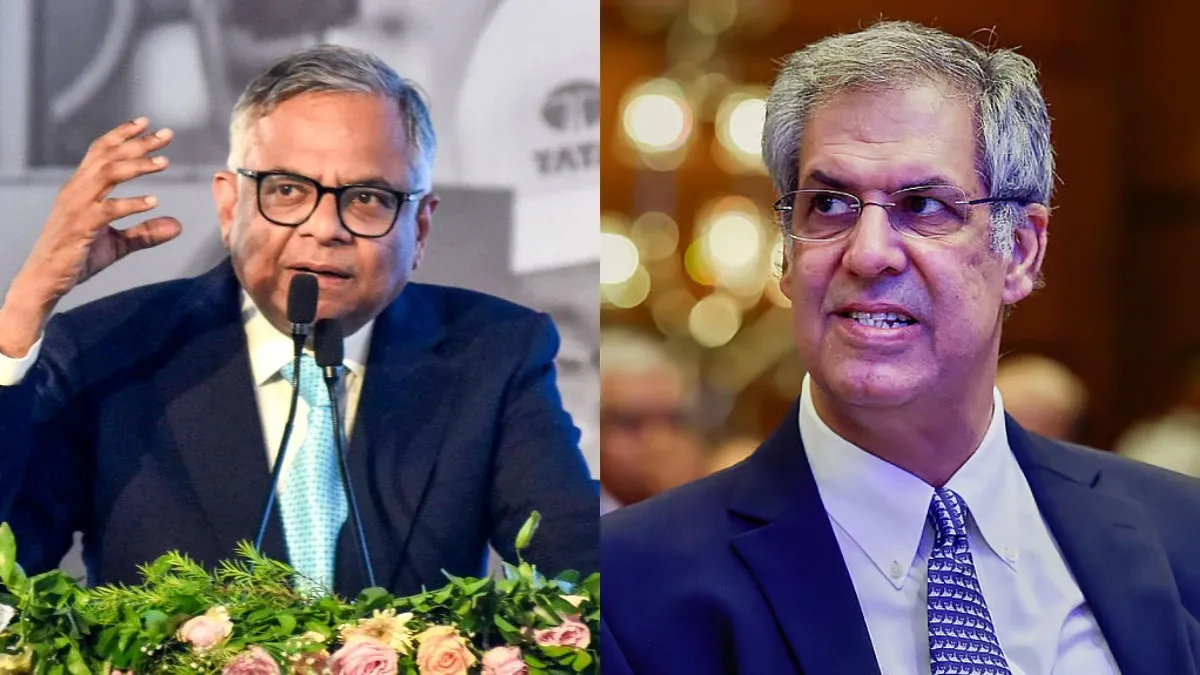
- Tata Trusts challenge N Chandrasekaran's reappointment in court.
- Lawsuits seek damages from Tata Sons board directors.
- Reappointment deemed invalid under Article 121 of AoA.
Two Tata Trusts, Sir Dorabji Tata Trust (SDTT) and the RD Tata Trust (RDTT), have passed a resolution to move the Bombay High Court challenging the decision of Tata Sons to reappoint N Chandrasekaran as executive chairman for a second five-year term.
The two trusts have also decided to file separate lawsuits against the board, seeking Rs 50 crore and its six directors, seeking Rs 15 crore as damages. The amount will be sought with an 18 per cent annual interest.
The lawsuits contend that the board's resolution, passed on September 17, to reappoint Chandrasekaran was invalid on the grounds that it did not secure the affirmative vote required under Article 121 of Tata Sons' Articles of Association (AoA).
The Trusts will also seek immediate relief from the court to prevent Chandrasekaran from casting his vote at the November 30 board meeting in the event of a split among the nominee directors.
ALSO READ: Tata Sons IPO Buzz Returns: Tata Chemicals, Tata Investment Corp Rally Over 8% After RBI Letter
What Tata Trust argues against Chandrasekaran's reappointment
The Tata Trusts have centred the dispute on special provisions in Tata Sons' AoA, which governs decisions that require the affirmative support of a majority of directors nominated by the Tata Trusts.
The trusts collectively hold around 66 per cent of Tata Sons. They have two nominee directors on the board of Tata Sons - Noel Tata and Venu Srinivasan. Noel Tata had voted against Chandrasekaran's reappointment while Srinivasan had voted in favour.
The Trust has argued that the appointment was invalid because the AoA mandates support from both the nominee directors to validate a decision.
The Tata Trusts had also issued a statement on September 20, saying that the resolution was not validly passed and had "no legal effect". The lawsuits are likely to be taken up by a single-judge bench of the high court on Friday.