- By Priyanka Koul
- Wed, 09 Sep 2026 03:53 PM (IST)
- Source:JND
- Mandatory licensing for all Delhi Paying Guest accommodations.
- Fixed rent bands and security deposit caps introduced.
- Compulsory CCTV surveillance and warden for enhanced safety.
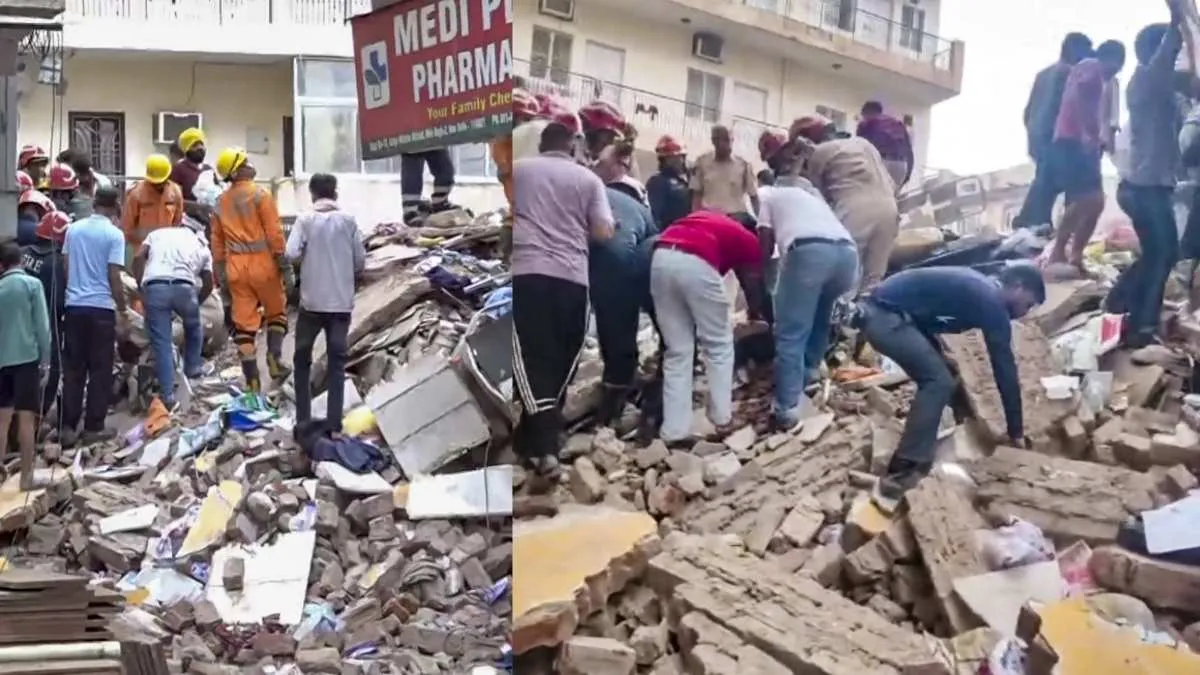
The Delhi government is set to introduce the ‘Paying Guest Accommodation Regulation and Safety Bill, 2026’, days after the collapse of a five-storey building housing a boys’ PG in Satya Niketan, southwest Delhi, claimed seven lives and left several others injured. Rescue operations at the site continued for nearly 27 hours.
The proposed bill would bring an estimated 200,000 unregulated PG facilities across Mukherjee Nagar, Laxmi Nagar and Rajendra Nagar under a formal licensing system.
It could bring major changes to the way Paying Guest (PG) accommodations are operated in Delhi, with mandatory licensing, locality-based rent bands, a cap on security deposits and compulsory CCTV surveillance among the key measures suggested for student housing.
What is Paying Guest Accommodation Regulation and Welfare Bill?
The proposed “Paying Guest Accommodation Regulation and Welfare Bill" seeks to address concerns around arbitrary rent hikes, inadequate security, poor facilities and delays in resolving complaints faced by students living in PGs.
- Every PG would have to obtain a government licence before beginning operations. Approval would be subject to inspections and clearances from the police, municipal corporation and other relevant authorities.
- Each registered accommodation would be allotted a unique PG Registration Number (PGRN), with details made available through the government’s proposed ‘GovPG’ portal.
- The proposal seeks to introduce fixed rent bands based on the locality to curb arbitrary rent increases. PG operators charging above the prescribed limit would require special permission.
- PG operators could take a maximum security deposit equivalent to three months rent.
- A 30-day notice would be mandatory when a resident leaves or is asked to vacate.
- PG owners would not be allowed to seek advance payments exceeding three months’ rent and would have to issue receipts for rent and deposits.
- Charging rents based on gender, caste, religion or state of origin would not be allowed.
- CCTV surveillance would be mandatory at all entry and exit points, as well as common areas of PGs. Recordings would have to be retained for at least 30 days.
- PGs housing 15 or more students would also be required to employ a licensed security guard between 10 pm and 6 am.
- Visitor access would be regulated, with entry proposed to be permitted between 8 am and 9 pm. Details of visitors would have to be recorded in a register.
- Each PG would also have to appoint a warden. The warden would be required to live or maintain an office within 500 metres of the accommodation and be capable of reaching the premises within 15 minutes in an emergency.
- The proposed ‘GovPG’ portal would allow students to access information about registered PGs and submit complaints online.
- Students would also be able to track the status of their complaints, while a provision for anonymous complaints has been proposed.
- Accommodation committees would also be set up in colleges and universities, with representatives from faculty, students, NSS/NCC, municipal corporations and the police. These committees could inspect PGs, issue notices for violations and attempt to resolve disputes between students and operators within 15 working days.
- The proposal would also provide incentives for PG operators that maintain a clean compliance record for two consecutive years. Such accommodations could receive a ‘Certified Student-Friendly PG’ status, priority listing on the government portal, and potentially benefit from property tax relief.
- Easy loans for safety upgrades and renovation work are also being considered.
The proposed requirements are aimed at improving monitoring, accountability and emergency response in PG accommodations.