
- Only EV, CNG, BS-VI diesel buses permitted in Delhi.
- Non-compliant inter-city buses to be diverted at borders.
- Decision taken to implement GRAP Stage-I effectively.
To curb pollution and prevent traffic congestion, the Delhi Traffic Police will permit only electric vehicles, CNG and BS-VI diesel buses to operate, diverting non-compliant inter-city and inter-state buses at the national capital's borders, an official said on Thursday.
The decision was taken at an inter-state coordination meeting chaired by Special Commissioner of Police (Traffic) Ajay Chaudhary to ensure effective implementation of the Graded Response Action Plan (GRAP) Stage-I and directions issued by the Commission for Air Quality Management (CAQM).
Representatives of concerned departments, civic agencies, and police authorities from neighbouring states and districts attended the meeting.
"Only electric vehicles, CNG and BS-VI diesel buses would be permitted to operate, subject to prescribed conditions. Non-compliant buses must be stopped and diverted at the borders, as turning them back after they enter Delhi leads to congestion and additional pollution," the Delhi Traffic Police statement read.
The meeting also reviewed restrictions on vehicles registered outside Delhi from November 1, 2026, to January 31, 2027, subject to notified exemptions.
The official said the meeting decided to install prominent display boards at Delhi's borders to inform motorists about the restrictions. Joint enforcement teams may also be constituted to ensure compliance. Authorities were directed to strictly enforce no-entry timings, check non-destined and overloaded vehicles, and take action against vehicles transporting construction and demolition material in violation of prescribed norms, the statement said.
Recommended For You
Vehicle owners were also advised to ensure they possess valid Pollution Under Control Certificates, wherever applicable.
The meeting further stressed the need for civic agencies to expedite construction work, minimise dust generation and undertake regular water sprinkling on roads and at construction sites.
"To improve coordination, a dedicated WhatsApp group will be created for real-time sharing of directions and monitoring action taken by various agencies," the statement said.
Chaudhary stressed that controlling air pollution was a collective responsibility and directed all participating agencies to properly document measures taken and action completed for monitoring and follow-up.
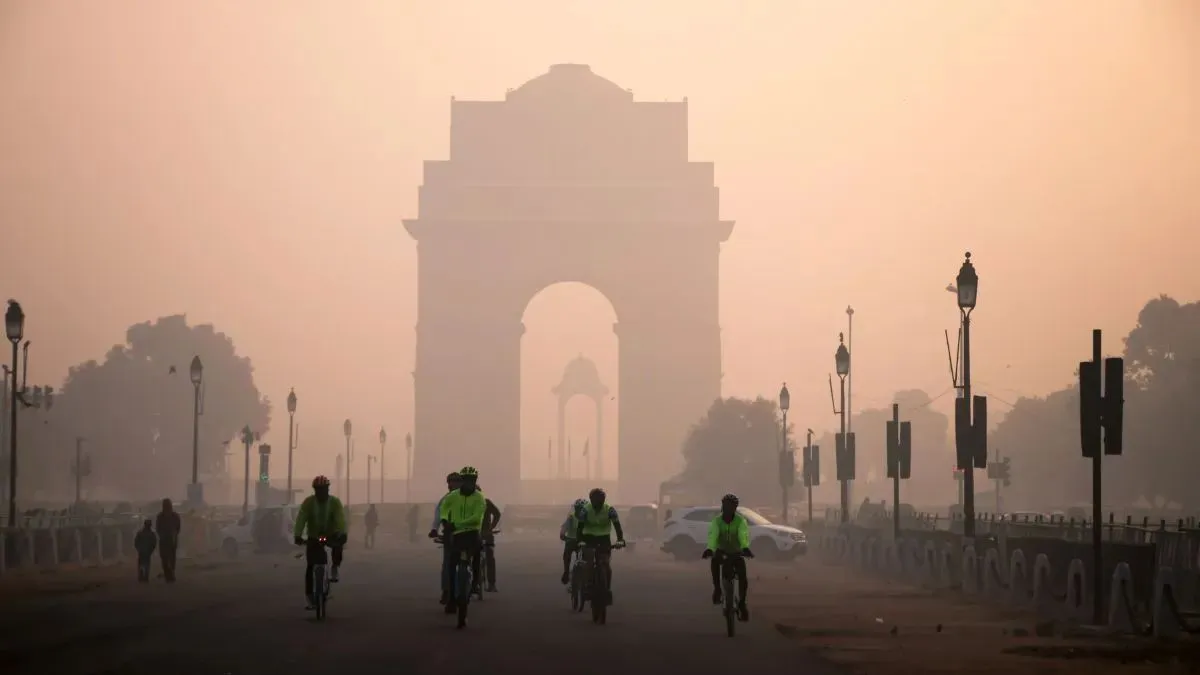
Delhi recorded its first 'poor' air quality day of the season on Wednesday, with the Air Quality Index (AQI) settling at 245, the highest in 100 days. The city last recorded a comparable AQI on July 13, when the index stood at 246, according to data.
After the capital's air quality slipped, the CAQM invoked Stage I of the GRAP across Delhi-NCR.
According to the Air Quality Early Warning System for Delhi, air quality is likely to remain in the 'poor' category from October 21 to 24. The outlook for the subsequent six days also indicates that the AQI is likely to remain in the same category.
Stage I of GRAP includes measures to curb dust pollution from construction and demolition activities, road dust and open waste burning, among other sources.
Disclaimer: Except for the headline, this article has not been edited by The Daily Jagran staff and has been published through a syndicated feed by PTI.