
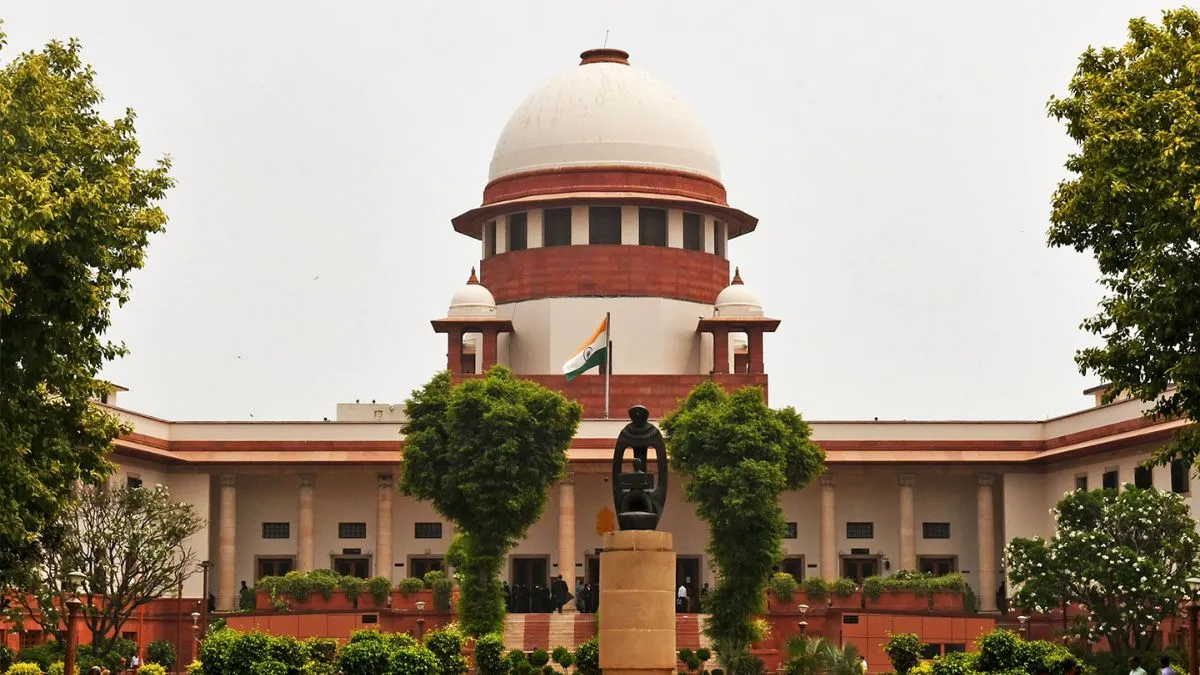
- Government admits hospital overcharging in Supreme Court.
- Hospitals charge up to 700 per cent profit on medicines.
- Patients have low bargaining power against hospitals.
Hospitals across India overcharge patients under the guise of providing facilities, whether for tests, surgeries, or medications. Now, even the central government has admitted in the Supreme Court that hospitals are actively overcharging patients, slapping inflated MRPs on everyday medicines and medical consumables.
The government stated that it is conscious of the problem and currently examining it. In an official affidavit, the Ministry of Chemicals and Fertilisers stated that they are investigating the situation and figuring out the right steps to take alongside all major stakeholders.
This development follows an affidavit filed in response to a petition by Dr Sanjay Kulshrestha, who cited a NITI Aayog report and a 2020 statement by former Health Minister Harsh Vardhan indicating that healthcare costs push approximately 60 million families below the poverty line every year.
Recommended For You
When responding to the suggestion of capping prices across the board for all medicines and medical supplies, the government stated that patients hold a very low bargaining position compared to hospitals, which leads to various malpractices. Although India is home to companies that manufacture affordable medicines, local patients often have to pay far more than the manufacturing price.
The affidavit further noted that while India is known for producing cheap drugs, patients here are forced to pay well above the manufacturing price and are frequently subjected to hospital overcharging.
It also explained that the Indian pharmaceutical market is highly competitive, featuring a large number of companies in every segment, which results in some of the lowest prices in the world. Generally, where robust competition exists, price controls are unnecessary. However, in the healthcare and pharmaceutical sectors, a distinct disparity exists in both information and bargaining power between patients on the one hand and pharmacies, hospitals, and doctors on the other.
“The Indian drug market is fairly competitive, with a large number of pharmaceutical companies in every drug segment, resulting in one of the lowest prices in the world. Ordinarily, where there is substantial competition, there is no need to regulate prices. However, by their very nature, health treatment and pharmaceutical products involve information and bargaining asymmetries between patients on the one hand and retail pharmacies, hospital pharmacies, hospitals providing treatment and doctors on the other,” the affidavit said.
Additionally, the government stated that hospitals purchase drugs from manufacturers offering the highest trade margins and subsequently sell them to patients at the MRP. For anti-cancer drugs, those profit margins range anywhere from 170 per cent to over 700 per cent. For basic medical consumables, margins hitting 100 per cent to 1,000 per cent (or higher) are totally normal. Naturally, hospitals lean toward buying products with the highest MRPs and larger profit margins.
The government said that it has already stepped in to set maximum price caps on 935 scheduled formulations and established retail price limits for 3,881 new drugs.