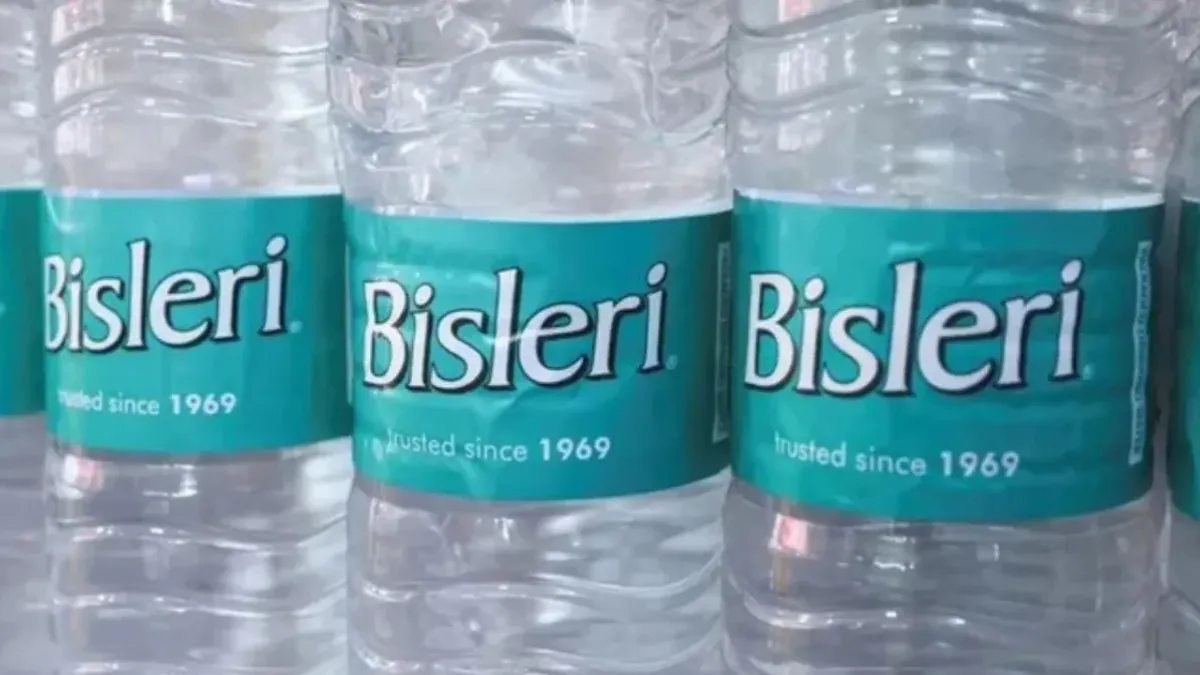
- FSSAI initiated prosecution over a Bisleri water sample flagged for safety concerns.
- Bisleri claims independent tests found bromate levels within permitted limits.
- Company says it received no further communication from FSSAI after February 2026.
Bisleri International on Monday has responded after the Food Safety and Standards Authority of India (FSSAI) initiated prosecution proceedings against the company after a packaged drinking water sample was declared unsafe. The company said it takes water safety seriously and will work with the regulator to resolve the issue through the proper legal process.
Bisleri International Pvt. Ltd. issues statement after the Food Safety and Standards Authority of India (FSSAI) had sanctioned prosecution against Bisleri International Pvt. Ltd. under the Food Safety and Standards Act, 2006, after a sample of its packaged drinking water failed safety tests. "We are aware of recent media reports that the Food Safety and Standards Authority of India (FSSAI) has issued a notice to Bisleri. The matter dates back approximately 14 months, to a batch produced in September 2025 at Bisleri’s Goa manufacturing facility, one of 143 plants in our network. On 30 September 2025, FSSAI collected six samples from the Goa facility. Initial testing found that five samples met all applicable standards. The sixth recorded a bromate level of 12 micrograms per litre, against the prescribed limit of 10 micrograms per litre. Following Bisleri’s appeal dated 22 November 2025, FSSAI sent that sample to a referral laboratory for retesting. The referral laboratory found bromate of the sample within the prescribed limit and separately flagged polynuclear aromatic hydrocarbons (PAHs) in the sample. The difference between the two results raised questions that Bisleri believed warranted clarification. Bisleri arranged for the same sample to be tested independently at an FSSAI-approved laboratory. That test found bromate within the prescribed limit. We submitted the independent test results to FSSAI’s Western Regional Office with a formal letter dated 2 February 2026. We received no further communication from FSSAI after that submission and understood the matter to be closed. To date, Bisleri has received no notice by email or in hard copy and has been unable to locate the reported notice on FSSAI’s website. Drinking water safety is a priority for Bisleri. We maintain stringent quality controls of over 90 tests across our 10-step manufacturing process and will continue to cooperate with FSSAI to address the matter through the appropriate regulatory process. A trusted brand for years, Bisleri remains safe for consumption..."
— ANI (@ANI) November 23, 2026
The action follows an inspection in which FSSAI collected a sample of Bisleri's packaged drinking water from the company's Goa premises. According to the food safety regulator, the sample failed to meet the prescribed bromate limits and was declared unsafe under the Food Safety and Standards Act, 2006. FSSAI shared the findings in a social media post.
ALSO READ: FSSAI Orders Prosecution Of Bisleri After Carcinogens Found In Water Sample
Bisleri Challenges FSSAI's Findings
Bisleri challenged the initial findings, following which the sample was sent to a referral laboratory for further testing. The second test also raised safety concerns after detecting polycyclic aromatic hydrocarbons (PAHs), prompting FSSAI to approve prosecution against the company for violating food safety standards.
Recommended For You
What Did Bisleri Say?
"The matter dates back approximately 14 months, to a batch produced in September 2025 at Bisleri's Goa manufacturing facility, one of 143 plants in our network," the company said in a statement reported by Reuters on Monday.
According to Bisleri, the food safety regulator collected six samples from the facility. Five of them cleared the required checks, but the sixth showed bromate at 12 micrograms per litre- above the permitted limit of 10 micrograms per litre.
What Happened During The Retesting?
Bisleri challenged the initial finding and asked for the sample to be tested again. The referral laboratory that examined it found the bromate levels within the prescribed limit, but raised a separate concern over the presence of polynuclear aromatic hydrocarbons (PAHs). The company then got the sample tested at another laboratory approved by FSSAI. Bisleri said this examination also showed bromate levels to be within the permitted range.
Bisleri Says It Received No Further Notice
After receiving the independent laboratory results, Bisleri said it shared the findings with FSSAI. The company claimed there was no further communication from the regulator after that and that it had not received any formal notice about the action.“We received no further communication from FSSAI after that submission and understood the matter to be closed,” the company said.
FSSAI Moves To Initiate Legal Proceedings
FSSAI, however, maintained that the packaged drinking water sample collected from Bisleri’s premises was unsafe because it failed to meet the prescribed bromate standards. The regulator announced on Sunday that it would initiate legal proceedings against the company.
The action has put the spotlight on Bisleri, one of India’s most recognised packaged drinking water brands, and raised questions over the differing findings from the tests conducted during the investigation.
Packaged Drinking Water Brands Across India To Face Safety Checks
Meanwhile, packaged drinking water brands across India could soon face closer scrutiny after safety concerns were raised over a Bisleri sample, according to a Reuters report.
The development follows a disagreement between the Food Safety and Standards Authority of India (FSSAI) and Bisleri International about the findings from a sample taken at the company’s plant.
FSSAI’s broader crackdown on food safety violations is still underway. The regulator has cleared legal action against Vasant Masala Pvt Ltd, Tit-Bit Foods India Pvt Ltd, Mimansa Industries and Asha Confectionery. It has also suspended the licences of Urmi Lifesciences LLP and Gaur Ayurvedic Store for failing to meet food safety norms.
In a separate move, Asha Confectionery was told to recall its pre-packaged chocolate-filled cookies after they were found to be unsafe.