
- CJP leaders Saurav Das, Ashutosh Ranka released from Tihar.
- Released on condition of not disturbing public peace.
- Released on condition of not disturbing public peace.
A week after being lodged in Tihar Jail, CJP leaders Saurav Das and Ashutosh Ranka walked out of the prison on Wednesday after the Special Executive Magistrate (SEM) Court ordered their release. After coming out and speaking to the media, Das pumped his fist, while Ranka shouted, "Inquilab Zindabad" before getting into their car and driving away.
Das and Ranka were initially sent to five days of judicial custody on October 14. They had been detained for allegedly entering the denotified protest site at Jantar Mantar and violating the conditions of their peace bonds.
#WATCH | Delhi: CJP leaders Saurav Das and Ashutosh Ranka come out of Tihar Jail after the SEM Court ordered their release. https://t.co/gGbajN6pWx
— ANI (@ANI) October 21, 2026
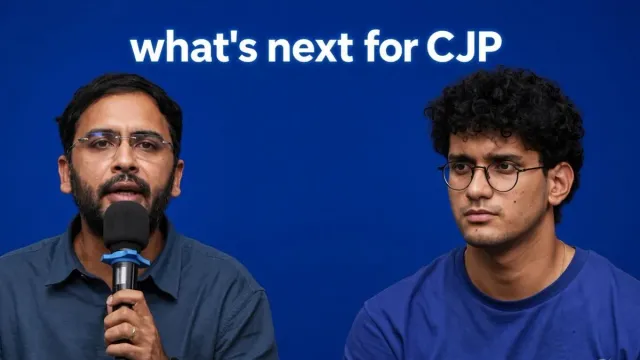
But their release raises another question: What’s next for CJP?
The two leaders were detained during a protest demanding the resignation of Chief Election Commissioner (CEC) Gyanesh Kumar. Now, they have been released after giving a written assurance to the court that they will not do anything to disturb public peace in the future.
What’s Next for CJP?
Das and Ranka have been released on the condition that they will not call for a demonstration at Jantar Mantar until the order banning protests at the site is lifted in accordance with the law.
Any future protests must take place within the limits of the Constitution.
The court also made it clear that their release does not mean the case is over. The investigation will continue as per the law.
Both leaders and their sureties have been asked to appear before the court at the next hearing on October 23 at 3 pm. They must also maintain law and order and follow all the conditions of their bonds.
What Are the Legal Consequences?
Das and Ranka had been in judicial custody since October 14. On October 13, they climbed over the locked gates of Jantar Mantar and waved the national flag to protest against the site's removal from the list of designated protest venues.
Recommended For You
The prosecution said their actions violated a peace bond they had signed after being detained on October 10. That was the day they had originally called for a protest over alleged electoral fraud.
If Cockroach Janta Party (CJP) leaders Ashutosh Ranka and Saurav Das break their written promise and organise another protest at the denotified Jantar Mantar site, they could face further legal action.
- Breach of Undertaking: Since they provided written assurances before the Special Executive Magistrate (SEM) Court to secure their release, violating those conditions could lead to further legal proceedings and action by the authorities.
- Forfeiture of Sureties and Possible Re-Arrest: The court accepted individual sureties, reportedly involving bonds of Rs 50,000, to secure their release. A violation could lead to proceedings over the forfeiture of the surety amounts and further action, including possible arrest, depending on the applicable legal provisions and court orders.
- Police Action: Delhi Police has transferred related cases to the Crime Branch. Any fresh violation at the prohibited protest site could lead to further police action.
- Possible Additional Criminal Charges: If they climb barricades, enter a restricted area or disobey lawful orders, they could face additional criminal charges, depending on the circumstances and the law.
What Did the Delhi High Court Say?
Earlier on Wednesday, while hearing the petition, the Delhi High Court referred to the "breach of bond". This was in connection with the bond Ranka and Das had signed after being detained on October 10, the day they had originally called for a protest over alleged electoral fraud.
"You are at the forefront (of the protest). When you break barricades, there are chances that more people may follow. There might be persons who may not be under your control," the bench said.
"We have seen it happen outside our country. What started as student protests turned into something with arson and burning of buildings," the HC added, without naming any country.