
- By Shubham Bajpai
- Wed, 03 Jun 2026 10:02 PM (IST)
- Source:JND
The death of 21 people in a massive fire in the Hauz Rani area of Saket in South Delhi on Wednesday has raised serious concerns over the security systems, guidelines and their implementation in guesthouses, hotels, and restaurants in Delhi. The key question raised after the tragic incident is: Who is responsible for the incident?
A six-story hotel with 26 rooms and a restaurant was built despite permission for only six rooms. It is estimated that 80 to 100 people were present in the building at the time of the fire incident.
Most of the deceased are foreign nationals, which makes it an even more complex case of negligence, bringing international shame. The incident is not just an accident, but shows disregard for regulations, departmental negligence, and administrative failure.
In order to prevent future such incidents, the scope of the investigation should not be limited to the cause of the fire but expanded to determine the role of officials and departments in gross negligence.
Requirements for operating a guest house?
- Building approval and use permit
- Delhi Fire Service (Fire NOC)
- Police License
- Municipal Corporation Trade License
- Compliance with electrical and safety standards
- Adherence to the prescribed capacity and number of rooms
- Emergency Exit
- Fire alarms, sprinklers, fire extinguishers and smoke extraction systems
What rules were violated at the Malviya Nagar hotel
- Expansion to four times the approved capacity: Construction of 26 rooms on a six-room permit constitutes a serious violation of the building's use and license conditions.
- Crowd capacity violation: The presence of over 100 people violates the building's approved capacity.
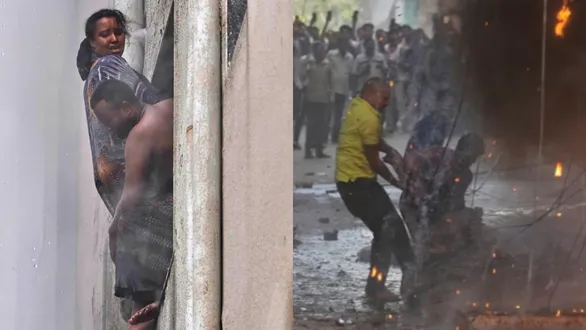
- Questions about fire safety: During the accident, many people had to jump from the upper floors to save their lives. The incident opens up lapses in building a safe evacuation system at the time of the fire.
- Narrow passages and evacuation: Clearly marked emergency exit routes are essential in any hotel or guest house. The large number of people trapped and some jumping from the building indicates either there was no marking or no emergency exit at all.
- Electrical and structural safety: The wires visible outside the building and the extensive damage caused by the fire also call for an investigation into the flouting of rules and noncompliance with electrical safety standards.
Who is responsible?
The police crackdown has started in the case, and the main accused, as usual, is the owner of the building. However, the buck must not stop there, and accountability should be fixed by holding the owner, officials, and authorities responsible.
- Building Owner and Operator: For building more rooms than the approved limit and accommodating more people than the capacity.
- Municipal Corporation: Failure in monitoring illegal construction, additional rooms, and changes in building use.
- Delhi Fire Service: DFS should be investigated on the ground that if a fire NOC was issued, what was the status of subsequent inspections and compliance? If there was no NOC, how was the establishment operating without action?
- Local administration and police: Ensuring periodic inspections and capacity control of licensed establishments is also part of the administrative machinery's responsibility.