
- By Priyanka Koul
- Sun, 05 Apr 2026 02:57 PM (IST)
- Source:JND
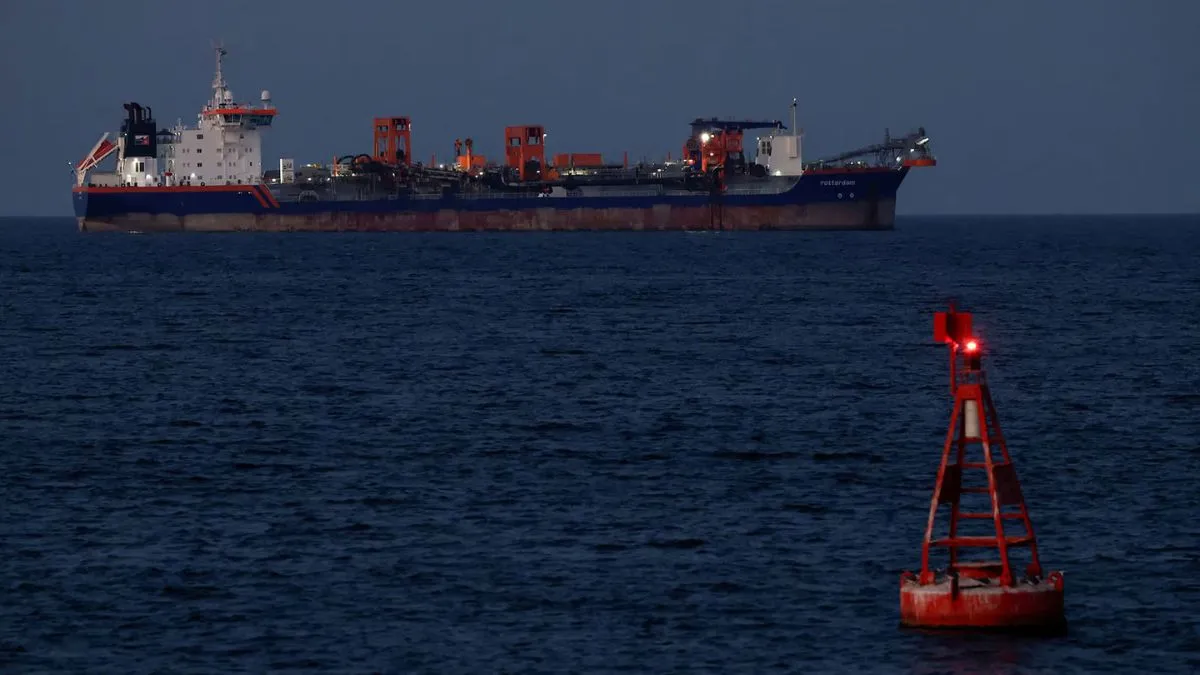
India is slowly replenishing its liquefied petroleum gas (LPG) supplies amid the ongoing West Asia conflict, as several tankers have successfully reached Indian ports. The latest vessel, the Indian-flagged LPG tanker Green Asha, has safely crossed the Strait of Hormuz via Iranian waters.
Green Asha is carrying around 20,000 tonnes of LPG. It marks the eighth Indian-flagged merchant ship to transit the Strait since the conflict in West Asia began.
According to The Indian Express, Green Asha is a mid-sized gas carrier (MGC) owned by MOL India, the Indian subsidiary of Japan-based shipping giant Mitsui OSK Lines. The tanker has a deadweight capacity of over 26,000 tonnes, a measure that includes cargo, fuel, fresh water, ballast, provisions, and crew.
Iran’s restrictions on the Strait of Hormuz have disrupted global crude oil supplies, including in India, where long queues for LPG cylinders have been reported. Despite rising tensions with the US and Israel, Iran has permitted several Indian-flagged vessels to pass safely.
ALSO READ: Hormuz Blockade: How Many Indian Ships Have Crossed The Strait So Far As Iran War Lingers
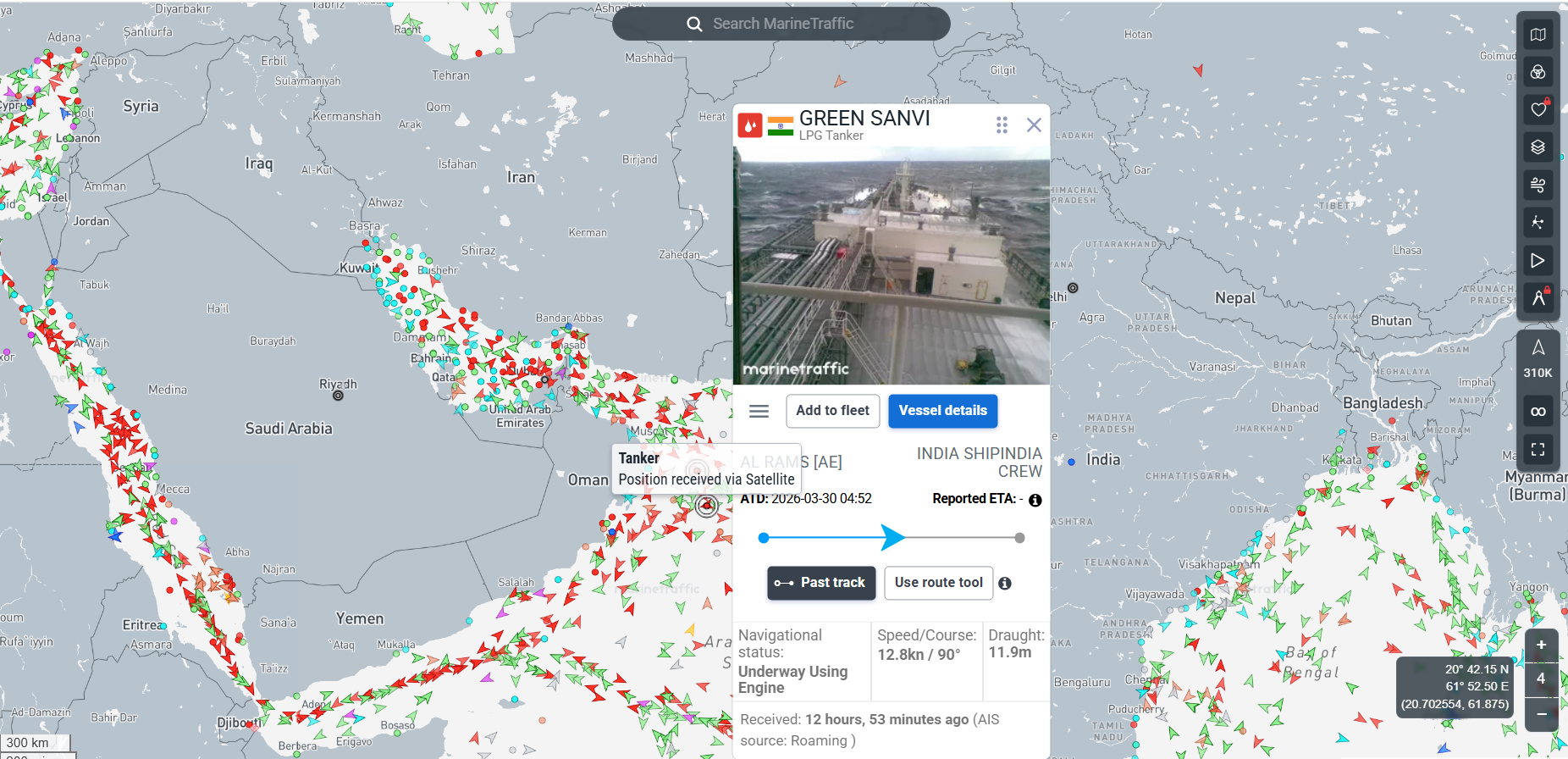
Since the start of the West Asia war, six LPG tankers have already arrived in India. On Saturday, another India-bound tanker, Green Sanvi, successfully crossed the Strait, according to ship-tracking platform MarineTraffic. This makes it the eight LPG shipment to reach India via the Hormuz corridor through Iranian waters since the global oil crisis intensified.
Earlier arrivals include Shivalik, Nanda Devi, Jag Vasant, BW Tyr, BW Elm, and Pine Gas. However, several Indian oil and gas vessels are still stranded in the Strait of Hormuz, awaiting clearance from Iranian authorities.
The Middle East conflict started following the killing of 86-year-old Iran's Supreme Leader, Ayatollah Ali Khamenei, in joint military strikes by the US and Israel, after which Iran, in its retaliation, targeted Israeli and US assets in several Gulf countries and Israel, causing disruption in the waterway and affecting international energy markets and global economic stability since February 28.