
- By Shibra Arshad
- Sun, 15 Mar 2026 01:28 PM (IST)
- Source:JND
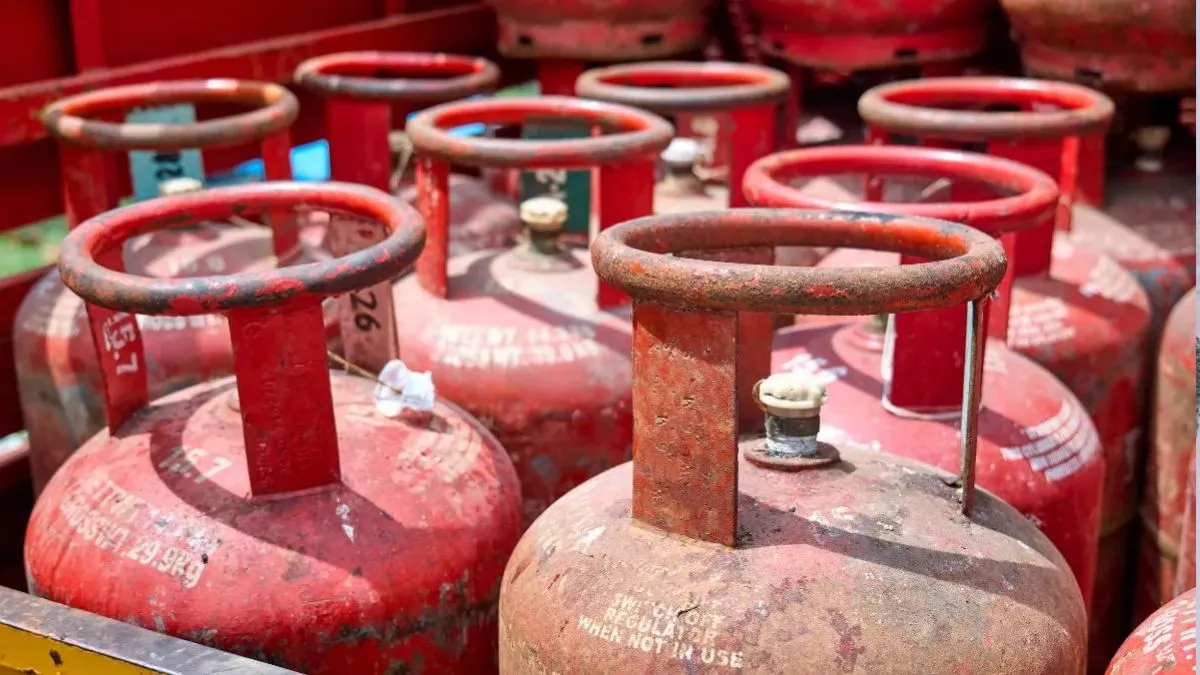
The war between Iran and the joint forces of the US and Israel, which began on February 28, after Tehran was attacked in a coordinated military operation, continues to escalate, affecting the entire world. The concerns of energy shortage, economic impact and price surge have engulfed the world. It also has significantly affected India’s energy imports, including crude oil, LPG, and LNG, but the LPG supply challenges are bigger than oil and LNG. LPG is mainly used as a kitchen fuel in Indian households.
India appears to be comfortable with the stock of crude oil, diesel, and petrol. The government has prioritised natural gas for sectors that need it most. However, when it comes to LPG, the government appears a little uncomfortable with the stock and has undertaken drastic steps as the country faces a gas supply crisis.
The government has ordered to prioritise household LPG cylinder supply over commercial entities and directed the refineries to maximise LPG production. Refiners were also directed to divert the propane, butane and other streams to LPG production from petrochemical manufacturing.
The cylinder refilling time gap has been increased to 25 days from 21 in urban areas and to 45 days in rural areas. Amid the LPG supply crunch, the government has activated alternative fuel streams like Kerosene, fuel oil, biomass and coal for commercial establishments.
The Ministry of Oil, on Friday, assured the people that there was no shortage of oil and gas in the country and that none of the 25,000-odd oil distributors had reported a ‘dry out’. Sujata Sharma, Secretary of the Ministry of Petroleum, advised people against panic buying and assured piped gas-linked households would not face supply disruptions.
As per the data shared by the Ministry during the presser, the LPG bookings by households surged to 75.7 lakh on Thursday from the average of 55.7 lakh cylinders in the April-February period.
Why Is LPG Sector Most Hit
The war, which began two weeks ago, resulted in the effective closure of the Strait of Hormuz, the critical maritime transit that holds around 20 per cent of global oil shipments, leading to supply disruptions and shortage fear. The Strait is critical for India’s oil, LNG, and LPG imports; the dependency on passage for LPG supply is relatively higher.
India imports 60 per cent of its annual LPG requirement of 33 million tonnes, while the dependency rate for crude oil is relatively higher at 80 per cent, so why is India’s oil stock satisfactory, and does it face LPG supply disruptions?
The answer is the scale of reliance on the Strait of Hormuz for the import of LPG and crude oil. India’s 40 per cent of total oil imports takes place through the Strait, while 90 per cent of LPG imports are carried out through this narrow transit. With the closure of the Hormuz, nearly 54 per cent of India’s LPG supply vanished.
The production of LPG has been increased by 30 per cent since March 5, but it only translates to 10-12 per cent of additional gas when total consumption is considered.
LPG cargos coming through North America take weeks to arrive, while West Asian cargos only take a few days of the logistic process. However, there is a hope of relief as India was able to negotiate the passage of two Indian-flagged ships carrying LPG tankers, while efforts for 22 more ships are underway. Earlier, the IRGC said that the Strait of Hormuz is not closed but under Iran’s control. It also affirmed the transit permission for vessels except ones owned by the US, European countries, and their allies.
Why There Is No Shortage Of Petrol, Diesel
India is satisfied with its stockpile of petrol and diesel, while it hardly has anything stocked up in terms of LPG and LNG, except what is in the supply chain. Getting extra cargoes of crude oil from regions other than West Asia has been relatively easier and faster so far, as compared to LPG or even LNG, as Russian oil tankers that were wandering in international waters around India took only a few days to reach Indian ports.
ALSO READ: Oil Prices Surge 40% In 15 Days, Jumping To $103 Amid US-Iran War | How High Can Crude Go?
India's import of Russian oil has shot up by 50 per cent in comparison to the import numbers in February, after the US removed the tariff pressure on India that it had imposed to stop India from buying Russian oil.