
- By Priyanka Koul
- Mon, 01 Jun 2026 09:40 PM (IST)
- Source:JND
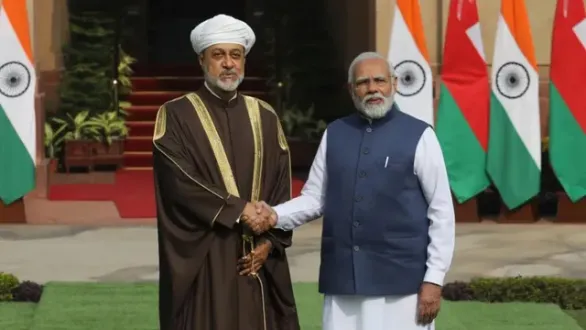
The free trade agreement between India and Oman came into force on Monday, giving duty-free access to 99 per cent of India's exports, including textiles, engineering, gems and jewellery, to the Omani market and benefiting professionals with enhanced mobility provisions.
On the other hand, Indian consumers are expected to get cheaper Omani dates, as imports of the fruit will enjoy quota-based duty concessions under the agreement.
The implementation of the Comprehensive Economic Partnership Agreement (CEPA) is a significant development, especially as Indian exporters are facing difficulties in shipping goods to the Gulf nation due to the US-Iran war. The agreement was signed by both countries on December 18, 2025.
The six Gulf nations are Oman, Bahrain, Kuwait, Qatar, Saudi Arabia, and the UAE.
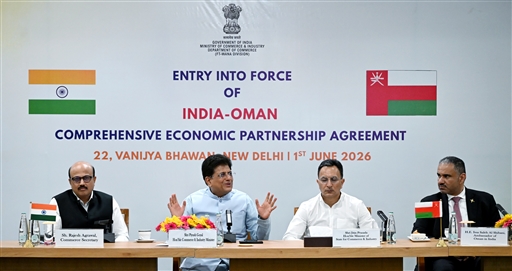
On the very first day, 10 export consignments were shipped from various Indian ports to Oman at zero duty. After the United States, India has become the second country to sign a bilateral agreement with Oman.
Union Commerce and Industry Minister Piyush Goyal said that the CEPA with Oman would also make it easier to export Indian goods to several Gulf nations as well as East African countries. He added that sectors ranging from agriculture to MSMEs, along with the youth, would benefit significantly from the agreement.
Dairy and Agriculture Not Part of the Deal
Under the agreement, India will receive petroleum products and gas supplies from Oman in larger quantities than before. Sensitive products such as dairy and agricultural commodities have not been included in the agreement.

Now, 99 per cent of Indian products can be exported to Oman without any duty. Indian companies investing in Oman will also be encouraged to give priority to Indian youth in employment opportunities.
Service Sector Included in the Agreement
The service sector has also been included in the trade pact, opening up job opportunities for Indian professionals in Oman. Under the agreement, Ayush centres will also be established in Oman.
Trade between India and Oman stood at USD 11.18 billion during the financial year 2025-26.
These Sectors Will Benefit the Most
The CEPA with Oman is expected to mainly benefit India’s employment-oriented MSME sectors, including engineering goods, gems and jewellery, garments, leather products, electronic goods, generic medicines, and marine product exports.
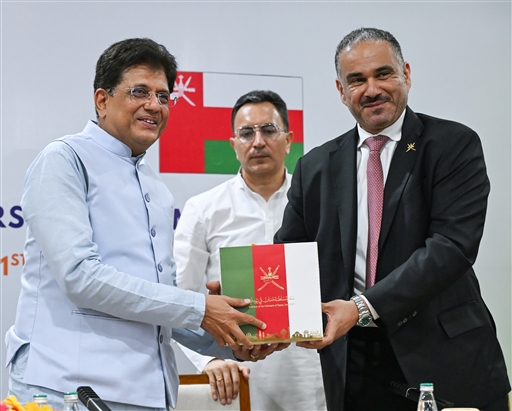
Goyal said that Indian generic medicines already approved in countries such as the US and the UK can now be exported to Oman at zero duty within the next 90 days. On Monday alone, gems and jewellery worth USD 120 million were exported to Oman at zero duty. According to Goyal, the implementation of the trade agreement with Oman will also generate more employment opportunities.
Agricultural Exports to Increase
Items such as honey, cashew, basmati rice, butter, biscuits, mangoes, potatoes, and onions can now be exported to Oman without any duty. Increased exports of agricultural and processed food products to Oman are expected to benefit states such as Uttar Pradesh, Punjab, Haryana, Maharashtra, Gujarat, Andhra Pradesh, and Tamil Nadu.
The agreement is expected to boost India’s total exports to Oman by 50 per cent.
Opportunities for Engineers, Teachers, and Professionals
A total of 127 types of services have been included in the agreement. Under this, professionals associated with computer-related services, various engineering fields, healthcare, teaching, financial services, communication, and tourism will now get opportunities to work in Oman.
Indians travelling to Oman for business purposes will be allowed to stay for up to 90 days, while independent professionals can stay for up to 180 days. Employees working in the corporate sector will be able to continue their services in Oman for up to four consecutive years.