

- By News Desk
- Mon, 15 Jun 2026 08:10 PM (IST)
- Source:JND
- The report examined 130 government schemes with a combined expenditure of Rs 8.57 lakh crore.
- In FY 2024-25, the Environment ministry received Rs 1,737.74 crore but spent only Rs 788.99 crore, less than half of its allocation.
- The report raises concerns over the discontinuation of a key scheme that supported some of the most heat-exposed urban populations.
A new and concerning report has highlighted India's growing vulnerability to extreme heat and deadly heatwaves, warning that the country lacks dedicated financial planning to protect people from rising temperatures.
According to a report by Greenpeace India, there is no separate or targeted budgetary framework at the national level specifically designed to address the risks posed by extreme heat and heatwaves.
Budget Mismatch: A Growing Crisis, Limited Funding
The report examined 130 government schemes with a combined expenditure of Rs 8.57 lakh crore. However, it found that only around 10 per cent of this spending can be directly linked to measures that help communities cope with heat-related risks.
The remaining 90 per cent is allocated to broader development programmes that have little or no direct impact on reducing heatwave-related vulnerabilities.
Ministries Falling Short
Environment Ministry: Despite being the nodal ministry for climate-related issues, the Ministry of Environment, Forest and Climate Change does not have a single dedicated scheme focused specifically on heat adaptation. In FY 2024-25, the ministry received Rs 1,737.74 crore but spent only Rs 788.99 crore, less than half of its allocation.
Health Ministry: The report notes that while heatwaves are increasingly causing illnesses and deaths, the Health Ministry lacks any dedicated programme to tackle heat-related health emergencies. Of the Rs 94 crore earmarked for emergency preparedness, only Rs 14.92 crore, or 15.9 per cent, was utilised.
Impact on Vulnerable Communities
The report raises concerns over the discontinuation of a key scheme that supported some of the most heat-exposed urban populations, including street vendors, homeless individuals and waste pickers in cities such as Delhi. Funding for the programme was reduced from Rs 816 crore to zero.
It also points to cuts in water-related spending at a time when access to water becomes critical during extreme heat. The budget for the Jal Jeevan Mission has been reduced, while only 37 per cent of the allocated funds were reportedly spent, the Greenpeace India report notes.
Women Left Out of Heat Planning
Greenpeace India argues that women often bear a disproportionate burden during heatwaves, yet current budget allocations do not include dedicated provisions to safeguard their health, livelihoods or working conditions.
Key Recommendations
Recognise Heatwaves as a National Disaster: The report urges the government to classify heatwaves as a national disaster, similar to floods or earthquakes, which would enable states to access relief funds more quickly. At present, only 11 states have recognised heatwaves as a disaster category.
Protection for Workers and Farmers: It further recommends insurance coverage and compensation mechanisms for outdoor workers and farmers who suffer income losses or health impacts due to extreme heat.
Cooling Infrastructure and Water Access: The report calls for the creation of shaded public spaces, community cooling centres and safe drinking water stations, particularly in densely populated urban areas and low-income settlements.
ALSO READ: Delhi Water Crisis: Two Pipelines For Every Building To Tackle Intense Summer Heatwaves
Empower Local Governments: Municipal bodies and panchayats should receive direct funding to implement heat mitigation measures without administrative delays, the report says.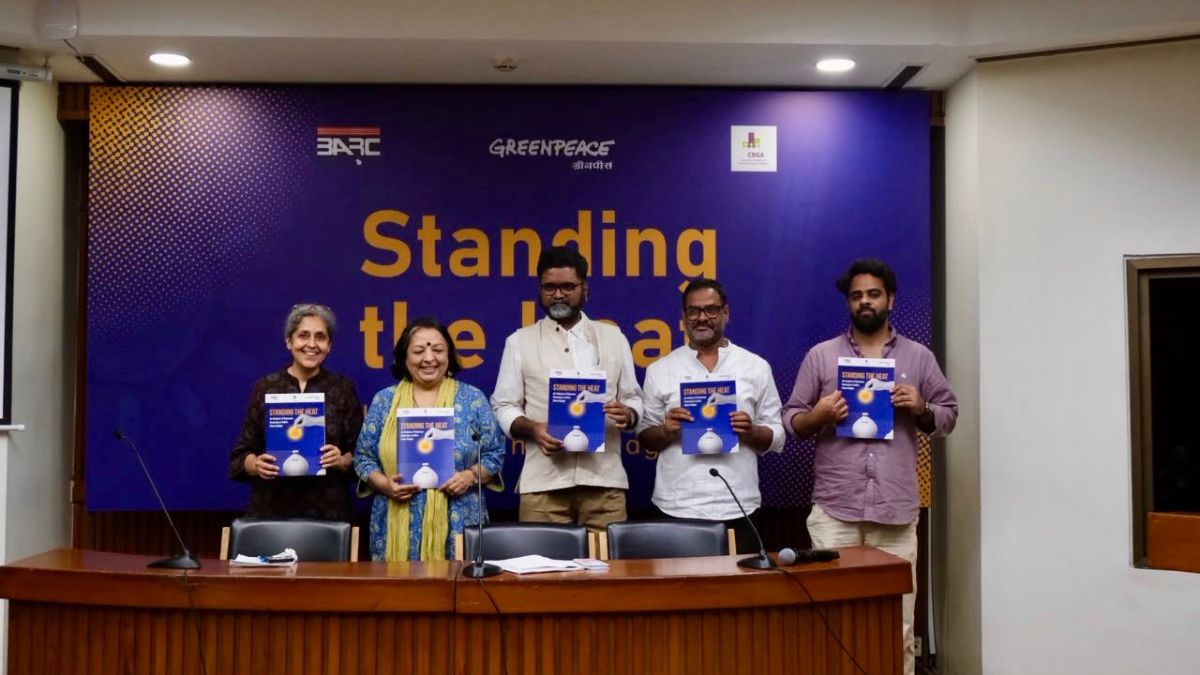
Experts cited in the report argue that heatwaves can no longer be treated as a short-term seasonal challenge. Instead, they require sustained policy attention and dedicated annual funding to protect lives and livelihoods as temperatures continue to rise.
READ FULL REPORT HERE
