
- By Priyanka Koul
- Sat, 02 May 2026 09:05 AM (IST)
- Source:JND
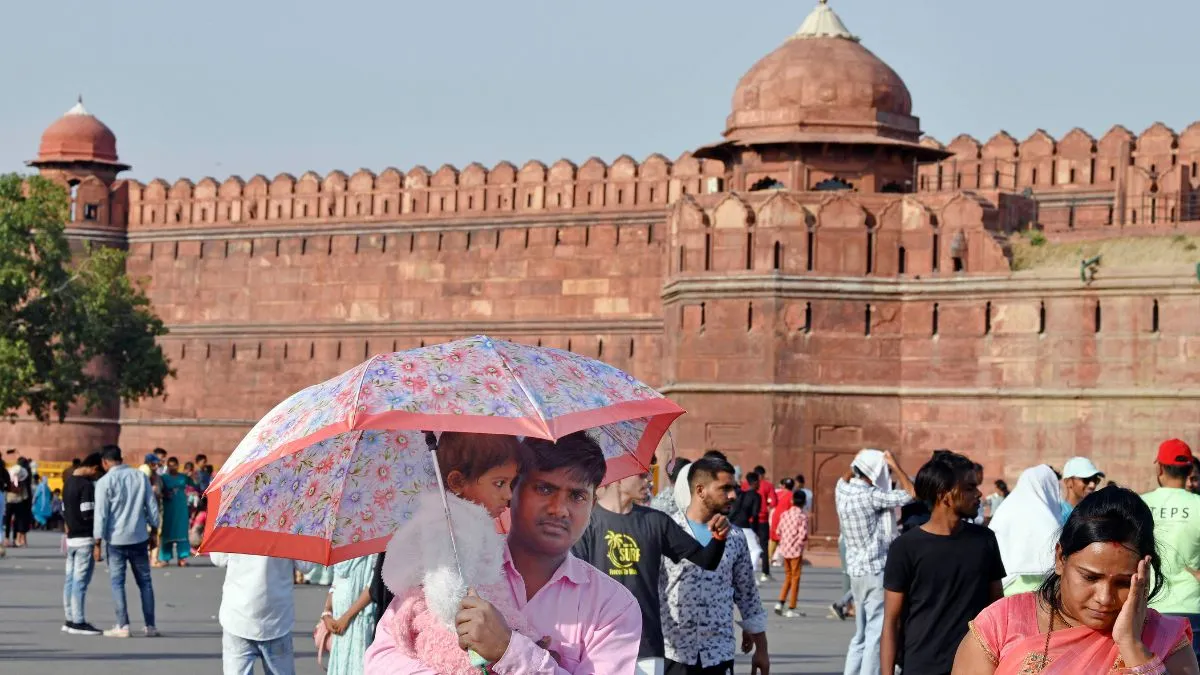
After months of scorching temperatures across North India, May is expected to offer some relief, with the India Meteorological Department (IMD) forecasting cooler-than-usual conditions across much of the country.
According to the IMD, maximum temperatures this month are likely to remain normal to below normal over most parts of India, bringing respite from the severe heat that has dominated much of 2026. However, several areas in southern peninsular India, as well as parts of northeast and northwest India, may continue to experience above-normal daytime temperatures.
Minimum temperatures, or nighttime temperatures, are expected to remain above normal across many regions. Still, some parts of northwest and central India, adjoining peninsular regions, and southern parts of northeast India could see normal to below-normal night temperatures.
The relatively cooler conditions are largely being attributed to an expected rise in thunderstorm activity and a higher frequency of western disturbances during the month.
IMD officials noted that western disturbances have become more frequent since March, supported by moisture inflow from the Arabian Sea, which has strengthened these weather systems.
“We are expecting more WDs and more thunderstorm activity in May. This is not necessarily linked to the evolving El Nino,” said M Mohapatra, Director General of IMD.
Rainfall is also likely to be above normal this month, with national precipitation expected to exceed 110 per cent of the long-period average (LPA). The average rainfall for May, based on 1971-2020 data, is around 61.4 mm.
Most parts of the country are expected to receive normal to above-normal rainfall, with the exception of some regions in east, northeast, and east-central India, where below-normal rainfall is forecast.
ALSO READ: BJP Calls Diamond Harbour 'Lyari Of Bengal'; TMC Lashes Out, Says Hatred Is Being Spread
Climate models further suggest that positive Indian Ocean Dipole (IOD) conditions may develop toward the latter part of the monsoon season, which could influence broader rainfall patterns.
April’s weather remained uneven, with the country recording 11 per cent below-normal rainfall overall. However, northwest India saw 7.4 per cent excess rainfall, while central India recorded 17.2 per cent above-normal rainfall.