
- By Raju Kumar
- Sat, 25 Jul 2026 12:07 AM (IST)
- Source:JND
- Protest began for NEET paper leak and exam reforms.
- Evolved into political and ideological debate platform.
- Attracted opposition leaders, celebrities, and diverse issues.
Jantar Mantar Protest: The Cockroach Janta Party (CJP) protest, which began at Jantar Mantar, New Delhi, with the issue of students' future and examination reforms, is gradually becoming a platform for political and ideological debate, and a plethora of faces that are often seen in other agitations are emerging. From the faces to the slogans, there are striking similarities.
Along with the demand for Education Minister Dharmendra Pradhan's resignation, the abuse directed at Prime Minister Narendra Modi crossed all boundaries. Some demanded the release of Delhi riots accused Umar Khalid, while others spoke on Kashmir-related issues. Comments were also made from the stage regarding Hindutva and Hinduism. Some speakers also raised slogans comparing the situation in India to Nepal and Bangladesh.
Started With Education And Examination Reforms
The initial demands of the student movement that began at Jantar Mantar were clear: an impartial investigation into the NEET paper leak, transparency in the examination system, an end to irregularities in recruitment exams, and accountability in the education system. Issues such as examination reforms, re-examinations, a technology-based examination system, and the future of students were prominently raised from the platform. However, as time passed, the scope of the movement steadily expanded.
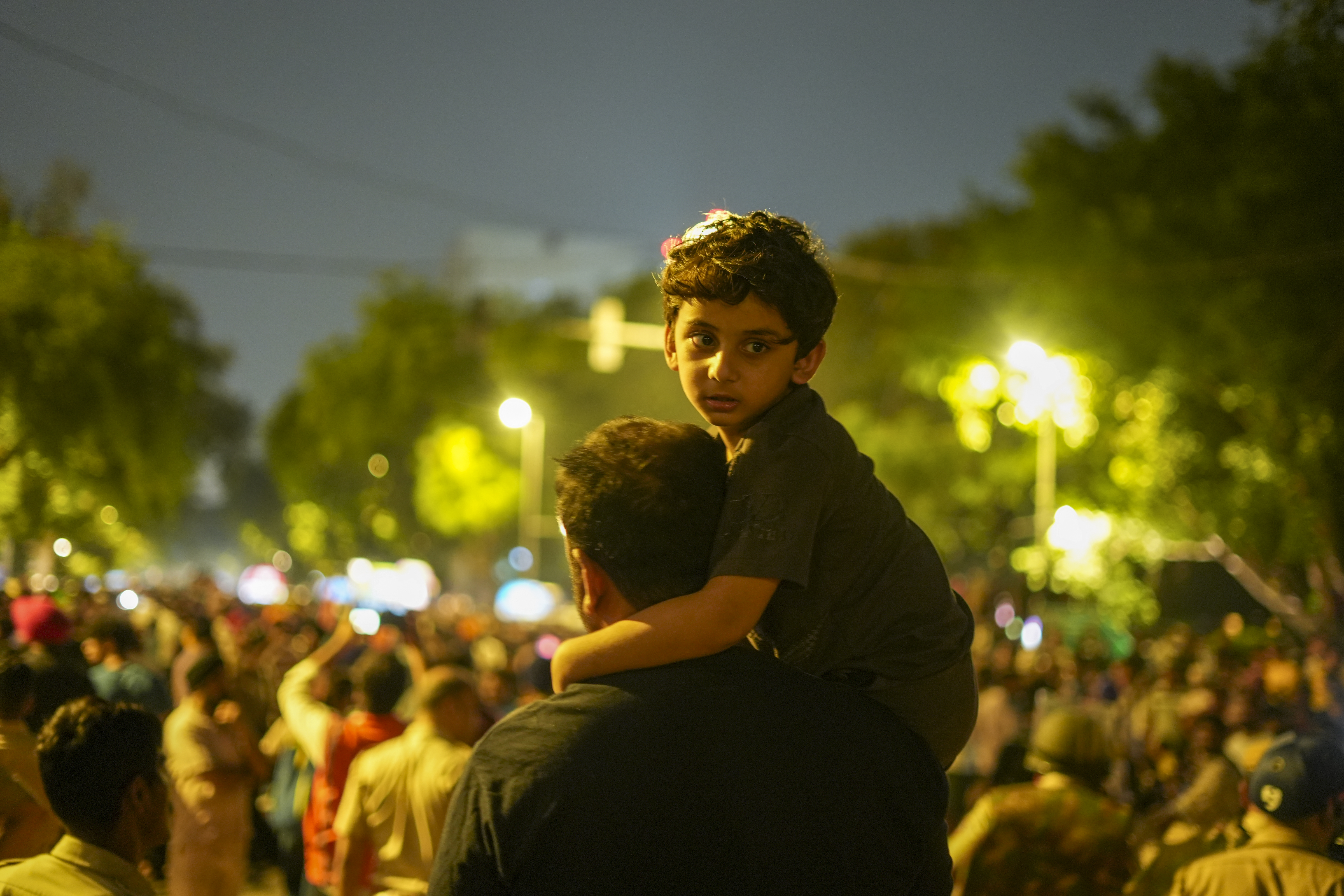
In the initial days of the movement, students, teachers, and those associated with the education sector were primarily involved. Later, participation from farmers' organisations, social activists, and civil society groups increased. Subsequently, the presence of opposition leaders also increased.
Opposition Leaders Rush To Jantar Mantar
Several leaders, including former Delhi Chief Minister Arvind Kejriwal, Samajwadi Party MP Dimple Yadav, Trinamool Congress MP Mahua Moitra, NCP (Sharad Pawar faction) MPs Supriya Sule, Kirti Azad, and Yogendra Yadav, reached Jantar Mantar and expressed support for the movement.
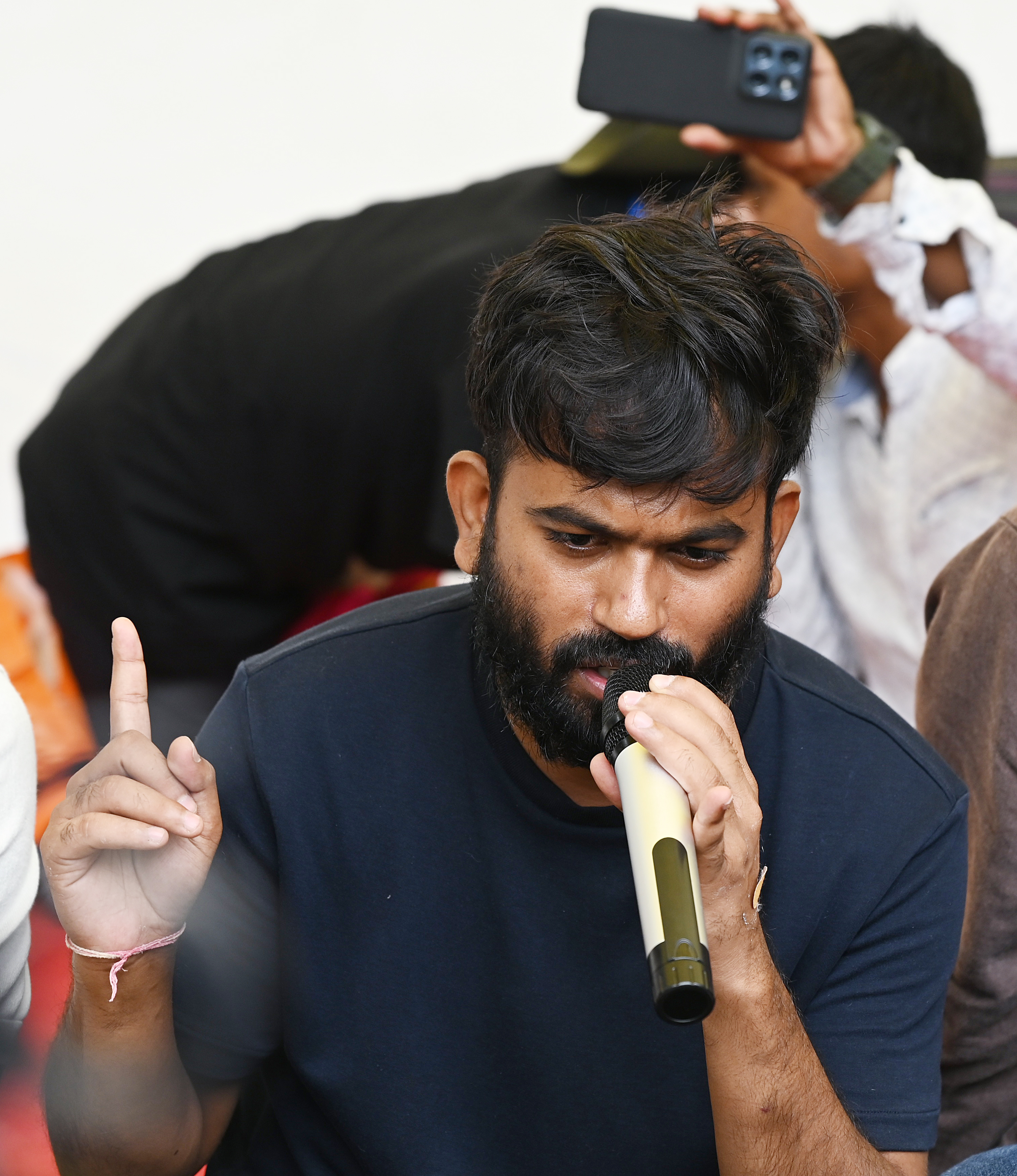
Actors Prakash Raj, Shabana Azmi, Swara Bhaskar, and stand-up comedian Kunal Kamra also attended. Most of these figures were seen at Shaheen Bagh during the anti-CAA protests and in the farmers' protest.
When Politics Entered
Amidst protests and hunger strikes, the student movement at Jantar Mantar wasn't limited to exam reforms. Criticism of the Central government, issues such as Kashmir, Article 370, and the release of Umar Khalid were also raised from the stage.
Kejriwal Uses CJP Protest To Target Government
Aam Aadmi Party national convenor Arvind Kejriwal launched a scathing attack on the Central government and Prime Minister Narendra Modi from the stage. He criticised the government, raising issues such as paper leaks, police action against students, and the Education Minister's accountability.
Social activist Yogendra Yadav said that the future of democracy in the country will no longer be decided by Parliament, but by the streets. It will not be decided by elections, but by resistance. And a glimpse of that was seen in Delhi on July 20.
Bollywood Backs Jantar Mantar Protest
Shabana Azmi said that she joined the movement in support of the constitutional right to peaceful protest. She appealed that the movement should remain focused on its core issues and avoid unnecessary controversies. Meanwhile, Swara Bhaskar alleged that the current government wants to curb civil rights and freedom of dissent.
Ideological Debate Intensifies As Protest Soars
During the movement, some speakers also expressed their views on Hindutva, religious leaders, education policy, and other ideological topics. Some speakers associated with the CJP commented on religious figures, while Kunal Kamra satirised the government. Following these statements, the movement's discourse appeared to expand beyond educational issues to political and ideological topics.
What Happened In 26 Days:
June 28: First day - Wangchuk began an indefinite hunger strike.
July 6–8:- Participation from civil society and education increased.
July 8: Syed Qasim Rasool Ilyas, father of Umar Khalid, arrived at Jantar Mantar, demanding his release.
July 11–15: Farmer organisations and social groups supported the movement.
July 16: Bharatiya Kisan Union leader Rakesh Tikait arrived. He expressed support for the movement, calling it an ideological struggle.
July 18: Wangchuk was taken to the hospital. A large number of supporters gathered there.
July 20: A 'Sansad Chalo' march was held, which turned violent. Several opposition leaders, including Arvind Kejriwal, Dimple Yadav, Mahua Moitra, Supriya Sule, Kirti Azad, and Yogendra Yadav, arrived at Jantar Mantar.
July 21: Bhim Army chief Chandrashekhar Azad arrived at the protest site and criticised the police action.
July 22: Shabana Azmi, Prakash Raj, Swara Bhaskar, and Kunal Kamra joined the protest. Their speeches also discussed freedom of expression, democratic rights, and the policies of the central government.
July 23: Union Ministers J.P. Nadda and Dr Jitendra Singh visited Sonam Wangchuk at Medanta Hospital. Following this, his 26-day fast ended.